Coral Bells Care (Heuchera parviflora var. puberula)

About Coral Bells

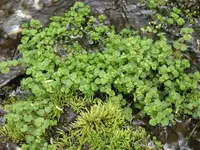
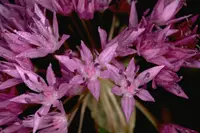
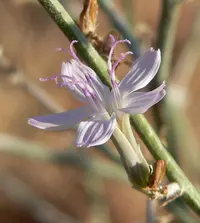
Coral bells (Heuchera parviflora var. puberula) is a compact, clump-forming perennial grown mainly for its foliage. It forms low mounds of rounded, often softly hairy leaves with airy stems of small bell-shaped flowers.

This species is native to rocky outcrops and open woodlands in parts of eastern North America, where it grows in shallow, well-drained soils. It is valued in gardens for its toughness, shade tolerance, and ability to handle variable conditions.

Plants adapt well to container use and mixed borders, which makes it relatively straightforward to care for Coral Bells in typical home gardens. It generally prefers partial shade, consistent but not waterlogged moisture, and well-drained, humus-rich soil.

Main Plant Requirements

Care Difficulty

Moderate Care

Light Preference

Partial Shade

Water Requirements

Moderate Water

Temperature Preference

Cold Hardy

Hardiness Zone

4–9

Soil Texture

Loamy, Sandy, Organic-rich

Soil pH

Acidic (5.5–6.5), Slightly acidic (6.5–7.0)

Soil Drainage

Moist but well-drained

Fertilization

Minimal (feed rarely)

Get Personalized Care Plan

Scan your plant to receive care tips personalized for your specific plant

Available on iOS and Android

How to Care for the Coral Bells

This shade-tolerant woodland perennial benefits from gentle, indirect light for best foliage color and vigor.

  • Provide dappled or filtered light with 2–4 hours of gentle morning sun; avoid strong afternoon sun, especially in warmer zones.
  • In cooler climates, it tolerates light open shade; in hotter regions, plant in bright shade to prevent leaf scorch and crispy edges.
  • Too much shade causes sparse growth and dull color; increase light gradually in spring while using mulch to protect shallow roots.

This plant prefers evenly moist, well-drained soil and reacts poorly to waterlogged conditions.

  • Water when the top 3–5 cm of soil feels dry, aiming for soil that is moist but not soggy during active growth in spring and early summer.
  • Use a loose, well-draining mix or amended garden soil so Heuchera parviflora var. puberula roots receive oxygen and excess water can drain quickly.
  • Reduce watering frequency in late fall and winter, watching for wilted, limp leaves as a sign of underwatering and yellowing, mushy crowns as overwatering.

This hardy perennial tolerates a broad temperature range when given stable soil moisture and partial shade.

  • Optimal growing temperatures are 60–75°F (16–24°C), with steady spring and fall conditions encouraging dense foliage and strong root development.
  • Mature plants tolerate winter lows near 0°F (−18°C) in the ground when mulched; protect young crowns from repeated freeze–thaw cycles.
  • In summer, provide shade and soil moisture during heat above 85°F (29°C) to prevent stress; prolonged extremes over 95°F (35°C) may cause leaf scorch.

This species handles a wide humidity range but performs best in moderately moist air.

  • Aim for 40–60% humidity, similar to most outdoor garden conditions in temperate climates.
  • It tolerates short periods of dry air, but prolonged very low humidity can cause leaf edges to crisp and flower stalks to dry prematurely.
  • If air is very dry, increase local humidity by mulching the soil surface and grouping Coral Bells with other plants rather than misting.

This plant prefers loose, well-aerated soil that stays evenly moist but never waterlogged.

  • Use a crumbly loam with plenty of organic matter, such as garden soil amended with 30–40% compost or leaf mold for structure and moisture retention.
  • Ensure fast drainage by mixing in 20–30% mineral material like perlite, pumice, or coarse sand, which helps prevent root rot.
  • Target a slightly acidic to neutral pH of about 6.0–7.0, avoiding highly alkaline or strongly acidic conditions that can limit nutrient uptake.
  • Avoid heavy, compacted clay or spots where water pools after rain; improve such sites with raised beds or generous incorporation of coarse material to increase aeration.

This species adapts well to container growing when drainage and root space are carefully managed.

  • Choose a pot wide enough for its spreading crown so foliage can drape without crowding the rim, which reduces heat and moisture stress on the root zone.
  • Select a relatively heavy or low, broad container to keep the plant stable against wind, since foliage and flower stalks can act like a sail.
  • Use a potting mix formulated for perennials and adjust with extra perlite so excess water drains within minutes after watering, preventing crown and root rot.

This native Coral Bells type needs only light feeding in average garden soils.

  • Apply a thin layer of compost around plants in early spring to support steady growth.
  • Optionally use a balanced slow-release fertilizer (around 10-10-10) at half label rate once in spring.
  • Avoid summer overfeeding, which can cause weak, lush foliage and reduce stress tolerance.
  • Do not feed in late fall or winter, when growth is naturally slow or dormant.

Heuchera parviflora var. puberula benefits from light, periodic pruning to stay compact and healthy.

  • Cut back spent flower stalks after blooming to encourage a tidier clump and potential rebloom.
  • Remove dead, damaged, or diseased leaves whenever noticed, using clean, sharp scissors or hand pruners.
  • In early spring, thin out old, crowded foliage to improve air flow and reduce fungal problems.
  • Gently tidy ragged leaves in late winter to reveal fresh new growth without cutting into live crowns.

This heuchera is usually grown in the ground, so care focuses on occasional transplanting or dividing clumps.

  • Transplant or divide in early spring or early fall, when temperatures are mild and soil is moist.
  • Look for crowded clumps, bare centers, or slow growth as signals that division or moving is helpful.
  • Lift the plant carefully, keep roots shaded and moist, and replant at the same depth in well-drained soil.
  • Water thoroughly after transplanting, then keep soil evenly moist for 1–2 weeks to limit root stress.

Heuchera parviflora var. puberula is most commonly propagated by division, with seeds used less often.

  • Divide mature clumps in early spring or early fall, when plants are actively rooting but not stressed by heat.
  • Lift the clump and separate sections, each with several shoots and healthy roots, using a clean knife if needed.
  • Replant divisions at original depth in moist, well-drained soil, spacing to allow airflow between plants.
  • For seed, sow on the surface of a sterile mix, keep lightly moist, and provide bright, indirect light for germination.

This species is generally cold hardy and needs only modest winter care in most temperate climates.

  • Tolerates typical winters in USDA zones where it is recommended, though foliage may scorch in severe cold.
  • Apply 3–5 cm of loose mulch after the ground cools to insulate the root zone without burying the crown.
  • Brush off heavy snow or ice gently if it mats foliage, to reduce breakage and rot risk.
  • In containers, move pots to a sheltered, unheated area to prevent root freeze–thaw damage.

Care Tips

Monitor crown depth

Set the crown at soil level and check each spring that frost heave has not lifted it; if roots are exposed, gently replant at the original depth and top up with 1–2 cm of gritty compost.

Encourage clump renewal

Every 3–4 years, lift and divide the clump in early spring, discarding woody centers and replanting only the firm, well-rooted outer sections to maintain vigor and dense foliage.

Use targeted mulching

Apply a thin, open-textured mulch around but not over the crown to keep roots cool, reduce weed pressure, and protect against freeze–thaw cycles without inviting crown rot.

Support on slopes

On banks or rocky edges, plant slightly tilted into the slope and use small stones or gravel downslope of the crown to stabilize the root zone and reduce erosion around the plant.

Tailor to microclimates

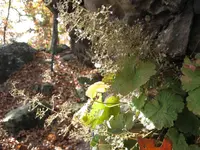
In hotter microclimates, position plants where they receive afternoon shade or benefit from nearby rocks that cast shade, which closely matches their natural cliff and rock outcrop habitats when growing Coral Bells.

Common Pests and Diseases

Vine weevil

This pest feeds on the foliage at night, leaving notched leaf edges, while the larvae chew on roots and crowns below soil level, causing wilting and decline.

Solution

Hand-pick adults at night, place corrugated cardboard or boards nearby as traps, and use beneficial nematodes targeted at vine weevil larvae in moist soil; in containers, discard heavily infested soil and replant into fresh mix, keeping the crown slightly raised to reduce damage.

Black vine weevil larvae

This pest forms the most damaging stage of the vine weevil life cycle, with grubs tunneling into the root system and crown, often leading to sudden collapse of plants in late spring or early summer.

Solution

Inspect around the crown for C-shaped white grubs and remove them by hand, then apply nematodes labeled for black vine weevil control to moist soil in spring or early fall, repeating as directed to break the life cycle and protect Heuchera parviflora var. puberula plant care efforts.

Leaf spots (fungal)

This disease causes small brown, tan, or purple lesions on leaves that may merge into larger patches, leading to thinning foliage and poor appearance in humid or crowded plantings.

Solution

Remove and discard affected leaves, improve air circulation by thinning surrounding plants, avoid wetting the foliage, and if conditions stay wet, apply a fungicide labeled for ornamental perennials according to directions, focusing on new growth during peak humidity periods.

Rust

This disease produces yellow spots on upper leaf surfaces and orange to brown spore pustules on the undersides, gradually weakening the plant if it recurs over several seasons.

Solution

Remove and discard infected leaves promptly, water at the base rather than overhead, increase spacing and airflow, and in persistent cases use a rust-labeled fungicide on new and emerging foliage during the main growth period.

Crown rot (soilborne)

Symptoms include a soft, dark, or mushy crown at soil level, stunted growth, and yellowing leaves, often triggered by poorly drained or compacted soils around the rosette-forming base.

Solution

Remove and discard severely affected plants, improve drainage by amending soil with grit or compost and raising planting areas, avoid burying the crown, and water only when the top few cm of soil are dry to prevent prolonged saturation around the base.

Interesting Facts

Appalachian cliff specialist

This variety is naturally confined to shaded limestone cliffs and rocky outcrops in the central and southern Appalachian Mountains, where it forms small colonies on ledges and crevices that many other perennials cannot occupy.

Distinctly small leaves

Compared with most other Heuchera, it has unusually small, rounded, shallowly lobed leaves that form tight, low cushions, an adaptation that helps reduce water loss and physical damage on exposed rock faces.

Hairy, sticky foliage

The epithet puberula refers to the fine hairs on its leaves and stems; these hairs can trap moisture films and debris, which may help buffer the plant from rapid drying on vertical rock substrates.

FAQs about Coral Bells

Brown leaf edges usually come from drought stress, excess sun, or salt buildup from fertilizer. Check soil moisture, provide some shade in hot sites, flush the soil occasionally, and remove dead foliage to reduce stress and disease risks.

Grow Healthy Plants with Botan Care

Keep your plants happy and healthy with plant identification, disease detection, and easy care guidance.

Botan plant care app — identify plants on mobile

Explore More Plants