Pinch Young Stems
Pinch out the soft stem tips when plants are 15–20 cm tall to encourage bushier growth, more flowering spikes, and stronger, less floppy stems when growing purple giant hyssop.

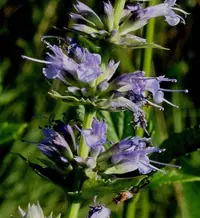
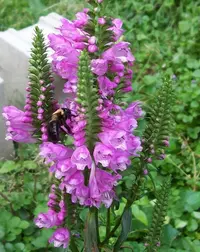
Purple giant hyssop, Agastache scrophulariifolia, is a tall, upright perennial in the mint family known for its fragrant foliage and long-lasting flower spikes. It typically forms clumps with square stems and dense, pale purple flower clusters that attract bees, butterflies, and other pollinators.
This species is native to eastern North America, where it grows in open woods, meadows, and along woodland edges. It prefers sun to light shade and moderately moist, well-drained soils, but it tolerates some drought once established.
Because it is hardy, long-lived, and fairly forgiving of soil types, it is considered easy to grow for most gardeners. Learning how to care for purple giant hyssop mainly involves providing enough light and avoiding waterlogged conditions.

Care Difficulty
Easy Care

Light Preference
Full Sun

Water Requirements
Low Water

Temperature Preference
Cold Hardy

Hardiness Zone
4–8

Soil Texture
Sandy, Loamy, Rocky

Soil pH
Acidic (5.5–6.5), Slightly acidic (6.5–7.0)

Soil Drainage
Well-drained

Fertilization
Minimal (feed rarely)
Scan your plant to receive care tips personalized for your specific plant
Available on iOS and Android
This sun-loving perennial performs best in open, bright conditions for strong growth and flowering.
This species prefers relatively dry conditions once established and is sensitive to waterlogged soil.
This hardy perennial tolerates a wide temperature range but grows best in moderate warmth.
Humidity is rarely critical for Agastache scrophulariifolia, which thrives in typical outdoor air.
Agastache scrophulariifolia prefers lean, well-drained mineral soils that never stay waterlogged.
This species can grow successfully in containers when drainage and stability are managed carefully.
Purple giant hyssop grows best in lean, well-drained soil and usually needs only modest feeding.
Agastache scrophulariifolia responds well to light, timed pruning that maintains vigor and flowering.
This species is more often transplanted in the garden than maintained long term in containers.
Agastache scrophulariifolia is commonly propagated by seed and division for garden use.
This is a cold-hardy perennial that usually needs minimal winter care in its suitable climate range.

Plant Health Check
Not sure what's wrong with your plant? Check your plant's health inside the app.
This species is one of the tallest North American Agastache, often forming loose stands that flower late in summer and into fall, providing nectar when many other native wildflowers have finished blooming.
Unlike many other hyssops that prefer dry, rocky sites, it naturally occurs in moist meadows, alluvial floodplains, and open woodland edges in the northeastern and mid-Atlantic United States.
Its pale purple flower spikes are particularly attractive to long-tongued bees, butterflies, and day-flying moths, making it an important nectar plant in late-season pollinator networks.

In several US states, this plant is considered uncommon or locally rare in the wild because of habitat loss and alteration of moist meadow and floodplain ecosystems, so garden plantings can quietly support regional conservation of its genetic diversity.
This species is highly attractive to pollinators. The nectar-rich flower spikes draw many native bees, honey bees, butterflies, and sometimes hummingbirds, especially in mid to late summer, making it useful in wildlife and pollinator gardens.
Keep your plants happy and healthy with plant identification, disease detection, and easy care guidance.