Staking in bogs
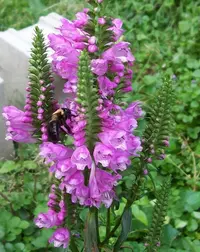
In wet, windy sites, insert slender bamboo or fiberglass stakes early in the season and loosely tie stems with soft garden ties to prevent lodging and keep flower spikes upright for pollinators.

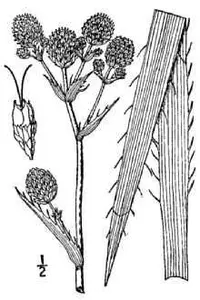
Rattlesnakemaster, Eryngium aquaticum, is a herbaceous perennial native to wet meadows, marsh edges, and coastal plains in eastern North America. It belongs to the carrot family but looks more like a small, wild thistle.
Plants form upright clumps with narrow, grasslike leaves and stiff stems topped by round, bristly flower heads that turn from greenish to bluish tones. This strong structure makes it useful in naturalistic gardens and for cut or dried arrangements.
Rattlesnakemaster prefers full sun, consistently moist soil, and low competition from taller plants, which shapes how to care for rattlesnakemaster in garden settings.

Care Difficulty
Moderate Care

Light Preference
Full Sun

Water Requirements
Aquatic

Temperature Preference
Cold Hardy

Hardiness Zone
5–9

Soil Texture
Loamy, Silty, Organic-rich

Soil pH
Acidic (5.5–6.5), Slightly acidic (6.5–7.0)

Soil Drainage
Waterlogged tolerant

Fertilization
Minimal (feed rarely)
Scan your plant to receive care tips personalized for your specific plant
Available on iOS and Android
Eryngium aquaticum prefers strong light to flower well and stay compact.
This moisture-loving perennial needs consistently damp conditions without prolonged stagnation.
This species is a cold-hardy wetland perennial that tolerates a wide outdoor temperature range.
This wetland perennial prefers high humidity but tolerates moderately drier air if soil moisture stays consistent.
This species grows best in consistently moist, boggy soil with high organic content and low to moderate drainage.
This moisture-loving perennial can be grown in containers if the setup maintains deep, consistently wet substrate.
This moisture-loving native, also called rattlesnakemaster, needs only modest feeding in typical garden soils.
Pruning Eryngium aquaticum is mainly about seasonal cleanup and maintaining strong flowering stems.
This species is usually grown in the ground, so care focuses on transplanting clumps rather than frequent repotting.
Propagation of Eryngium aquaticum is possible from seed or careful division, though plants dislike disturbance.
This cold-hardy perennial usually needs minimal winter care in most temperate climates.

Plant Health Check
Not sure what's wrong with your plant? Check your plant's health inside the app.
This species is native to eastern North America and is strongly tied to wet habitats, typically growing in wet meadows, marsh edges, boggy sites, and along streambanks where soils remain consistently moist to saturated.
Its pale blue to whitish flower heads produce abundant nectar and attract a wide range of pollinators, especially bees and small wasps, making it an important food resource in late summer wetland communities.
The plant has stiff, spiny-margined leaves typical of sea hollies, combined with a root system adapted to periodic flooding, which allows it to tolerate waterlogged soils that would damage many other perennials.

Botanists recognize several varieties within this species, and one of them, Eryngium aquaticum var. ravenelii, has become locally rare or threatened in parts of its natural range due to the loss and alteration of wetland habitats.
This species is highly attractive to many native bees, wasps, and some butterflies. Its nectar-rich, late-season flower heads provide important forage when other blooms decline, making it valuable for pollinator-friendly and ecological garden plantings.
Keep your plants happy and healthy with plant identification, disease detection, and easy care guidance.