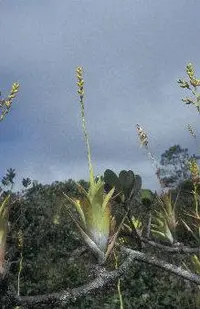
Controlled Water Depth
Use a perforated pond basket and set the plant so its crown sits 2–10 cm below the water surface, then adjust the basket height seasonally to keep that depth as water levels fluctuate.

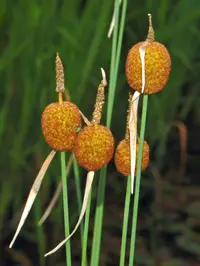
Dwarf bulrush (Typha minima) is a compact, clump-forming aquatic plant suited to ponds, water gardens, and naturalistic wetland edges. It is much smaller than common bulrushes, which makes it easier to fit into small spaces.
This species forms short, upright green stems with small, slender brown flower spikes that give a fine, tidy look. It naturally occurs along mountain rivers and lakeshores in Europe and western Asia, where water is cool and moving.
Typha minima tends to be resilient when given constant moisture and a sunny position, but it dislikes drying out or being shaded by taller plants. Understanding how to care for dwarf bulrush mainly involves providing stable, shallow water and low-competition conditions.

Care Difficulty
Moderate Care

Light Preference
Full Sun

Water Requirements
Aquatic

Temperature Preference
Cold Hardy

Hardiness Zone
4–9

Soil Texture
Sandy, Loamy, Silty

Soil pH
Slightly acidic (6.5–7.0), Neutral (7.0)

Soil Drainage
Waterlogged tolerant

Fertilization
Minimal (feed rarely)
Scan your plant to receive care tips personalized for your specific plant
Available on iOS and Android
This small wetland species prefers bright exposure but tolerates some shade in warm climates.
This marginal aquatic plant prefers constantly saturated conditions rather than cyclic drying.
This hardy aquatic species tolerates a wide temperature range with proper seasonal dormancy.
This species prefers constantly moist air near water but copes with a fairly wide humidity range.
This compact cattail needs permanently wet, heavy, organic-rich soil that mimics a shallow pond margin.
This species adapts well to container growing when given a stable, water-holding setup that mimics a mini pond.
Typha minima is a low-nutrient wetland species that needs only light feeding in containers or nutrient-poor ponds.
Pruning helps keep Typha minima compact, tidy, and safe from decaying material buildup in small ponds or containers.
Container-grown dwarf bulrush benefits from occasional dividing and transplanting to maintain vigor and prevent overcrowding.
Propagation of Typha minima is most reliable by division, with seed used mainly for larger restoration or breeding projects.
Typha minima is cold hardy in much of the US and usually needs only minimal winter care in outdoor ponds.

Plant Health Check
Not sure what's wrong with your plant? Check your plant's health inside the app.
This species is one of the smallest cattails, typically forming compact clumps with flower spikes only a few decimeters tall, unlike the much taller common cattail relatives.
Typha minima naturally grows along fast-flowing mountain rivers and gravel bars in parts of central and southern Europe, adapted to cold, nutrient-poor, and periodically flooded conditions.
In several European countries this species is considered rare or threatened because river regulation, dam building, and bank stabilization have reduced the dynamic gravel and sand habitats it depends on.

Fossil and historical records show that Typha minima once had a much wider distribution along European river systems, but its range has fragmented over time as natural river dynamics were altered, making existing populations important relicts of formerly extensive habitats.
This species spreads slowly to moderately by short rhizomes, forming small clumps or low colonies rather than large monocultures. In garden ponds or containers it is generally easy to contain with occasional division and removal of unwanted shoots.
Keep your plants happy and healthy with plant identification, disease detection, and easy care guidance.