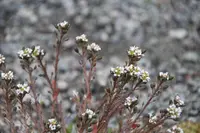
Arrow-leaved Marigold Care (Caltha sagittata)

Arrow-leaved Marigold

About Arrow-leaved Marigold

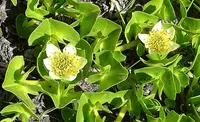
Arrow-leaved marigold, Caltha sagittata, is a small, moisture-loving perennial from the buttercup family. It forms low clumps with fleshy, arrow-shaped leaves and bright yellow, buttercup-like flowers.

In nature it grows in wet meadows, stream margins, and boggy ground in cool regions of South America. It prefers consistently moist to wet soil and cool, bright conditions, which is important when learning how to care for Arrow-leaved Marigold.

The plant is not difficult if its water and temperature needs are met, but it does poorly in hot, dry, or strongly shaded sites.

Main Plant Requirements

Care Difficulty

Moderate Care

Light Preference

Full Sun

Water Requirements

Aquatic

Temperature Preference

Cold Hardy

Hardiness Zone

6–9

Soil Texture

Loamy, Silty, Organic-rich

Soil pH

Acidic (5.5–6.5), Slightly acidic (6.5–7.0)

Soil Drainage

Waterlogged tolerant

Fertilization

Minimal (feed rarely)

Get Personalized Care Plan

Scan your plant to receive care tips personalized for your specific plant

Available on iOS and Android

How to Care for the Arrow-leaved Marigold

This cool-climate wetland perennial prefers bright conditions without harsh midday exposure.

  • Aim for 4–6 hours of morning sun with light shade or filtered light in the afternoon, especially in warmer regions.
  • Plants tolerate partial shade, but dense shade reduces flowering and produces thinner, weaker stems on Arrow-leaved Marigold.
  • In hot summers, protect from intense sun between 11 a.m. and 3 p.m. to prevent leaf scorch, especially if soil moisture ever drops.

This species is naturally adapted to saturated soils and shallow water along streams and bogs.

  • Keep soil constantly wet; the surface should never fully dry and can even stay lightly flooded by 2–5 cm in garden bog areas.
  • If grown at pond edges, watch for wilting or dull, drooping leaves as a sign water levels are too low for Caltha sagittata.
  • Avoid fast-draining, sandy sites; slow, organic-rich soil that holds moisture prevents stress and reduces leaf yellowing from drought.

This plant is a cold-tolerant wetland perennial that prefers cool to mild temperatures.

  • Optimal growth occurs around 50–68°F (10–20°C), typical of cool spring and early summer in temperate climates.
  • Mature plants tolerate light frosts down to about 23°F (-5°C), dying back aboveground but re-sprouting from crowns in spring.
  • Prolonged heat above 82°F (28°C), especially with low moisture, can cause leaf scorch and dormancy, so ensure saturated soil and some shade.

This marsh plant prefers high ambient humidity to mirror its native wet habitats.

  • Aim for 60–80% humidity, using a humidifier or placing the pot above a water tray so roots stay moist but not submerged constantly.
  • It tolerates only brief dry indoor air; prolonged humidity below 40% leads to crisp leaf edges and slowed growth.
  • Humidity stress shows as drooping foliage and browning margins even in wet soil; increase air moisture rather than overwatering.

This species thrives in permanently moist, organic-rich soil with slow drainage.

  • Use a heavy loam with 40–60% compost or leaf mold to retain water while still allowing some air around the roots.
  • For containers, mix garden loam, compost, and a small amount of sand to prevent complete stagnation while keeping the medium saturated.
  • Keep pH slightly acidic to neutral, around 6.0–7.0, which supports nutrient availability for Caltha sagittata.
  • Avoid dry, fast-draining, or rocky substrates, since these prevent stable moisture and quickly lead to wilted foliage.

This wetland species can be grown in containers if they are managed as semi-aquatic pots or water bowls.

  • Choose a wide, stable container so the spreading clump does not topple when soil is waterlogged and heavy.
  • Use a solid, non-porous pot material such as glazed ceramic to slow moisture loss and maintain constant saturation.
  • Stand the pot inside a larger outer tub or basin so water can cover the soil surface without spilling, mimicking shallow marsh conditions.

Caltha sagittata is a nutrient-modest wetland perennial that benefits from light feeding in poor soils only.

  • Use a balanced NPK fertilizer at 1/4–1/2 strength or a thin layer of well-rotted compost in early spring.
  • Feed once at the start of the growing season; a second light application in mid-season is enough in lean soils.
  • Avoid fertilizing in winter or dormancy to prevent weak, lush growth and root stress.
  • In rich, organic, or natural pond margins, skip fertilizer and rely on existing nutrients for caring for Arrow-leaved Marigold.

Caltha sagittata needs only light, functional pruning to stay healthy and tidy.

  • Best time for pruning is after flowering or in late summer, once growth slows.
  • Remove dead, yellowing, or damaged leaves at the base using clean, sharp scissors or hand pruners.
  • Thin out congested clumps by cutting back the oldest, weakest stems to improve airflow and reduce disease risk.
  • Trim spent flower stalks to channel energy into roots and vegetative growth rather than seed production.

This species is usually grown in the ground or pond margins, so focus on careful transplanting rather than frequent repotting.

  • Transplant in early spring or early autumn, when temperatures are mild and soil is moist.
  • Look for crowded clumps, reduced flowering, or slow growth as signs the plant benefits from lifting and replanting every 3–5 years.
  • Lift the clump with a spade, keeping as much root and surrounding soil as possible to limit shock.
  • Replant at the same depth in moist, organic soil, water thoroughly, and shade lightly for a few days to reduce stress.

Caltha sagittata is commonly propagated by division and, less often, by seed under controlled conditions.

  • Divide mature clumps in early spring or early autumn, when growth is slow and soil is cool and moist.
  • Gently separate sections with several buds and healthy roots, then replant immediately in wet, organic soil.
  • For seed, sow fresh seed in trays or pots outdoors and allow natural cold stratification over winter.
  • Keep propagules consistently moist, in bright but not scorching sun, to support steady establishment and rooting.

This cold-hardy perennial usually needs minimal winter care once established in the ground.

  • Tolerates typical frosts in temperate climates, with foliage often dying back naturally after hard freezes.
  • Apply a 3–5 cm layer of mulch around, but not on top of, crowns in colder areas to buffer soil temperature.
  • Leave dead foliage in very cold regions as an extra crown insulator, then remove in early spring to reduce disease.

Care Tips

Controlled Water Level

If grown in a container pond or tray, keep the crown just above water level and only submerge the pot to just below the rim to prevent rot while still allowing the roots to stay saturated.

Cool-Summer Placement

In warm regions, position plants where they receive bright light but are shaded during the hottest afternoon hours to mimic their native cool, high-altitude habitats and extend flowering.

Divide Mature Clumps

Every 3–4 years, lift and divide crowded clumps in late summer, replanting vigorous outer sections at the same depth to maintain strong flowering and prevent center dieback.

Secure In Wet Beds

When planting in soft, silty or boggy soil, firm the root zone carefully and use a temporary wire peg or small stone to stabilize the crown so new roots can anchor without the plant lifting or floating.

Monitor Water Quality

In small water features, change or top up with fresh, dechlorinated water regularly and remove decaying organic debris to reduce fungal problems and maintain healthy foliage when growing Arrow-leaved Marigold.

Common Pests and Diseases

Leaf spot fungi

This disease causes brown to black water-soaked spots on leaves, often with a yellowish halo along the veins and leaf margins. Symptoms include faster breakdown of older leaves in warm, wet conditions or in stagnant water.

Solution

Remove and discard heavily spotted leaves and thin crowded clumps to improve air movement and light. Avoid overhead splashing when possible, refresh water or substrate regularly, and if grown in a collection with other wetland species, separate affected plants and use a copper-based fungicide labeled for ornamental aquatics if the problem persists.

Rust

This disease produces orange to brown powdery pustules on the underside of leaves and sometimes on stems, leading to yellowing and premature leaf collapse. Symptoms include patchy, discolored foliage in dense or poorly ventilated stands in cool, moist weather.

Solution

Cut and remove infected leaves as soon as pustules are noticed and dispose of them away from ponds or ditches. Reduce overcrowding, improve airflow, avoid prolonged wetting of foliage, and in recurrent cases use a labeled systemic fungicide on non-aquatic plantings, keeping treatments away from open natural waterways.

Aphids

These insects feed on tender young leaves and flowering shoots, causing distortion, curling, and sticky honeydew that may attract sooty mold. This pest often colonizes plants growing at pond edges or in nutrient-rich, sheltered sites.

Solution

Rinse colonies off with a strong but controlled stream of water and pinch back heavily infested soft tips. Encourage natural predators such as lady beetles, or apply an insecticidal soap or neem oil spray, taking care to minimize drift into open water and repeating applications until populations collapse.

Slugs and snails

These pests chew irregular holes in leaves, often starting at the edges, and can strip young plants near saturated soil or shallow water. Symptoms include slime trails and shredded foliage, especially in shaded, cool, and very damp locations.

Solution

Hand-pick slugs and snails in the evening or early morning and reduce hiding spots such as dense debris near the clumps. Use iron phosphate bait placed on the margins of wet areas rather than directly in standing water, and consider simple barriers like copper tape or rough gravel around container-grown plants.

Interesting Facts

Andean peatland specialist

This species naturally grows in high Andean bogs, stream edges, and wet meadows, where it helps stabilize saturated soils and small peat-forming wetlands.

Arrow-shaped survival leaves

Its distinctive arrow-shaped leaves have thick, fleshy tissue that tolerates cold, wet, oxygen-poor soils typical of high-altitude waterlogged habitats.

Buttercup family relative

Although it looks different from many garden buttercups, this plant belongs to the Ranunculaceae family and shows the group’s typical traits such as bright yellow, petal-like sepals and numerous stamens.

Botan icon

Did you know?

In its native southern Andes, this species often forms low, dense mats along glacial streams and meltwater channels, creating microhabitats that shelter invertebrates and help moderate temperature and moisture at the soil surface.

FAQs about Arrow-leaved Marigold

This species can spread steadily by short rhizomes and self-seeding in consistently moist sites, forming clumps or patches over time. It is usually not aggressively invasive but can outcompete weaker plants in small boggy areas.

Grow Healthy Plants with Botan Care

Keep your plants happy and healthy with plant identification, disease detection, and easy care guidance.

Botan plant care app — identify plants on mobile

Explore More Plants