


Support heavy leaves
Use low, discreet plant stakes or small hoops to support large, blistered leaves so rhizomes are not pulled loose from the potting mix as the plant matures.

Rhizomatous Begonia such as Begonia 'Marmaduke' are foliage-focused houseplants grown for their bold leaves rather than their flowers. This cultivar forms a low, spreading mound from thick, creeping rhizomes at the soil surface.
Marmaduke is known for large, textured leaves with dramatic patterning and color, giving a strong visual impact in containers or shaded indoor displays. It does not occur in nature as a wild species but was developed in cultivation from tropical Begonia relatives.
This plant prefers bright, indirect light, evenly moist but not waterlogged soil, and good air movement around the foliage. With stable indoor conditions and moderate attention, it is considered manageable for growers learning how to care for Rhizomatous Begonia.

Care Difficulty
Moderate Care

Light Preference
Bright Indirect Light

Water Requirements
Moderate Water

Temperature Preference
Tropical / Frost Sensitive

Hardiness Zone
10–11

Soil Texture
Loamy, Peaty, Organic-rich

Soil pH
Acidic (5.5–6.5), Slightly acidic (6.5–7.0)

Soil Drainage
Moist but well-drained

Fertilization
Light (every 4–6 weeks)
Scan your plant to receive care tips personalized for your specific plant
Available on iOS and Android
Begonia 'Marmaduke' performs best in bright, indirect light with brief gentle sun.
Begonia 'Marmaduke' prefers evenly moist but never soggy soil.
This begonia grows best in stable, mild temperatures.
This rhizomatous begonia thrives in moderately high, stable humidity.
Begonia 'Marmaduke' prefers a light, porous, organic-rich mix that drains rapidly yet holds some moisture.
This cultivar is well suited to container growing due to its shallow, spreading rhizomes.
This rhizomatous hybrid benefits from light, consistent feeding during active growth.
Pruning helps maintain a compact, leafy shape and removes weak growth.
Begonia 'Marmaduke' prefers slightly snug pots but needs repotting when growth slows or roots circle the container.
This rhizomatous cultivar is most often propagated by division and stem or leaf cuttings.
This plant is frost-tender and must be kept above freezing in winter.

Plant Health Check
Not sure what's wrong with your plant? Check your plant's health inside the app.
This cultivar is selected for its naturally occurring yellow-green variegation with chocolate-brown spotting, caused by uneven chlorophyll distribution in the leaf tissue rather than by disease or nutrient deficiency.
The heavily blistered, puckered leaf surface is described as bullate and increases the leaf’s surface complexity, which can slightly alter how light is captured and how water films behave on the leaf.
It grows from thick, creeping rhizomes that store water and carbohydrates, allowing the plant to resprout after stress events such as temporary drought or accidental breakage of above-ground leaves.

This cultivar was introduced by plant breeder Patrick Worley and is considered a standout selection within the Rex-cultorum group for its unusually large, boldly patterned leaves that make it popular in competitive horticultural displays and specialty begonia collections.
Brown, crispy edges usually come from low humidity, fertilizer salts building up in the soil, or direct sun scorch. Increase humidity, flush the pot occasionally with plain water, and keep foliage out of harsh sun and cold drafts.
Keep your plants happy and healthy with plant identification, disease detection, and easy care guidance.

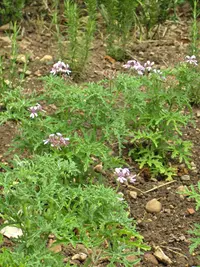
rasp-leaf pelargonium
Pelargonium radens
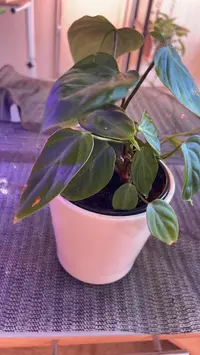
vilevine
Philodendron hederaceum var. hederaceum
 POPULAR
Mother of Thousands
Kalanchoe daigremontiana
Jumellea stenophylla
Jumellea stenophylla
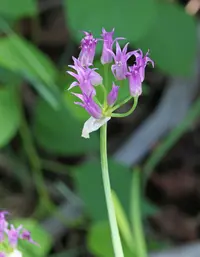
shortstyle onion
Allium brevistylum
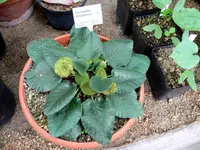
Dorstenia brasiliensis
Dorstenia brasiliensis
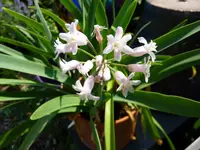
Sweet garlic
Tulbaghia simmleri
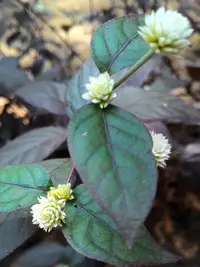
calicoplant
Alternanthera bettzickiana