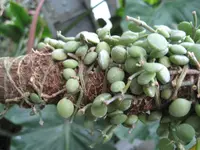
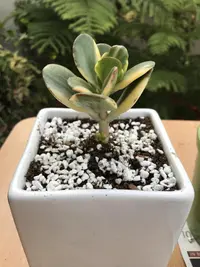
Tillandsia capillaris Care

Tillandsia capillaris

About Tillandsia capillaris

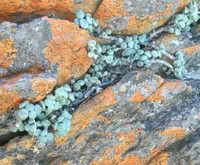
Tillandsia capillaris is a small air plant from the bromeliad family that grows without traditional soil, anchoring itself to branches, rocks, or other surfaces. It forms delicate, fine, threadlike leaves that create soft, tufted clumps.

This species is native to dry, highland areas of South America, where it experiences strong light, good air movement, and brief moisture from rain or mist. Its slow growth, drought tolerance, and minimal root system make it relatively easy to manage once you understand how to care for Tillandsia capillaris.

It generally prefers bright, indirect light, regular light misting or brief soaking, and quick drying between waterings to avoid rot.

Main Plant Requirements

Care Difficulty

Moderate Care

Light Preference

Bright Indirect Light

Water Requirements

Moderate Water

Temperature Preference

Tropical / Frost Sensitive

Hardiness Zone

10–12

Soil Texture

Sandy, Rocky, Organic-rich

Soil pH

Acidic (5.5–6.5)

Soil Drainage

Well-drained

Fertilization

Light (every 4–6 weeks)

Get Personalized Care Plan

Scan your plant to receive care tips personalized for your specific plant

Available on iOS and Android

How to Care for the Tillandsia capillaris

This small air plant prefers bright, indirect light with some gentle direct sun.

  • Provide 4–6 hours of bright, filtered light daily; early morning or late afternoon sun is ideal, while harsh midday sun should be softened by a sheer curtain or light shade.
  • Outdoors, place Tillandsia capillaris in dappled shade under open tree canopies or on shaded balconies where it gets broken light rather than full, overhead sun.
  • Leaves turning pale, crispy, or with brown tips indicate too much direct sun, while stretched, dull, or very slow growth points to insufficient light, especially in winter.

This air plant absorbs water through its leaves and needs thorough wetting followed by quick drying.

  • Mist or soak the plant until fully wet, then shake off excess water; ensure it dries within 2–3 hours to avoid rot in the leaf bases.
  • Increase misting frequency in hot, dry weather and reduce it in cool, humid conditions; slight leaf curling signals thirst, while soft, darkening bases suggest excess moisture.
  • Water in the morning so the plant dries by evening, and avoid trapping water in tight clumps or between plants, especially in cool seasons.

This species prefers mild conditions without extreme heat or cold.

  • Optimal growth occurs around 65–80°F (18–27°C), with stable, moderate temperatures supporting steady leaf development and good rootless anchoring.
  • Protect the plant from cold; it can briefly tolerate down to about 40°F (4°C) if dry, but sustained exposure below this range or frost can cause leaf damage and tissue collapse.
  • In hot periods above 90°F (32°C), increase air movement and humidity and reduce direct sun intensity to limit stress and prevent leaf desiccation.

This species depends on consistent moderate to high air humidity rather than soil moisture.

  • Aim for 50–70% humidity, using a bathroom, kitchen, or humidifier if indoor air is very dry.
  • Tolerates short spells of 30–40% humidity, but leaf tips may shrivel or curl inward when stress develops.
  • Increase humidity with grouped plants, daily fine misting, or placing near (not on) a shallow water tray.

Tillandsia capillaris is an epiphytic air plant and should not be grown in conventional potting soil.

  • Use no-soil mounts such as cork bark, driftwood, or open mesh, securing the plant so air flows freely around all sides.
  • If placing in a container, keep the base above a loose layer of large bark or lava rock that dries within 1 day.
  • Provide very high aeration with a structure that stays dry between waterings; trapped moisture around the base encourages rot.
  • Avoid peat-based mixes, compact media, or anything that stays damp, as this starves roots of oxygen and promotes fungal problems.

This species is suitable for open containers as a display support rather than as a rooted potted plant.

  • Choose shallow, wide containers that let the plant sit above the surface so air can circulate around the leaves and base.
  • Use heavy or weighted containers if displaying multiple clumps, to prevent tipping when foliage becomes larger or wet after misting.
  • Avoid glass containers with narrow necks, which trap humidity and slow drying, increasing the risk of rot around the plant base.

Light feeding supports healthy growth, but Tillandsia capillaris is sensitive to excess nutrients.

  • Use a low-dose, balanced epiphytic or orchid fertilizer (roughly 20-20-20) diluted to 1⁄4–1⁄8 strength in water.
  • Feed lightly every 3–4 weeks during the warm growing season after thorough misting or soaking.
  • Avoid fertilizers with urea-based nitrogen or heavy organic compost that can burn foliage.
  • Stop or reduce feeding to once in 6–8 weeks in winter when growth slows.

Pruning is minimal and mainly cosmetic for Tillandsia capillaris.

  • Best time for light pruning is late winter to early spring before active growth starts.
  • Trim only dead, brown, or damaged leaves and spent flower spikes with small, clean scissors.
  • Remove crowded or shriveled clumps to improve air circulation and overall plant shape.
  • Disinfect tools with alcohol between plants to limit spread of fungal or bacterial issues.

This species is epiphytic, so focus on remounting or rearranging clumps rather than classic repotting.

  • Remount when clumps outgrow their support, detach from the mount, or air circulation becomes poor.
  • Best season for transplanting is spring to early summer, when temperatures are stable and growth is active.
  • Typically remount every 2–3 years, or sooner if the mount decays or becomes crowded.
  • Hydrate plants before and after mounting, handle gently, and secure loosely to reduce stress and mechanical damage.

Propagation of Tillandsia capillaris is usually done by division of clumps.

  • Best period for division is spring to early summer, when plants are hydrated and actively growing.
  • Gently separate offsets (pups) once they reach about 1⁄3–1⁄2 the size of the parent plant.
  • Mount each division on a suitable support with good airflow and bright, filtered light.
  • Keep humidity moderately high and water lightly but frequently until roots and holdfasts develop.

This air plant is not frost hardy and needs thoughtful winter care in cold climates.

  • Move outdoor mounts indoors before temperatures drop below 40°F, especially in USDA zones colder than 9–10.
  • Provide bright, indirect light and good air movement to prevent rot in cool indoor conditions.
  • Reduce watering frequency in winter, allowing plants to dry fully within 3–4 hours after misting or soaking.

Care Tips

Use mesh cradles

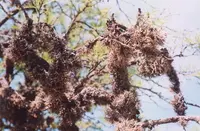
Mount plants in plastic mesh cradles or on open wire rather than solid wood so air can move freely around the entire clump and trapped moisture dries quickly after misting.

Rotate mounting spots

Shift mounts every few months between slightly brighter and slightly shadier locations to balance growth and avoid one-sided, weak development of the fine stems.

Seasonal airflow adjustment

Increase gentle air movement from a fan during cool, damp seasons or in bathrooms to reduce the risk of fungal spotting on the tiny leaves without over-drying them.

Targeted pest checks

Inspect the bases of the leaf clusters and inner tangle of stems with a magnifying glass every few weeks so any early mealybug or scale infestation can be removed with a cotton swab and alcohol before it spreads.

Controlled clump division

Divide overgrown clumps only when offsets are firmly attached and at least several cm long, then remount sections loosely so light and air can reach the inner shoots, which supports long-term success when growing Tillandsia capillaris.

Common Pests and Diseases

Scale insects

This pest feeds on the leaf surface and leaf bases, causing yellowing, stunting, and sticky honeydew that can lead to sooty mold on the fine foliage.

Solution

Remove affected plants from close contact with others, then gently scrub visible insects from the leaves and leaf bases with a soft brush or cotton swab dipped in diluted alcohol; improve air movement and light, and repeat inspections weekly until populations are gone as part of careful Tillandsia capillaris care instructions.

Mealybugs

These insects hide in the leaf axils and clumps, sucking sap and leaving behind white cottony masses and distorted, weakened growth.

Solution

Physically remove visible mealybugs with a cotton swab dipped in diluted alcohol, then rinse the plant thoroughly with lukewarm water, allow it to dry quickly with strong airflow, and isolate and recheck the plant regularly to catch any remaining insects early.

Mite infestations

This pest can occur in very dry, stagnant air, causing dull, rough-looking leaves, reduced vigor, and fine webbing deep inside dense clumps.

Solution

Increase humidity slightly while maintaining good airflow, rinse the plant thoroughly under a gentle stream of water, and if symptoms persist use a targeted miticide labeled safe for epiphytic bromeliads, applying lightly and allowing the plant to dry quickly afterward.

Fungal leaf spots

This disease develops in plants that stay wet for long periods with poor air circulation, producing small dark spots or patches that can coalesce and weaken the foliage.

Solution

Improve ventilation and reduce prolonged wetness by watering in the morning and shaking off excess water, remove heavily spotted leaves or sections, and if needed apply a light, bromeliad-safe fungicide spray and let the plant dry fully between waterings.

Bacterial soft rot

Symptoms include rapidly softening, water-soaked tissue at the plant base or inside dense clumps, often with a foul odor, especially after water has been trapped for long periods.

Solution

Immediately remove and discard all mushy or foul-smelling parts with sterilized tools, separate and keep only firm, healthy segments, then adjust care by watering more lightly, ensuring excellent airflow, and always allowing the plant to dry quickly after misting or soaking.

Interesting Facts

Naturally twig-dwelling

This species commonly grows on thin twigs and small branches in its native Andean habitats, forming loose, moss-like mats rather than the clumping shapes seen in many other air plants.

Fog and cloud specialist

In the wild it often occupies dry, high-altitude regions where it relies heavily on fog, mist, and brief humidity spikes rather than frequent rain, making it well adapted to intermittent moisture.

Tiny, tubular flowers

It produces very small, pale green to yellowish tubular flowers that are often partly hidden among the fine leaves, and these are typically pollinated by small insects adapted to cool, open habitats.

Botan icon

Did you know?

Some populations of this species develop distinctly different forms, from very fine, thread-like plants to slightly more robust types, and these morphological differences have led botanists to describe several varieties within Tillandsia capillaris that can be difficult to tell apart in the field.

FAQs about Tillandsia capillaris

Blooming often fails when light is too low, air circulation is poor, or nutrition is exhausted in older clumps. Provide brighter indirect light, regular air movement, and occasional low-dose epiphytic bromeliad fertilizer to support flowering.

Grow Healthy Plants with Botan Care

Keep your plants happy and healthy with plant identification, disease detection, and easy care guidance.

Botan plant care app — identify plants on mobile

Explore More Plants