Spotted Widow's Tears Care (Tinantia pringlei)

Spotted Widow's Tears

About Spotted Widow's Tears

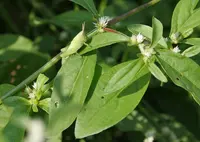
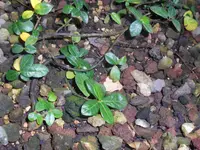
Spotted widow's tears (Tinantia pringlei) is a small, clumping perennial in the dayflower family, grown mainly for its patterned foliage. It typically forms low, spreading mats with lance-shaped leaves marked by purple spots on a soft green background.

In its native range in Mexico, it grows in cool, moist, partially shaded mountain habitats. In gardens and containers it is valued as an easy, fast-growing groundcover where temperatures are mild.

This plant adapts well to indoor and outdoor culture if given bright, indirect light, regular moisture, and well-drained soil. These traits make it straightforward for those learning how to care for Spotted Widow's Tears.

Main Plant Requirements

Care Difficulty

Easy Care

Light Preference

Partial Shade

Water Requirements

Moderate Water

Temperature Preference

Warm Climate

Hardiness Zone

7–10

Soil Texture

Loamy, Silty, Organic-rich

Soil pH

Acidic (5.5–6.5), Slightly acidic (6.5–7.0)

Soil Drainage

Moist but well-drained

Fertilization

Minimal (feed rarely)

Get Personalized Care Plan

Scan your plant to receive care tips personalized for your specific plant

Available on iOS and Android

How to Care for the Spotted Widow's Tears

This species prefers bright, gentle light that mimics dappled woodland conditions.

  • Provide 3–5 hours of morning sun with light shade or filtered light the rest of the day, especially in hotter regions.
  • Allow partial shade; Spotted Widow's Tears grows well under high tree canopies or on the shaded side of buildings.
  • Avoid strong midday and afternoon sun, which can scorch leaves, and note that very deep shade leads to leggy, sparse growth, especially in winter.

This plant prefers consistently moist but not waterlogged soil.

  • Water when the top 2–3 cm of soil feel dry, aiming for soil that is evenly moist to the touch below this depth.
  • Use soil with good drainage; soggy ground, standing water, or a sour smell indicate overwatering, while limp, curling leaves suggest underwatering.
  • Reduce watering in cool seasons when growth slows, and increase slightly in hot, dry weather while still allowing the surface to dry between waterings for healthy Tinantia pringlei roots.

This species performs best in mild, temperate conditions without extremes.

  • Aim for active growth in 60–80°F (16–27°C); growth may slow below 55°F (13°C) but usually resumes when temperatures rise again.
  • Protect from frost, since damage often occurs around 32°F (0°C); repeated freezes can kill top growth and in some cases the entire plant.
  • In hot summers above 85°F (29°C), combine partial shade with consistent soil moisture to prevent heat stress, leaf scorch, and premature decline.

This species prefers moderately humid air but adapts to many home conditions.

  • Aim for 40–60% humidity for steady growth of Spotted Widow's Tears.
  • Leaves curling, crisp tips, and slowed growth indicate air that is too dry.
  • Increase humidity with a nearby tray of water and pebbles, clustered plants, or a small humidifier rather than misting directly.

This plant grows best in loose, moist, well-drained soil with high organic content.

  • Use a loamy mix such as 2 parts peat- or coco-based potting mix, 1 part compost, and 1 part perlite or coarse sand for drainage.
  • Maintain slightly acidic to neutral pH around 6.0–7.0 to support nutrient uptake in Tinantia pringlei.
  • Ensure the mix holds moisture without becoming waterlogged; it should feel springy and crumbly, not sticky or compacted.
  • Avoid heavy clay, poorly drained, or constantly saturated substrates, and add extra perlite if the pot stays wet longer than 3–4 days.

This species is well suited to container growing for patios, balconies, or small gardens.

  • Choose a wide, shallow to medium-depth pot to accommodate its spreading habit and allow lateral root growth.
  • Select a slightly heavier container material, such as ceramic, to keep the plant stable as stems sprawl over the rim.
  • Elevate the pot on feet or a stand so drainage holes clear surfaces and excess water runs off quickly.

Tinantia pringlei grows well with light feeding during its active season.

  • Use a balanced liquid fertilizer (around 10-10-10) diluted to 1/2 strength for Spotted Widow's Tears in containers.
  • Apply every 4–6 weeks in spring and summer when growth is strongest.
  • Skip or greatly reduce feeding in fall and winter, especially for outdoor plants in the ground.
  • Compost or a mild slow-release fertilizer can be mixed into potting soil at the start of the season.

Tinantia pringlei benefits from light pruning to stay compact and tidy.

  • Best time is late winter to early spring before strong new growth begins.
  • Use clean, sharp scissors or hand pruners to remove dead, damaged, or leggy stems.
  • Shorten overly long shoots to encourage branching and a fuller mound of foliage.
  • Pinch off spent flower stems to maintain appearance and modestly extend blooming.

This species tolerates division and moving well when handled with moderate care.

  • Repot or transplant every 2–3 years, or when roots circle the pot, growth slows, or soil dries very fast.
  • Choose early spring for major moves, so roots can reestablish during the growing season.
  • Shift to a container 2–5 cm wider, using a free-draining mix and keeping the root ball at the same depth.
  • Water thoroughly after moving, then keep soil slightly moist and out of harsh sun for 7–10 days to reduce stress.

Tinantia pringlei is commonly propagated by division and soft stem cuttings.

  • Divide mature clumps in early spring, ensuring each section has healthy roots and several shoots.
  • Plant divisions into moist, free-draining soil and keep shaded until new growth resumes.
  • Take 8–10 cm stem cuttings in late spring or summer and root them in moist, sterile mix.
  • Maintain high humidity and gentle warmth around 68–75°F to encourage rapid rooting.

This plant is moderately cold tolerant but benefits from some winter protection in cooler climates.

  • In USDA zones around 7–8, top growth may die back after hard frost while roots often survive.
  • Apply a 5–8 cm layer of mulch over the root zone in late fall to buffer freeze–thaw cycles.
  • For container plants, move pots into a frost-free, bright, cool area before sustained freezing temperatures.

Care Tips

Controlled spreading

Use low edging or shallow buried barriers around beds to limit rhizome spread and make it easier to lift and divide clumps every 2–3 years for renewal.


Shading companion roots

Plant low, shallow‑rooted companions at the front of a border so this species can provide dappled shade that keeps neighboring root zones cooler and moister in summer.

Cooler microclimate

In hotter regions, position plants on the east or north side of taller shrubs, fences, or buildings to create a cooler microclimate and reduce heat stress on foliage.

Winter mulch strategy

Apply a 3–5 cm layer of loose, well‑drained mulch after the first frost to protect crowns in colder zones, then pull the mulch back slightly in early spring to prevent rot at the base.

Targeted pest checks

Inspect the undersides of leaves and lower stems every 1–2 weeks in warm, humid weather so sap‑sucking pests can be removed early with a strong water spray, which simplifies caring for Spotted Widow's Tears in mixed plantings.

Common Pests and Diseases

Spider mites

This pest often appears on Tinantia foliage during hot, dry periods, causing fine stippling and a dull, dusty look on the leaves. Symptoms include very fine webbing between stems and undersides of leaves.

Solution

Rinse plants thoroughly with a strong but gentle stream of water, focusing on leaf undersides, and repeat every few days for 1–2 weeks. Increase humidity around the plant, isolate heavily infested clumps, and use insecticidal soap or a horticultural oil spray labeled for mites if washing alone does not control them.

Aphids

These insects gather on soft shoot tips and flower stems, sucking sap and causing distortion, sticky honeydew, and sooty mold on the spotted leaves. Symptoms include curling new growth and clusters of small, pear‑shaped insects in green, black, or brown tones.

Solution

Pinch or rinse off infested shoot tips and wash the plant thoroughly with water to remove aphids and honeydew. For persistent colonies, apply insecticidal soap to all above‑ground parts in the evening or early morning and repeat at 5–7 day intervals until new growth emerges clean.

Leaf spot

This disease produces irregular brown or purplish lesions on the thin, mottled leaves, which can merge and cause premature yellowing and drop in dense clumps. Symptoms include spots that start small and water‑soaked, often increasing after long periods of leaf wetness or poor air movement.

Solution

Remove and discard affected leaves, thin crowded stems to improve airflow, and avoid overhead watering, especially late in the day. If the problem recurs, use a copper‑based or other broad‑spectrum fungicide labeled for ornamental leaf spots, following label directions and focusing on new growth and the plant base.

Powdery mildew

This disease shows as a white or gray powdery coating on the upper leaf surface, making the patterned foliage appear dull and faded. Symptoms include mild leaf distortion and reduced vigor in shaded, stagnant air conditions.

Solution

Increase light and airflow by spacing plants and trimming surrounding vegetation, and avoid frequent light misting on foliage. Remove heavily infected leaves and, if needed, apply a sulfur or potassium bicarbonate fungicide labeled for powdery mildew, treating both upper and lower leaf surfaces.

Interesting Facts

Spotted evergreen perennial

This species forms low, evergreen clumps with distinct purple-spotted leaves, staying leafy year-round in mild climates while many related dayflower species die back seasonally.

Cool-season flowerer

In many temperate gardens it flowers most heavily in cool weather, often from spring into early summer and again in fall, slowing or pausing bloom during the hottest part of summer.

Shade-tolerant groundcover

It naturally thrives in bright shade to dappled light and can form a loose, spreading groundcover under shrubs and trees, where many sun-loving ornamentals perform poorly.

FAQs about Spotted Widow's Tears

This species spreads moderately by short rhizomes and self-seeding, forming loose clumps rather than taking over whole beds. In favorable conditions, thin or divide every 1–2 years to control spread and maintain a tidy planting.

Grow Healthy Plants with Botan Care

Keep your plants happy and healthy with plant identification, disease detection, and easy care guidance.

Botan plant care app — identify plants on mobile

Explore More Plants