Wild Pansy Care (Viola tricolor)

Also known as: Johnny-jump-up, pansy violet, Heartsease, pansy, Three-colored Violet, love-in-idleness, European Wild Pansy, Miniature Pansy
Wild Pansy

About Wild Pansy

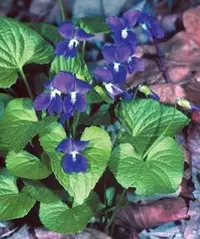
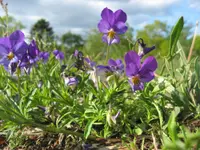
Wild pansy, also known as heartsease, is a small, short-lived perennial or annual from the violet family. It forms low, branching clumps with delicate, heart-shaped leaves. Viola tricolor produces small, tricolored flowers, often in shades of purple, yellow, and white, that appear over a long blooming season. Plants reseed easily and can naturalize in suitable conditions. In the wild it grows in meadows, open grassland, field margins, and disturbed ground across Europe and parts of Asia, and is now naturalized in North America. It is generally easy to grow, as long as it receives good light, cool to mild temperatures, and moist, well-drained soil. Understanding how to care for Wild Pansy helps keep plants compact, floriferous, and healthy.

Main Plant Requirements

Care Difficulty

Easy Care

Light Preference

Full Sun

Water Requirements

Moderate Water

Temperature Preference

Cool Climate

Hardiness Zone

3–9

Soil Texture

Loamy, Sandy, Organic-rich

Soil pH

Acidic (5.5–6.5), Slightly acidic (6.5–7.0)

Soil Drainage

Moist but well-drained

Fertilization

Light (every 4–6 weeks)

Get Personalized Care Plan

Scan your plant to receive care tips personalized for your specific plant

Available on iOS and Android

How to Care for the Wild Pansy

Viola tricolor prefers cool conditions with consistent light but is sensitive to harsh heat.

  • Provide 4–6 hours of sun, ideally morning sun with light afternoon shade, especially in warm climates.
  • Tolerates partial shade, and flower color often lasts longer in sites receiving filtered light or only early sun.
  • In hot summers, protect plants from strong midday sun to prevent wilting and leaf scorch; in winter, choose the brightest spot available for Wild Pansy.

Viola tricolor needs steady moisture in well-drained soil to flower well without root stress.

  • Water when the top 2–3 cm of soil feels dry, aiming for evenly moist but never waterlogged conditions.
  • Use soil rich in organic matter that drains freely; standing water or heavy clay increases risk of root rot and yellowing leaves.
  • In cool spring and fall, watering needs decrease; in hot, windy weather, monitor for limp foliage and dry soil as signs the plant needs water.

This species prefers cool, mild temperatures and declines in prolonged heat.

  • Optimal growth occurs around 45–65°F (7–18°C), which supports compact plants and continuous flowering.
  • Plants tolerate light frost down to about 25°F (-4°C) but may be damaged by harder freezes without snow cover.
  • Heat above 80°F (27°C), especially with dry soil, causes wilting and fewer blooms, so provide afternoon shade and consistent moisture in summer.

This species grows best in outdoor humidity but adapts well to typical garden air.

  • Aim for 40–60% humidity, which is common in most temperate outdoor conditions for Wild Pansy.
  • Plants tolerate short dry spells but in very arid, windy conditions may flower less and wilt faster.
  • Humidity stress appears as limp foliage and quicker soil drying; group containers or place near other plantings to slightly raise local humidity.

This species prefers loose, moist, well‑drained soil that supports steady, cool root conditions.

  • Use a loamy, organic‑rich soil with fine texture that holds moisture yet crumbles easily in the hand.
  • Ensure drainage by mixing roughly 60–70% garden soil or all‑purpose potting mix with 30–40% compost and a small portion of perlite or coarse sand.
  • Target a slightly acidic to neutral pH around 6.0–7.0, avoiding strongly alkaline or saline soils that limit nutrient uptake.
  • Prevent waterlogging by avoiding heavy, compacted clay; incorporate compost and coarse material to improve aeration and root oxygen access.

This species is well suited to container growing on patios, balconies, and entryways.

  • Choose a pot at least 15–20 cm wide and deep so roots spread outward, which supports more blooms per plant.
  • Select a slightly heavier material such as ceramic or clay to keep low, spreading growth stable in wind.
  • Raise the container on small feet or bricks so drainage holes stay clear and excess water exits quickly after rain or watering.

Viola tricolor benefits from light, consistent nutrition but is sensitive to excess salts.

  • Use a balanced, water-soluble fertilizer (such as 10-10-10) at 1/4–1/2 strength for container plants, or mix in fine compost for beds.
  • Feed every 2–4 weeks during the main growing and flowering season, especially in poor or soilless mixes.
  • Reduce or stop feeding in winter or during hot summer dormancy, when growth naturally slows.
  • For Wild Pansy in rich garden soil, limit feeding to a light compost top-dress once in spring to avoid lush, weak growth.

Pruning Viola tricolor focuses on deadheading and tidying to sustain flowering and compact growth.

  • Best timing is throughout the blooming season, with a light cleanup in late spring or early summer.
  • Remove spent flowers and seed pods to extend bloom and prevent excessive self-seeding.
  • Trim back leggy, tangled, or crowded stems by 1/3 to improve shape and encourage fresh growth.
  • Use small, clean scissors or snips, cutting just above a leaf node to avoid crushing the stems.

Wild Pansy is usually treated as a short-lived bedding plant, so transplanting is more common than long-term repotting.

  • Transplant in early spring or early fall, when temperatures are mild and plants are not stressed by heat.
  • Move seedlings or cell-pack plants when roots just fill the plug but are not yet tightly circling.
  • Space plants into loose, well-drained soil at the same depth as in the original container, firming gently around roots.
  • Water thoroughly right after transplanting and for 7–10 days afterward to limit transplant shock and support new root growth.

Viola tricolor is most often propagated from seed, which germinates well in cool conditions.

  • Sow fresh seed in late summer or early spring, indoors under lights or in a sheltered outdoor tray.
  • Use a fine, moist seed-starting mix and press seed lightly into the surface, barely covering it.
  • Maintain 55–65°F and even moisture; germination typically occurs within 1–3 weeks in low light or light shade.
  • Allow self-sown seedlings to establish, then thin or lift and replant them while small to create dense drifts.

Viola tricolor is cold tolerant and usually needs minimal winter care in most temperate climates.

  • In zones with mild winters, plants may overwinter as rosettes and resume flowering in early spring.
  • Apply a thin mulch layer around the root zone in late fall to moderate soil temperature and moisture.
  • For containers, move pots to a sheltered, unheated area to reduce freeze–thaw stress on roots and soil.

Care Tips

Extend Bloom Season

Shear back spent flower stems by about one-third after a heavy flush of bloom to stimulate new branching and extend flowering into cooler months.

Self-Seeding Management

If you want natural reseeding, allow some flowers to set and drop seed, but gently cultivate the soil surface in early spring to thin dense volunteer seedlings and prevent overcrowding.

Heat Stress Protection

In regions with hot summers, install a low shade cloth or place temporary lattice during the hottest weeks to reduce stress and help plants survive until cooler conditions return.

Targeted Pest Monitoring

Check the undersides of leaves weekly for aphids and small caterpillars, and wash them off with a strong but gentle stream of water before considering any insecticidal treatment.

Container Rotation Strategy

For container displays, rotate pots every 7–10 days and replace declining plants with fresh ones grown in a backup tray so beds and planters stay full and even when growing Wild Pansy.

Common Pests and Diseases

Aphids

This pest clusters on tender shoots, buds, and flower stems, sucking sap and causing curling, distortion, and sticky honeydew on leaves and blooms.

Solution

Remove heavily infested shoot tips, then wash plants with a strong but gentle stream of water, paying attention to the undersides of leaves; if needed, apply insecticidal soap or a neem oil spray every 5–7 days until new growth appears clean and natural predators such as lady beetles are active.

Powdery mildew

This disease causes a white to gray, powdery coating on upper leaf surfaces, stems, and sometimes flowers, often leading to yellowing and reduced vigor in dense plantings.

Solution

Thin crowded plants to improve air circulation, avoid wetting the foliage when watering, remove and discard the most affected leaves, and use a labeled fungicide such as sulfur or potassium bicarbonate at the first signs of infection to protect new growth and support successful Viola tricolor care.

Downy mildew

This disease produces yellow or pale patches on upper leaf surfaces and fuzzy gray-purple growth on the undersides, often leading to leaf drop in cool, damp conditions.

Solution

Increase spacing and airflow, water at soil level in the morning, promptly remove and dispose of infected leaves, and use an appropriate downy mildew fungicide on the remaining healthy foliage when weather stays cool and humid.

Leaf spot

Symptoms include small, dark brown to black spots on leaves that may enlarge, merge, and eventually cause tissue to dry and drop out, leaving ragged foliage.

Solution

Remove and discard spotted leaves and plant debris, avoid overhead watering, keep foliage dry as much as possible, and treat remaining plants with a broad-spectrum fungicide labeled for ornamental leaf spots if new lesions continue to appear.

Spider mites

These insects are tiny sap-suckers that cause fine stippling, bronzing, and dulling of leaves, often with delicate webbing between leaf edges and stems in hot, dry weather.

Solution

Rinse foliage thoroughly with water to knock mites off, increase humidity around the plants where possible, and use insecticidal soap or horticultural oil on both leaf surfaces every 5–7 days until no new stippling or webbing appears.

Interesting Facts

Tricolored flower genetics

Individual flowers typically show purple, yellow, and white patches because of differential pigment expression in the petals, which makes the color pattern genetically stable yet highly variable between plants.

Self-fertilizing strategy

The species produces showy, insect-pollinated flowers early in the season and later often forms cleistogamous flowers, which remain closed and self-pollinate, ensuring seed production even when pollinators are scarce.

Ruderal habitat specialist

This plant is well adapted to disturbed, nutrient-poor sites such as field margins, roadsides, and fallow land, and often behaves as a short-lived annual or biennial that completes its life cycle quickly under variable conditions.

Botan icon

Did you know?

The specific epithet tricolor refers to the characteristic three-colored blossom and the species has been cultivated since at least the Middle Ages in Europe, later serving as one of the main wild progenitors used in breeding modern garden pansies (Viola × wittrockiana).

FAQs about Wild Pansy

Poor flowering often results from heat, overcrowding, or spent flowers left on the plant. Remove faded blooms, avoid strong summer heat if possible, and refresh plants yearly from seed or seedlings for reliable flowering.

Grow Healthy Plants with Botan Care

Keep your plants happy and healthy with plant identification, disease detection, and easy care guidance.

Botan plant care app — identify plants on mobile

Explore More Plants