eastern baccharis Care (Baccharis halimifolia)

Also known as: Groundsel Bush, groundsel tree, bush groundsel, saltbush, sea myrtle, Salt Myrtle
eastern baccharis

About eastern baccharis

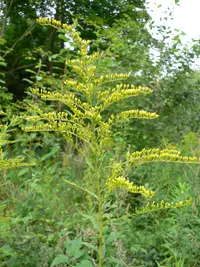
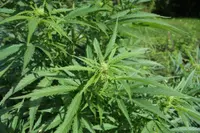
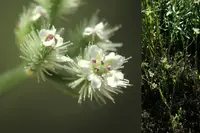
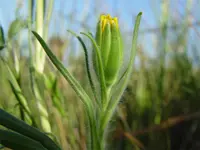
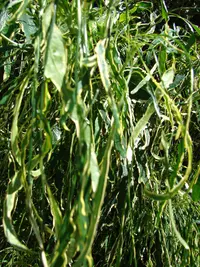
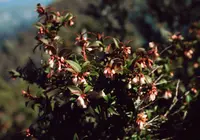
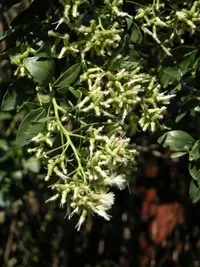
Eastern baccharis (Baccharis halimifolia) is a woody shrub native to coastal areas of the eastern and southern United States. It often grows in salt marsh edges, dunes, and disturbed sites. The plant forms dense, bushy clumps with many upright branches and small, leathery leaves that tolerate wind, salt spray, and brief flooding. In late summer to fall it produces fluffy white seed heads that give a soft, clouded look. Its toughness and tolerance of poor, salty soils make it easy to establish in challenging sites, though it can spread and become weedy in ideal conditions. Gardeners who want to care for eastern baccharis should provide full sun and moderately moist, well-drained soil.

Main Plant Requirements

Care Difficulty

Easy Care

Light Preference

Full Sun

Water Requirements

Moderate Water

Temperature Preference

Cold Hardy

Hardiness Zone

5–10

Soil Texture

Sandy, Loamy, Clay

Soil pH

Acidic (5.5–6.5), Slightly acidic (6.5–7.0)

Soil Drainage

Moist but well-drained

Fertilization

Minimal (feed rarely)

Get Personalized Care Plan

Scan your plant to receive care tips personalized for your specific plant

Available on iOS and Android

How to Care for the eastern baccharis

This coastal shrub thrives in full sun but adapts to bright, open conditions with some light shade.

  • Provide 6–8 hours of direct sun daily; morning sun with light afternoon shade is ideal in hot inland areas to limit leaf scorch.
  • Eastern baccharis tolerates light or dappled shade, but in less than 4–5 hours of sun it becomes looser, less compact, and may flower less.
  • In cooler coastal or northern sites, full sun all day is suitable; monitor new plantings in late spring and summer for wilting during heat spikes.

This species prefers drying periods between waterings once established, especially in well-drained sandy or loamy soils.

  • At planting, water deeply, then allow the top 5–8 cm of soil to dry before watering again; reduce frequency as roots establish over the first growing season.
  • For mature Baccharis halimifolia in the ground, rely mostly on rainfall, adding deep irrigation only after prolonged drought when foliage droops or lower leaves yellow from dryness.
  • Avoid poorly drained or compacted soils; persistent wetness, sour smell, or blackened roots indicate overwatering and raise the risk of root rot.

This hardy shrub tolerates a wide temperature range once established in the landscape.

  • Optimal growth occurs around 65–85°F (18–29°C), with vigorous shoot and flower production during warm, bright seasons.
  • Plants tolerate winter lows near 0–10°F (-18 to -12°C) in many regions, though brief dips slightly below this are possible if soil is well drained and roots are mature.
  • Heat tolerance is strong up to about 95–100°F (35–38°C) if soil moisture is not extreme; avoid sudden hard pruning just before severe freezes or peak summer heat waves.

This species is highly tolerant of a wide humidity range and rarely needs special humidity management.

  • Prefers outdoor ambient humidity around 30–60% but withstands drier air in most temperate climates.
  • Shows humidity stress mainly when combined with extreme heat and drought, seen as edge browning and leaf drop.
  • For eastern baccharis in very hot, arid sites, group plants and use mulch to reduce rapid moisture loss around the root zone.

This shrub adapts to many soils but performs best in moderately fertile, well-drained substrates.

  • Use a sandy or sandy-loam mix with some organic matter, such as 60–70% native mineral soil blended with 30–40% compost.
  • Ensure sharp drainage; add coarse sand or fine gravel if soil is heavy, since waterlogged conditions quickly damage roots.
  • A slightly acidic to neutral pH around 6.0–7.5 suits Baccharis halimifolia; avoid highly alkaline or saline soils.
  • On compacted sites, loosen the top 20–30 cm and mix in coarse material to improve aeration and prevent standing water.

This shrub can be grown in containers, although it is better suited to open ground long term.

  • Choose a deep, wide, heavy container so the tall, bushy top growth does not tip the pot in wind.
  • Select thick-walled clay or concrete pots to reduce overheating and moisture swings around the roots.
  • Raise the container on pot feet so drainage holes stay clear and excess water can exit rapidly after rain or irrigation.

This coastal shrub is adapted to low-nutrient soils and usually needs minimal feeding, especially when planted in the ground.

  • For landscape plants, apply a light layer of compost around the root zone once in spring, keeping it off the stems.
  • Container-grown eastern baccharis benefits from a balanced slow-release fertilizer (e.g., 10-10-10) in early spring.
  • Use about half the label rate for native shrubs to avoid soft, weak growth and excessive height.
  • Stop feeding by late summer; do not fertilize in winter dormancy.

Pruning Baccharis halimifolia is useful to keep the shrub dense, manageable, and healthy in landscape settings.

  • Best time is late winter to very early spring, before new growth begins.
  • Remove dead, diseased, storm-damaged, or crossing branches with clean, sharp bypass pruners or loppers.
  • Thin crowded stems at the base to improve air flow and light penetration into the canopy.
  • Shorten long, leggy shoots to shape the plant, which encourages bushier growth and more flowering wood.

This shrub is most often grown in the ground, so focus on careful transplanting rather than frequent repotting.

  • Transplant young plants in early spring or early fall, avoiding hot, dry weather for best establishment.
  • Choose a sunny site with well-drained soil; water thoroughly before and after moving the plant.
  • Look for slow growth and roots circling a nursery container as signs it has outgrown its pot.
  • Minimize root stress by keeping as much root ball intact as possible and mulching lightly after transplanting.

Baccharis halimifolia is commonly propagated from both seeds and semi-ripe cuttings in suitable conditions.

  • Collect seeds in fall, sow on the surface of a free-draining mix, and keep lightly moist with good light.
  • Take semi-ripe stem cuttings in late spring to midsummer, 8–10 cm long, from non-flowering shoots.
  • Remove lower leaves, dip the base in rooting hormone, and place cuttings in a moist, well-aerated medium.
  • Maintain warm temperatures around 68–75°F and high humidity until roots develop, then harden off gradually.

This species is generally cold hardy in much of its range and needs little winter care once established in the ground.

  • Mature shrubs tolerate light to moderate frost, but very young plants benefit from extra protection.
  • Apply a 5–8 cm layer of mulch around the root zone in late fall, keeping it away from the stems.
  • In colder zones or exposed sites, grow Baccharis halimifolia in large containers and move to a sheltered, unheated space.

Care Tips

Wind-firm training

In the first 2–3 years, selectively head back tall, whippy leaders by 10–20 cm after flowering to encourage a denser, wind-resistant framework that is less likely to split in storms.

Salt-spray acclimation

When planting near roads or coasts, gradually expose young shrubs to salt spray by placing them 1–2 m further from the source for the first year, then transplanting to the final, harsher position once the root system is well established.

Sucker management

Inspect the base of the plant and nearby soil twice a year and promptly cut any root suckers at or below soil level to prevent unwanted thickets and keep the shrub within its intended footprint.

Volunteer seedling control

After seed set, monitor surrounding beds and natural areas for seedlings and pull them when they are under 10 cm tall to avoid dense self-sown colonies, which can become invasive in favorable conditions.

Habitat value planning

Place plants where their dense structure can provide cover for wildlife but avoid right next to high-traffic paths, since birds and insects using the shrub heavily can increase maintenance needs when growing eastern baccharis.

Common Pests and Diseases

Woollybear caterpillars

This pest feeds heavily on foliage, sometimes stripping young shrubs or new growth in late summer and fall.

Solution

Hand-pick caterpillars where feasible and drop them into soapy water, and encourage natural predators such as birds by avoiding broad-spectrum insecticides nearby. For larger infestations on ornamental plantings, use a targeted Bacillus thuringiensis (Bt) product labeled for caterpillars, applied in the evening and repeated as directed if new larvae appear.

Moth larvae defoliation

These insects include several moth species whose larvae chew leaves and tender shoots, leading to sparse foliage and slowed growth.

Solution

Inspect plants regularly during the growing season and prune out localized infestations before larvae spread. Where damage is significant on landscape specimens, apply a selective Bt or spinosad product directed to the foliage, following label directions and timing treatments to young larvae for best effect.

Leaf spot

This disease causes small brown to dark lesions on leaves, which can merge and lead to partial defoliation in humid or crowded conditions.

Solution

Remove and discard heavily spotted leaves and fallen debris to reduce fungal spores, and improve airflow by thinning nearby vegetation or avoiding dense hedging. If leaf spot recurs and plants are grown as ornamentals, apply a preventative copper or chlorothalonil-based fungicide during warm, wet periods according to label instructions.

Stem canker

This disease produces sunken, discolored patches on stems and branches, which can girdle shoots and cause dieback above the affected area.

Solution

Prune out cankered stems several inches below visible symptoms, sterilizing pruning tools between cuts with 10% bleach or 70% alcohol, and dispose of infected material away from the planting site. Reduce stress by avoiding mechanical injury, preventing prolonged waterlogging, and maintaining an open, well-drained site, which together form the core of Baccharis halimifolia care.

Interesting Facts

Coastal salt specialist

This shrub naturally occurs on Atlantic and Gulf Coast salt marsh edges and barrier islands, where it tolerates saline spray and occasional brackish flooding better than many other woody plants.

Sexes on separate plants

It is dioecious, meaning individual shrubs bear either male or female flower heads, so seed production in the wild depends on the proximity of both sexes within a population.

Wind-dispersed seed clouds

The plant produces small, fluffy, white seed heads in late summer to fall; each achene carries a ring of fine hairs (pappus) that allows wind to disperse seeds over long distances, which helps explain how rapidly it can colonize disturbed coastal habitats and inland sites.

Botan icon

Did you know?

In parts of Europe and Australia this species has become a serious invasive shrub, forming dense thickets that outcompete native vegetation, so it is legally restricted or actively controlled in several regions despite being native and ecologically important along the North American coast.

FAQs about eastern baccharis

This shrub self-seeds readily and can spread beyond its original planting area, especially in moist, disturbed sites. Regular removal of unwanted seedlings and occasional thinning of mature plants helps keep populations contained and manageable in typical home landscapes.

Grow Healthy Plants with Botan Care

Keep your plants happy and healthy with plant identification, disease detection, and easy care guidance.

Botan plant care app — identify plants on mobile

Explore More Plants