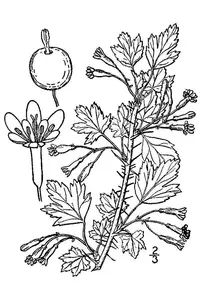
Cape honeysuckle Care (Tecomaria capensis)

Also known as: Cape Trumpet Flower
Cape honeysuckle

About Cape honeysuckle

Cape honeysuckle (Tecomaria capensis) is a fast-growing evergreen shrub or scrambling vine, often used as a hedge, screen, or trellis plant. It is native to southern Africa and adapts well to warm climates in many regions.

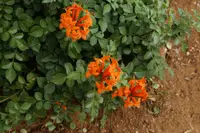
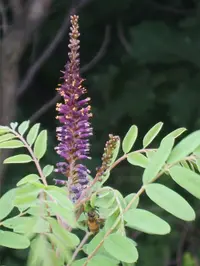
Plants produce clusters of tubular orange, red, or yellow flowers that attract hummingbirds and other pollinators. The foliage is glossy and divided, giving a dense, bushy look when regularly pruned.

This species tolerates pruning, variable light, and periodic dry spells, which generally makes it straightforward to care for Cape honeysuckle in suitable climates. It grows best in well-drained soil with regular moisture and plenty of sun.

Main Plant Requirements

Care Difficulty

Easy Care

Light Preference

Full Sun

Water Requirements

Moderate Water

Temperature Preference

Tropical / Frost Sensitive

Hardiness Zone

9–11

Soil Texture

Sandy, Loamy, Organic-rich

Soil pH

Slightly acidic (6.5–7.0), Neutral (7.0)

Soil Drainage

Well-drained

Fertilization

Light (every 4–6 weeks)

Get Personalized Care Plan

Scan your plant to receive care tips personalized for your specific plant

Available on iOS and Android

How to Care for the Cape honeysuckle

This sun-loving shrub flowers best with strong, direct light in most climates.

  • Provide 6–8 hours of direct sun daily; morning sun with light afternoon shade suits Cape honeysuckle in hotter regions.
  • In very hot inland areas, protect from harsh late-afternoon sun to reduce leaf scorch, especially on young plants.
  • In cooler or coastal climates, full sun all day promotes dense growth and flowering; in bright partial shade, expect fewer blooms.

This shrub prefers evenly moist, well-drained soil that dries slightly between waterings.

  • Allow the top 3–5 cm of soil to dry before deep watering, then soak the root zone rather than sprinkling lightly.
  • In the first growing season, monitor closely during hot, dry periods; wilted tips and dull leaves indicate the need for a thorough soak.
  • Reduce frequency in cool or rainy seasons; yellowing, soft leaves and persistent wet soil suggest overwatering and poor drainage.

This species thrives in warm, frost-free conditions but can survive short light freezes once established.

  • Optimal growth occurs around 65–85°F (18–29°C), with fastest shoot and flower production in the warmer part of this range.
  • Mature plants can tolerate brief drops to about 25–28°F (-4 to -2°C), often freezing back above ground but resprouting from the base.
  • In regions with hot summers above 95°F (35°C), flowering remains good if roots are mulched and the plant is not water-stressed.

This species tolerates a wide humidity range and usually does not need special humidity management outdoors.

  • Performs well at 30–60% humidity, which matches most outdoor conditions in temperate and warm climates.
  • Handles relatively dry air without stress as long as soil moisture is appropriate and roots are not allowed to dry out completely.
  • If grown as Cape honeysuckle indoors in very dry heated air, leaf tips may brown; grouping plants or using a small humidifier can reduce this.

Tecomaria capensis prefers well-structured, free-draining soil that does not stay waterlogged after rain or watering.

  • Use a loamy or sandy base enriched with 20–30% compost to provide moderate fertility without becoming heavy or sticky.
  • Ensure rapid drainage by incorporating coarse sand or fine gravel, especially in clay-based garden soils or compacted ground.
  • Aim for slightly acidic to neutral pH, around 6.0–7.0, which supports nutrient availability and root health.
  • Avoid dense, poorly drained soil or sites where water pools, as low oxygen around the roots encourages root rot and weak growth.

This species is suitable for container growing when the pot provides enough volume and stability for vigorous root and shoot growth.

  • Choose a heavy, wide container so the root mass and tall, arching stems do not tip the pot in wind or when wet.
  • Select a pot depth that allows a broad root system, often at least 30–40 cm deep for mature, shrub-sized specimens.
  • Use a container mix that drains quickly yet holds some moisture, and ensure excess water can exit freely via unobstructed drainage holes.

Tecomaria capensis responds well to moderate feeding during the main growing season.

  • Apply a balanced slow-release fertilizer (for example 10-10-10) in early spring for outdoor plants.
  • Use a half-strength balanced liquid feed every 4–6 weeks in containers during active growth.
  • Supplement with a thin layer of compost around the root zone to improve soil structure and nutrients.
  • Stop feeding in late summer or early fall so new growth hardens before winter.

Pruning Tecomaria capensis keeps the shrub flowering well and prevents it from becoming too woody or sprawling.

  • Carry out main shaping and size control in late winter or very early spring before strong new growth.
  • Remove dead, damaged, weak, or crossing stems first, cutting back to healthy wood with clean, sharp pruners.
  • Shorten long, tangled shoots to encourage branching and a denser, more compact form.
  • After each flush of flowers, light trimming of spent tips can stimulate further blooming.

Cape honeysuckle is more often grown in the ground, but container plants and young shrubs benefit from occasional transplanting.

  • Plan major transplanting or potting-on for late winter to early spring when growth is just restarting.
  • Move when roots circle the pot, drainage slows, or growth weakens despite good light and watering.
  • Shift to a container 1–2 in wider, using well-draining soil and keeping the root ball at the same depth.
  • Water thoroughly after moving, shade from strong sun for 3–5 days, and avoid heavy pruning at the same time to limit stress.

Tecomaria capensis is commonly propagated from semi-ripe cuttings and sometimes from seed.

  • Take semi-ripe stem cuttings in late spring to midsummer, 8–12 cm long, with several leaf nodes.
  • Remove lower leaves, dip the base in rooting hormone, and place in a sterile, free-draining mix kept slightly moist.
  • Maintain warm temperatures around 70–75°F and bright, indirect light to promote rooting.
  • Sow seeds in spring in a light seed mix, barely covered, kept evenly moist until germination.

Tecomaria capensis is tender to moderate frost and needs protection in colder regions.

  • In USDA zones 9–11, established plants usually survive with only light tip damage in cold snaps.
  • Apply 5–8 cm of organic mulch around the root zone in late fall, keeping it off the stems.
  • In zones colder than 9, grow in containers and overwinter indoors in a bright, cool, frost-free place.
  • If stems die back after a freeze, leave them until early spring, then cut back to live wood once new buds appear.

Care Tips

Support Long Canes

Install a sturdy trellis, fence, or wires early and gently tie new shoots horizontally, which encourages dense side-branching and more flower clusters along the stems.

Manage Root Spread

In small gardens or near structures, contain vigorous roots by planting in large, bottomless containers sunk into the ground or by using a root barrier to limit unwanted suckers.

Seasonal Hard-Reset

After severe frost damage or years of leggy growth, cut the plant back hard in late winter to 15–30 cm and apply a balanced, slow-release fertilizer to stimulate compact, fresh regrowth when growing Cape honeysuckle.

Bloom Renewal Pruning

Remove spent flower clusters and thin out a portion of the oldest woody stems at the base each year to maintain continuous flowering and reduce the risk of pest buildup inside dense thickets.

Wind And Salt Tolerance

In coastal or exposed sites, use windbreaks or plant on the leeward side of structures to reduce leaf scorch from salt-laden winds and prevent stems from snapping in strong gusts.

Common Pests and Diseases

Aphids

These insects cluster on soft new growth and flower buds, sucking sap and causing curling, distortion, and sticky honeydew that can lead to sooty mold. Infestations are most common on vigorous shoots and during warm, mild weather.

Solution

Spray stems and undersides of leaves with a strong stream of water to dislodge colonies, then use insecticidal soap or a ready-to-use neem oil product every 5–7 days until new growth appears clean. Encourage natural predators such as lady beetles by avoiding broad-spectrum insecticides and reducing excess nitrogen fertilizer that drives very soft, aphid-prone growth.

Spider mites

These pests are tiny and often go unnoticed until foliage looks stippled, dull, and dusty, sometimes with fine webbing on the undersides of leaves. Symptoms include yellowing and premature leaf drop, especially during hot, dry conditions or in sheltered spots with low air movement.

Solution

Rinse foliage thoroughly, especially leaf undersides, with water 2–3 times per week to reduce mite numbers and raise local humidity. For persistent issues, apply horticultural oil or insecticidal soap, rotating products every 7–10 days, and reduce heat stress by improving airflow and avoiding prolonged drought stress, which increases susceptibility.

Whiteflies

These insects hide on the undersides of leaves and fly up in a small cloud when the foliage is disturbed, feeding on sap and excreting honeydew that favors sooty mold. Heavy infestations weaken plants, reduce flowering, and cause leaf yellowing and drop.

Solution

Use yellow sticky traps near the plant to monitor and reduce adult populations, and regularly hose down foliage to remove nymphs from leaf undersides. Follow up with insecticidal soap or neem oil, applied thoroughly and repeatedly at 5–7 day intervals, and prune heavily infested shoots to interrupt their life cycle when caring for Cape honeysuckle.

Leaf spot

This disease produces small brown, tan, or black spots on leaves that may merge into larger patches, sometimes with yellow halos. Symptoms include gradual thinning of foliage, especially in dense, shaded parts of the shrub or during extended wet weather.

Solution

Prune to open the plant canopy and improve airflow, and avoid overhead watering that keeps leaves wet for long periods. Remove and discard fallen or badly spotted leaves, then apply a labeled ornamental shrub fungicide at the first sign of new spotting if wet conditions continue.

Sooty mold

This disease appears as a black, powdery or velvety coating on leaves and stems, growing on the sugary honeydew produced by sap-sucking insects such as aphids, whiteflies, or scale. Symptoms include reduced photosynthesis, dull foliage, and slower growth, though the fungus itself does not invade plant tissues.

Solution

First control the underlying insect pests using targeted methods such as insecticidal soap, horticultural oil, or strong water sprays. Once honeydew production is reduced, gently wash affected leaves with plain water and a soft cloth or sponge, prune heavily coated foliage if necessary, and maintain regular pest monitoring to prevent recurrence.

Interesting Facts

Fire-adapted regrowth

In its native range in southern Africa, this shrub can resprout vigorously from the base after fire or severe cutting, using stored energy in its woody rootstock to rebuild shoots quickly.

Nectar-rich bird magnet

The long, tubular orange flowers are specialized for bird pollination, especially by sunbirds, which can access the deep nectar with their curved beaks and in turn transfer pollen between plants.

Flexible growth form

Although often grown as a freestanding shrub, this species has long, arching stems with tendril-like side shoots that allow it to scramble over supports and behave almost like a climber when given structure to lean on.

Botan icon

Did you know?

In mild, frost-free climates this species can flower almost year-round, with overlapping flushes of blooms that provide one of the longest continuous nectar sources for birds and insects among common ornamental shrubs.

FAQs about Cape honeysuckle

This species can spread vigorously by long, arching stems and rooting where they touch soil, especially in mild climates. Regular pruning and removing unwanted shoots keep it contained and prevent it from overwhelming nearby shrubs or smaller perennials.

Grow Healthy Plants with Botan Care

Keep your plants happy and healthy with plant identification, disease detection, and easy care guidance.

Botan plant care app — identify plants on mobile

Explore More Plants