Riverbank placement
Plant along a swale, dry creek bed, or gentle slope where runoff occasionally collects, mimicking its natural streamside habitat while still providing good drainage.

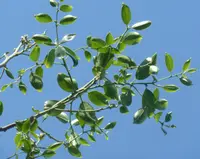
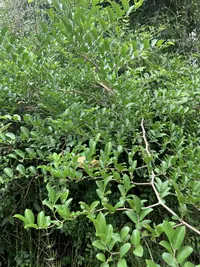
False buffalo thorn, Ziziphus rivularis, is a thorny, deciduous shrub or small tree native to riverbanks and rocky slopes in southern Africa. It forms a dense, branching habit with small glossy leaves and inconspicuous flowers, followed by rounded fruits that are often enjoyed by wildlife.
This species is adapted to sun and seasonal dryness, which makes it relatively resilient once established but slower to settle in new sites. Understanding how to care for False Buffalo Thorn starts with providing well-drained soil, good light, and moderate but consistent moisture during its main growing season.

Care Difficulty
Moderate Care

Light Preference
Full Sun

Water Requirements
Moderate Water

Temperature Preference
Warm Climate

Hardiness Zone
9–11

Soil Texture
Sandy, Loamy, Rocky

Soil pH
Slightly acidic (6.5–7.0), Neutral (7.0)

Soil Drainage
Well-drained

Fertilization
Minimal (feed rarely)
Scan your plant to receive care tips personalized for your specific plant
Available on iOS and Android
This riparian shrub prefers bright, open conditions with protection from extreme afternoon exposure.
This species is drought-tolerant once established but grows best with deep, infrequent watering.
This shrub prefers warm, temperate conditions and tolerates short periods of heat once established.
This species tolerates a wide humidity range and rarely needs special humidity management in typical home or outdoor conditions.
This shrub prefers free-draining, slightly coarse soil that stays aerated around the roots.
This species can be grown in containers when given a stable, deep pot that supports its woody root system.
This riparian shrub grows reasonably well in lean soils, but targeted feeding supports steady growth in cultivation.
Thoughtful pruning keeps Ziziphus rivularis open, healthy, and easier to manage along paths or water edges.
This species is usually grown in the ground, so focus on careful transplanting rather than frequent container repotting.
New plants are usually raised from seed, though hardwood cuttings are sometimes successful for Ziziphus rivularis plant care.
This shrub is moderately cold hardy, so established plants in the ground usually need minimal winter care in mild regions.

Plant Health Check
Not sure what's wrong with your plant? Check your plant's health inside the app.
This species is native to moist streambanks and forest margins in South Africa, where it often grows on rocky slopes close to running water rather than in the drier habitats typical for many other Ziziphus species.
Its short, hooked spines are modified stipules that help protect the shrub from browsing animals and also assist stems in scrambling through surrounding vegetation.
The plant bears small, fleshy drupes that are eaten by birds, which then disperse the seeds in their droppings and help maintain populations along watercourses.
This shrub produces small, nectar-rich flowers that attract various pollinating insects, especially bees and small native wasps. Butterflies may visit occasionally, but it is more reliable as a general pollinator-supporting shrub in mixed wildlife plantings.
Keep your plants happy and healthy with plant identification, disease detection, and easy care guidance.