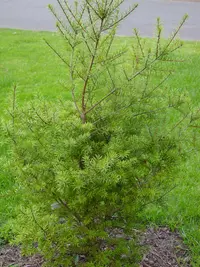
Breede River Yellowwood Care (Podocarpus elongatus)

Also known as: Red-Berried Yellowwood
Breede River Yellowwood

About Breede River Yellowwood

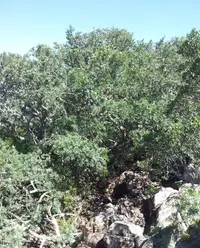
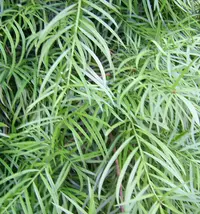
Breede River yellowwood (Podocarpus elongatus) is an evergreen coniferous tree or large shrub native to river valleys and rocky slopes of South Africa’s Western and Eastern Cape. It typically forms a dense, rounded crown with narrow, leathery blue‑green leaves and smooth gray bark, giving it a neat, architectural look in gardens and landscapes.

Growth is moderate, and the plant is long-lived, with separate male and female plants producing small cone-like structures and fleshy, bird-attracting seed structures. It adapts well to pruning, which can make it suitable for hedging or container training.

It generally prefers sun to light shade, well-drained soil, and consistent but not excessive moisture, which helps explain how to care for Breede River Yellowwood in most mild climates.


Main Plant Requirements

Care Difficulty

Moderate Care

Light Preference

Full Sun

Water Requirements

Moderate Water

Temperature Preference

Warm Climate

Hardiness Zone

9–11

Soil Texture

Sandy, Loamy, Rocky

Soil pH

Acidic (5.5–6.5), Slightly acidic (6.5–7.0)

Soil Drainage

Well-drained

Fertilization

Minimal (feed rarely)

Get Personalized Care Plan

Scan your plant to receive care tips personalized for your specific plant

Available on iOS and Android

How to Care for the Breede River Yellowwood

This species prefers bright exposure with some protection from harsh afternoon conditions.

  • Provide 4–6 hours of direct morning sun, then light shade or filtered light in the afternoon for balanced growth of Breede River Yellowwood foliage.
  • In hot inland areas, use dappled shade or east-facing exposure to prevent leaf scorch; coastal plants tolerate more midday sun if soil moisture is stable.
  • Watch for pale, stretched shoots as a sign of insufficient light, and browned, crispy leaf tips as a sign of too much direct, intense sun.

This conifer prefers evenly moist but not saturated soil once established outdoors.

  • Allow the top 3–5 cm of soil to dry before deep watering, ensuring excess water drains freely to protect Podocarpus elongatus roots from rot.
  • Increase watering during hot, dry spells, checking soil with a finger or moisture meter, and reduce frequency in cool or rainy seasons to avoid waterlogging.
  • Wilting or dull, folded needles often signal underwatering, while yellowing lower foliage and a sour soil smell suggest chronic overwatering.

This species thrives in mild, frost-free to light-frost climates with moderate seasonal variation.

  • Aim for 65–80°F (18–27°C) for active growth, as sustained temperatures in this range support steady shoot and root development.
  • Mature plants tolerate brief drops to about 25°F (−4°C), but repeated hard frosts can burn young growth, so protect small plants during cold snaps.
  • In hot regions, plants handle 90–100°F (32–38°C) if soil moisture is maintained and roots are mulched, but prolonged extreme heat can slow growth.

This species tolerates a wide humidity range and usually does not need special humidity management indoors or outdoors.

  • Maintain 30–60% humidity; it copes well with typical home and garden air without extra measures.
  • Dry air is usually tolerated, but prolonged hot, very dry conditions can cause slight browning at needle tips.
  • If air is extremely dry, especially for Breede River Yellowwood near heating vents, move it away from the heat source or group it with other plants.

Podocarpus elongatus prefers sharply drained, slightly acidic to neutral soil that does not stay waterlogged.

  • Use a sandy or loamy mix with clear structure, such as 50% composted bark, 30% coarse sand, 20% pumice or perlite, to keep pores open.
  • Aim for pH 5.5–7.0; in alkaline soils, blend in ericaceous compost or peat-free acidic material to avoid micronutrient lockout.
  • Improve drainage on heavy clay by raising the planting area, incorporating coarse grit, and avoiding compaction from foot traffic.
  • Avoid dense, peat-heavy mixes that hold water around the roots for long periods, which encourages root rot and weak growth.

This species is suitable for long-term container growing when root space and drainage are carefully managed.

  • Choose a deep, heavy container that resists tipping, since upright woody growth can become top-heavy in wind or on balconies.
  • Select a pot material with moderate moisture retention, such as thick-walled ceramic, to buffer the roots from rapid drying in hot weather.
  • Elevate the pot on feet or bricks so drainage holes stay clear, allowing fast runoff and preventing a perched water table at the base.

Podocarpus elongatus grows steadily with modest feeding rather than heavy fertilization.

  • Use a balanced slow-release fertilizer (around 10-10-10) or well-rotted compost mixed into the root zone in early spring.
  • Feed container plants every 6–8 weeks in the growing season with a half-strength balanced liquid fertilizer.
  • Reduce or stop feeding in fall and winter when growth slows, especially for Breede River Yellowwood kept indoors.
  • Always water before and after applying fertilizer to limit root burn and help nutrients move into the soil.

Podocarpus elongatus responds well to light, planned pruning to maintain structure and density.

  • Carry out main pruning in late winter or early spring before strong new growth begins.
  • First remove dead, diseased, or storm-damaged branches using clean, sharp bypass pruners or loppers.
  • Thin crossing or crowded branches to improve light and air flow inside the canopy.
  • Shorten young shoots selectively to shape hedges or screens while keeping a natural outline.

This species is usually grown in the ground but can be transplanted or repotted when rootbound or outgrowing its space.

  • Look for roots circling the pot, pushing through drainage holes, or noticeably slower growth as signals to move it up 1 pot size.
  • Aim to transplant or repot in early spring, when active growth helps the plant recover from root disturbance.
  • For containers, refresh into a free-draining mix every 2–3 years, gently loosening circling roots without tearing large ones.
  • Water deeply after moving, keep soil evenly moist for several weeks, and shade from harsh sun to reduce transplant shock.

New plants are most often produced from semi-hardwood cuttings, with seeds used less frequently for home growers.

  • Take semi-hardwood cuttings in late summer, 8–12 cm long, from healthy, non-flowering shoots.
  • Remove lower needles, dip the cut end in rooting hormone, and insert into a sterile, free-draining medium such as sand and peat.
  • Maintain bright, indirect light, high humidity, and a stable 68–75°F to encourage rooting over several weeks.
  • Sow fresh seed in a gritty mix, keep just moist, and expect slower, less uniform germination than cuttings.

This species is moderately cold hardy, so established outdoor plants in mild climates usually need only minimal winter attention.

  • Tolerates light frosts, but prolonged drops below about 20°F can damage young growth and container plants.
  • Apply a 5–8 cm layer of mulch around the root zone, keeping it off the trunk, to buffer soil temperature swings.
  • Move container plants to a sheltered spot or unheated bright space where temperatures stay above hard frost levels.

Care Tips

Root-flare inspection

When planting or checking established plants, gently remove excess mulch and soil from the trunk base so the top structural roots are just visible, which reduces trunk rot risk and improves long-term stability when growing Breede River Yellowwood.

Wind-shaping maintenance

In windy sites, selectively shorten overly long, wind-exposed branches by 10–20% in late winter to encourage a denser, more wind-resistant framework rather than waiting for storm damage to dictate the plant’s shape.

Irrigation footprint check

Once a year in warm weather, dig a few shallow test holes 15–20 cm deep just outside the canopy dripline after watering to confirm moisture is reaching the outer root zone, and then adjust emitter layout or hose placement so roots expand outward evenly.

Mulch edge management

Maintain a 5–8 cm mulch layer in a wide ring around the plant but keep a 5–10 cm mulch-free gap from the trunk to discourage fungal issues and bark decay at the base.

Salt and runoff control

In areas with salty irrigation water or roadside runoff, create a slight soil berm on the upslope side and occasionally deep-flush the root zone with fresh water to reduce salt buildup that can cause foliage tip-burn over time.

Common Pests and Diseases

Scale insects

This pest feeds on stems and leaves, causing yellowing, leaf drop, and sticky honeydew that can lead to sooty mold growth. Infestations often appear as small, immobile bumps on twigs and along the midrib of leaves.

Solution

Prune out heavily infested twigs, then wipe or gently scrub remaining scale with a cloth or soft brush dipped in soapy water or 70% isopropyl alcohol. For persistent problems, use a horticultural oil spray, ensuring thorough coverage of stems and leaf undersides while avoiding application during very high temperatures.

Mealybugs

These insects cluster in leaf axils and along young shoots, appearing as white cottony masses and causing stunted growth and leaf yellowing. Sticky honeydew may attract ants and promote sooty mold on foliage.

Solution

Isolate the plant, then dab visible mealybugs with cotton swabs dipped in 70% isopropyl alcohol and rinse foliage with a gentle water spray. For larger shrubs or hedges, apply insecticidal soap or light horticultural oil, repeating at 7–10 day intervals until no new insects appear.

Aphids

These insects colonize tender new growth, extracting sap and causing leaf curling, distortion, and reduced shoot growth. Honeydew deposits can encourage sooty mold on needles and nearby hard surfaces.

Solution

Spray infested shoots with a strong stream of water to dislodge aphids, then treat remaining colonies with insecticidal soap, ensuring good coverage of shoot tips and leaf undersides. Encouraging natural predators such as lady beetles and avoiding excessive nitrogen fertilization also helps reduce future outbreaks and supports balanced Podocarpus elongatus plant care.

Botryosphaeria canker

This disease causes sunken, dark cankers on stems and branches, leading to dieback of individual shoots or whole sections of the plant. Symptoms include browning needles and branch dieback that often starts on stressed or wounded plants.

Solution

Prune out affected branches 15–20 cm below visible symptoms, cutting back into healthy wood and disinfecting tools between cuts with 10% bleach or 70% alcohol. Reduce plant stress by providing consistent water, avoiding mechanical injury, and improving air circulation around the plant to limit new infections.

Phomopsis tip blight

This disease affects young shoots and needles, causing browning and dieback of the outer tips, which can give hedges and topiary forms a scorched appearance. Symptoms include small dark lesions at the base of affected needles or on tender stems.

Solution

Remove and discard blighted tips during dry weather, cutting several centimeters into healthy tissue, and keep mulch and irrigation water away from the lower foliage. Improve air flow, avoid overhead watering, and if the problem recurs, apply a suitable fungicide labeled for conifer tip blights at the start of new growth flushes according to label directions.

Interesting Facts

Riverbank specialist

This species naturally grows along rocky riverbanks and floodplains of South Africa’s Breede and other Western Cape rivers, where it is adapted to periodic flooding and fast-draining, stony soils.

Fire and flood survivor

Mature plants often develop multiple stems from a wide, flared base, an adaptation that helps them withstand flood damage and, in some localities, recover after fire by resprouting from the lower trunk.

Unusual leaf structure

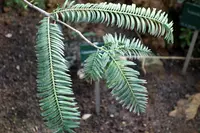
Unlike many conifers with needles or scales, it has flat, strap-shaped leaves with a distinct midrib, reflecting its membership in the podocarp family, an ancient Southern Hemisphere conifer lineage.

Botan icon

Did you know?

In its native range, this species has been used in riverbank restoration projects because its dense root system helps stabilize eroding banks while tolerating both seasonal inundation and periods of low water.

FAQs about Breede River Yellowwood

This species is evergreen and keeps its foliage year-round. Individual leaves live several years before being replaced, so the plant maintains a consistently full, green appearance rather than dropping leaves seasonally like many deciduous trees.

Grow Healthy Plants with Botan Care

Keep your plants happy and healthy with plant identification, disease detection, and easy care guidance.

Botan plant care app — identify plants on mobile

Explore More Plants