Establishing A Leader
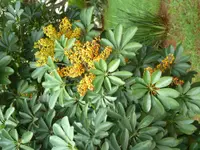
Select one strong, upright stem as the permanent leader in young plants and remove competing vertical shoots early, so the plant forms a stable, tree-like framework that resists snow and wind damage.

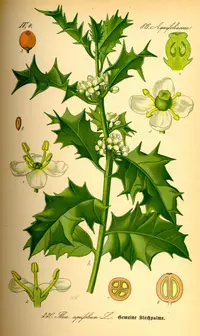
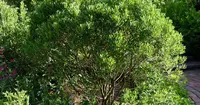
English holly, Ilex aquifolium, is an evergreen shrub or small tree known for its glossy, spiny leaves and bright red berries. It has a dense, branching growth habit and can be shaped as a hedge, specimen shrub, or small ornamental tree.
This species is native to Europe and parts of western Asia, where it grows in woodland edges and hedgerows. Its slow to moderate growth, tolerance of pruning, and long-lived foliage make it a durable landscape plant, though it can be invasive in some regions.
English holly prefers cool to mild climates, moist but well-drained soil, and light ranging from partial shade to sun. Understanding how to care for English holly starts with choosing an appropriate site and managing its size over time.

Care Difficulty
Moderate Care

Light Preference
Partial Shade

Water Requirements
Moderate Water

Temperature Preference
Cold Hardy

Hardiness Zone
6–9

Soil Texture
Sandy, Loamy, Clay

Soil pH
Acidic (5.5–6.5), Slightly acidic (6.5–7.0)

Soil Drainage
Moist but well-drained

Fertilization
Minimal (feed rarely)
Scan your plant to receive care tips personalized for your specific plant
Available on iOS and Android
This evergreen shrub grows best with bright light and some protection from harsh extremes.
This species prefers evenly moist, well-drained soil rather than very wet or very dry conditions.
This hardy shrub tolerates a wide temperature range but has clear preferences for steady, moderate conditions.
Humidity is a secondary factor for Ilex aquifolium, but very dry air can stress foliage.
Ilex aquifolium prefers evenly moist, structured soil that stays aerated and does not puddle.
This species can be grown in containers if the pot is large, stable, and drains very efficiently.
Ilex aquifolium benefits from modest, well-timed feeding, especially in nutrient-poor soils.
Pruning Ilex aquifolium helps maintain structure, encourage dense growth, and manage berry display.
English holly is usually grown in the ground, so focus on careful transplanting and only occasional repotting of container plants.
Multiplying Ilex aquifolium is most reliable from semi-ripe cuttings, with seeds used mainly for breeding or large-scale growing.
Ilex aquifolium is generally cold hardy, but young or potted plants benefit from simple winter care.

Plant Health Check
Not sure what's wrong with your plant? Check your plant's health inside the app.
The number and sharpness of leaf spines in this species change with age and browsing pressure, with young or heavily grazed plants often developing more strongly spined leaves than mature, unbrowsed foliage higher in the canopy.
This holly is dioecious, meaning male and female flowers grow on separate plants, so only female plants produce the familiar red berries after successful pollination.
It maintains evergreen foliage in deep woodland shade by having relatively low photosynthetic light requirements, allowing it to persist as an understorey tree where many other broadleaf evergreens cannot.

Pollen grains of this species have been identified in ancient peat and sediment cores across western Europe, providing evidence that it survived past climatic shifts in scattered refuges and later expanded its range as conditions became milder.
Yellowing leaves usually indicate stress from waterlogged soil, root damage, nutrient deficiency, or sudden environmental changes. Check drainage, avoid overwatering, apply a balanced slow‑release fertilizer, and inspect roots and foliage for pests such as scale or leaf miners.
Keep your plants happy and healthy with plant identification, disease detection, and easy care guidance.