Diospyros japonica Care

Diospyros japonica

About Diospyros japonica

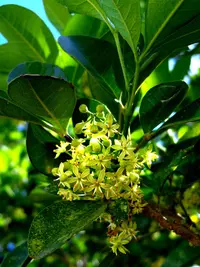
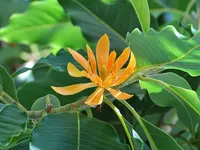
Diospyros japonica is a deciduous shrub or small tree in the ebony family, valued mainly for its glossy foliage and modest ornamental appeal. It usually has a rounded crown and produces small, inconspicuous flowers, sometimes followed by small persimmon-like fruits.

This species is native to East Asia, where it grows in woodland and hillside habitats. It tends to be slow to moderate in growth, which makes it relatively manageable in gardens.

Gardeners who care for Diospyros japonica should note its preference for sun to light shade, moderate moisture, and well-drained, slightly acidic soil, which together support steady, healthy growth.

Main Plant Requirements

Care Difficulty

Moderate Care

Light Preference

Full Sun

Water Requirements

Moderate Water

Temperature Preference

Cool Climate

Hardiness Zone

6–9

Soil Texture

Loamy, Sandy, Organic-rich

Soil pH

Acidic (5.5–6.5), Slightly acidic (6.5–7.0)

Soil Drainage

Moist but well-drained

Fertilization

Minimal (feed rarely)

Get Personalized Care Plan

Scan your plant to receive care tips personalized for your specific plant

Available on iOS and Android

How to Care for the Diospyros japonica

This deciduous fruit tree prefers bright outdoor conditions with protection from harsh extremes.

  • Provide 6–8 hours of sun daily, ideally with morning sun and light afternoon shade, especially in hotter regions.
  • Tolerates partial shade (around 4–5 hours of direct sun), but Diospyros japonica fruits and colors best in stronger light.
  • Avoid intense, unfiltered midday sun on young trees, which can scorch leaves; in winter, ensure the site still receives ample light above surrounding shade.

This species prefers steadily moist, well-drained soil rather than frequent soaking.

  • Water when the top 3–5 cm of soil feels dry, giving a deep soak so moisture reaches the root zone, then let excess drain away.
  • During active growth in spring and summer, monitor weekly; in cool or rainy periods, reduce watering to prevent soggy soil and root rot.
  • Signs of stress include limp, curling leaves and dry twig tips from underwatering, or yellowing leaves and dieback from persistent overwatering.

This hardy tree experiences distinct seasonal temperature changes and tolerates moderate cold.

  • Optimal growth occurs around 65–80°F (18–27°C) during the growing season, supporting steady shoot and fruit development.
  • Dormant trees can tolerate drops near 5–14°F (-15 to -10°C), but young plants benefit from shelter from severe wind and deep freezes.
  • In hot summers above 90°F (32°C), provide soil mulch and adequate moisture; sudden late frosts after budbreak can damage new shoots and flowers.

This species handles a range of humidity but grows best with moderate, stable air moisture.

  • Aim for 40–60% humidity, which most homes provide without special equipment.
  • Leaves may show browning tips or marginal scorch if air stays very dry for long periods.
  • Increase humidity slightly by grouping plants or placing a shallow water tray nearby, but avoid wetting foliage constantly.

This small persimmon prefers deep, well-structured mineral soil that holds moisture yet drains freely.

  • Use a loamy mix based on garden soil or a tree/shrub mix, enriched with 20–30% compost for organic matter.
  • Ensure strong drainage by adding 20–30% coarse sand or fine gravel; avoid heavy, sticky clay that remains wet.
  • Target a slightly acidic to neutral pH around 6.0–7.0 to support balanced nutrient uptake and root health.
  • Improve aeration by avoiding peat-heavy, very light potting mixes that collapse over time and restrict oxygen near the roots.

This species can be grown in containers when given enough root depth and stable support.

  • Choose a tall, heavy pot to provide deep rooting space and reduce tipping as the woody framework develops.
  • Select a container material that moderates moisture, such as thick-walled clay, to avoid rapid swings between wet and dry.
  • Maintain a free-draining base layer above the drainage holes so water exits quickly without leaving roots sitting in a saturated zone.

This deciduous tree benefits from light, balanced nutrition but will still grow in reasonably fertile soil without heavy feeding.

  • Apply a balanced slow-release fertilizer (around 10-10-10) in early spring at label rates for outdoor trees.
  • Supplement with a thin layer of well-rotted compost over the root zone once a year to improve soil structure.
  • During the main growing season, avoid additional high-nitrogen products to prevent weak, overly lush growth.
  • Stop feeding Diospyros japonica in late summer so new growth can harden before winter.

Pruning is useful to maintain structure and health while keeping this species at a manageable size.

  • Carry out main pruning in late winter or very early spring before bud break to reduce stress and bleeding.
  • Remove dead, diseased, crossing, or inward-growing branches first to improve airflow and light penetration.
  • Use clean, sharp bypass pruners or a pruning saw, making cuts just outside the branch collar.
  • Limit heavier thinning to older wood to refine shape without removing too much live canopy from Diospyros japonica.

This tree is usually grown in the ground, so attention focuses on correct transplanting rather than frequent repotting.

  • Plan transplanting for late winter to early spring while the tree is still dormant to reduce shock.
  • Look for signs such as roots circling the pot, water running off quickly, or slow, weak growth in containers.
  • Move to a hole or container only slightly larger than the current root mass, using well-drained, slightly acidic soil.
  • Water deeply after planting, mulch 5–8 cm around (not against) the trunk, and keep soil evenly moist while roots establish.

Propagation of this species is possible but slower and more technical than many common shrubs or houseplants.

  • Sow fresh seeds in autumn or early spring; many require cold stratification, a chilling period that breaks dormancy.
  • Use a deep tray with well-drained seed mix, keep slightly moist, and allow several months for uneven germination.
  • Semi-ripe cuttings in mid to late summer can root in warm, humid conditions under bright, indirect light with bottom heat.
  • Grafting onto compatible rootstocks is often used in nurseries for reliable growth and fruiting of Diospyros japonica.

This species is generally cold hardy in temperate climates and needs only modest winter attention once established.

  • Tolerates typical winter frosts in suitable USDA zones but young trees benefit from extra root insulation.
  • Apply 5–8 cm of organic mulch over the root zone in late fall, keeping it slightly away from the trunk.
  • In very cold or exposed sites, wrap young trunks with breathable tree guards to reduce bark injury.
  • Container plants in colder regions should be moved to a sheltered, unheated space to avoid root freezing.

Care Tips

Early form training

In the first 3–5 years, select 3–4 well-spaced scaffold branches and remove steep, crossing, or low branches in late winter to build a strong open framework that can support future fruit without splitting.


Fruit load thinning

When young fruits reach about marble size, thin clusters so that fruits are spaced 10–15 cm apart along the branch, which reduces limb breakage, improves fruit size, and helps the tree maintain regular yearly cropping.

Rootzone mulching

Maintain a 5–8 cm deep ring of organic mulch over the root zone, stopping 5–8 cm from the trunk, to stabilize soil moisture, keep roots cooler in summer, and suppress competing weeds without encouraging rot at the base.

Trunk and limb support

Use a wide, soft tie to secure young trunks to a sturdy stake on windy sites and consider temporary prop sticks under heavily loaded branches to prevent bending and bark tearing when crops are abundant.

Seasonal pest monitoring

Starting in early spring, inspect leaves, young shoots, and developing fruit weekly for scale, leaf spot, or borers and record observations in a simple logbook so that caring for Diospyros japonica includes timely, targeted treatments instead of reactive emergency sprays.

Common Pests and Diseases

Persimmon psyllid

This pest sucks sap from young leaves and shoots, causing curling, distortion, and sticky honeydew that can lead to sooty mold on Japanese persimmon foliage. This pest is most noticeable on tender new growth during the active growing season.

Solution

Prune and discard heavily infested young shoots, then hose down remaining foliage with a strong stream of water to remove nymphs. If needed, use an insecticidal soap or light horticultural oil, applied thoroughly to the undersides of leaves, and avoid excessive nitrogen fertilization that encourages soft, susceptible growth when growing Diospyros japonica.

Persimmon fruit moth

This pest lays eggs on developing fruit; larvae tunnel inside, causing internal feeding damage, premature fruit drop, and small entry holes or frass on the surface. Symptoms include distorted, rotting, or hollowed fruit that often falls before ripening.

Solution

Collect and destroy any infested or fallen fruit promptly to break the life cycle. In outdoor plantings, use fine mesh bags or fruit sleeves over young fruit, combined with pheromone traps or timed biological insecticides (such as Bacillus thuringiensis) when local extension services indicate moth activity.

Anthracnose

This disease causes irregular brown to black leaf spots, blighted young shoots, and in humid conditions may create larger dead patches along veins. Symptoms include premature leaf drop and reduced vigor, especially after cool, wet spring weather.

Solution

Remove and discard infected leaves and twigs from the tree and ground, then improve air circulation by thinning dense branches and avoiding overhead watering. In areas with a history of anthracnose, apply a labeled copper or chlorothalonil fungicide at bud break and repeat during extended wet periods, following local guidelines.

Leaf spot complex

This disease group produces small circular or angular spots that may be tan, red-brown, or purple with darker borders on persimmon leaves. Symptoms include scattered spotting, mild yellowing, and early leaf drop in late summer if infection is heavy.

Solution

Rake and dispose of fallen leaves at the end of the season to reduce overwintering spores and keep the canopy as dry as possible by watering at soil level. For recurrent problems, begin a preventive fungicide program with a broad-spectrum product labeled for ornamental persimmons in early spring and maintain good spacing and pruning for airflow.

Scale insects

These insects attach firmly to twigs and leaves as small bumps, sucking sap and weakening the tree while producing honeydew that can lead to sooty mold. Symptoms include yellowing leaves, reduced growth, and heavily encrusted stems on neglected plants.

Solution

Prune out and discard heavily infested branches, then scrub remaining scales gently with a soft brush or cloth on smaller plants. Apply horticultural oil during the dormant season or when crawlers (young mobile stages) are active, coating branches and leaf undersides thoroughly while avoiding spraying during high heat or drought stress.

Interesting Facts

Eastern Asian range

This species is native to East Asia, occurring naturally in parts of Japan, Korea, and China, where it typically grows in lowland to montane forests and forest margins.

Small but edible fruit

The tree produces small fleshy berries that resemble miniature persimmons; they are edible when fully ripe but far less commercially important than the fruits of its relative Diospyros kaki.

Timber and wood use

Its wood is dense and fine-grained, related to the ebony group, and has been locally used in East Asia for small tools, decorative objects, and sometimes as a rootstock for grafting other Diospyros species.

FAQs about Diospyros japonica

The fruit of this species is considered edible when fully ripe and soft, with a sweet, astringent flavor. Unripe fruit can be very astringent. Always confirm correct identification before tasting any wild- or garden-grown fruit.

Grow Healthy Plants with Botan Care

Keep your plants happy and healthy with plant identification, disease detection, and easy care guidance.

Botan plant care app — identify plants on mobile

Explore More Plants