Deep root training
During the first 2–3 years, water more heavily but less often so moisture penetrates 30–40 cm deep, which encourages a deep root system and improves drought resilience as the tree matures.

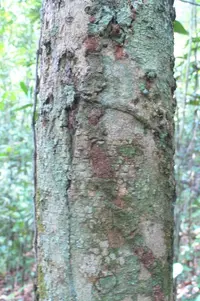
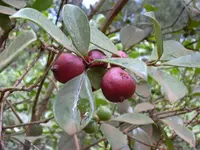
Pajurá, Couepia bracteosa, is a tropical fruit tree from the Amazon region, especially in Brazil. It forms a medium-sized tree with a dense, rounded crown and simple, glossy green leaves. Flowers are small and clustered, followed by oval fruits valued locally for their edible pulp.
In its native habitat, pajurá grows in warm, humid lowland forests with well-drained, fertile soils. The species prefers stable warmth and consistent moisture, which can make cultivation outside the tropics more challenging.
For gardeners, the main considerations are providing enough heat, humidity, and space for its tree-like growth. Understanding these natural conditions is central to how to care for pajurá in cultivation, particularly in non-native climates.

Care Difficulty
Moderate Care

Light Preference
Partial Sun

Water Requirements
Moderate Water

Temperature Preference
Tropical / Frost Sensitive

Hardiness Zone
Unknown

Soil Texture
Loamy, Sandy, Organic-rich

Soil pH
Acidic (5.5–6.5)

Soil Drainage
Moist but well-drained

Fertilization
Minimal (feed rarely)
Scan your plant to receive care tips personalized for your specific plant
Available on iOS and Android
Couepia bracteosa prefers bright, warm conditions that mimic an open, humid tropical habitat.
This species prefers steadily moist, well‑drained soil and reacts clearly to extremes of drought or saturation.
This tropical tree requires consistently warm conditions and does not tolerate frost.
This species benefits from moderately humid air, especially in warm conditions.
Couepia bracteosa prefers deep, slightly acidic, free-draining but moisture-retentive soil.
This species can be grown in containers when young, but requires careful attention to stability and root space.
This species grows in relatively low-fertility soils, so fertilizing pajurá should be light and targeted.
Pruning Couepia bracteosa is mainly done to maintain structure and remove problem wood rather than to control size.
This tree is usually planted in the ground, so transplanting young specimens at the right time is more important than frequent repotting.
Propagation of this species is most reliable from seeds, with vegetative methods less commonly used.
This tropical species is frost-sensitive and needs protection in cooler climates.

Plant Health Check
Not sure what's wrong with your plant? Check your plant's health inside the app.
This species is native to non-flooded terra firme forests of the central and western Amazon, where it grows as a medium to large canopy tree in well-drained soils rather than in swampy or seasonally flooded areas.
The fleshy fruits, often called pajurá in parts of Brazil, are locally eaten fresh and are notable for their oily, energy-dense pulp and seeds, which are sometimes used for small-scale oil extraction and animal feed.
Its fruits are consumed by various forest mammals, which helps disperse the large seeds across the forest floor and supports natural regeneration of the species in intact Amazonian habitats.
The large fruits are edible and locally valued. The creamy pulp is eaten fresh or used in drinks and desserts. Seeds are not typically eaten. Always source plant material from reliable suppliers to avoid misidentification with unsafe species.
Keep your plants happy and healthy with plant identification, disease detection, and easy care guidance.