skunkvine Care (Paederia foetida)

Also known as: stinkvine, Chinese fever vine
skunkvine

About skunkvine

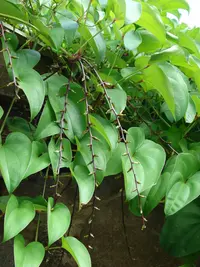
Skunkvine, Paederia foetida, is a fast-growing, twining vine known for its strong, unpleasant odor when leaves or stems are crushed. It is semi-woody and can climb or form dense groundcover.

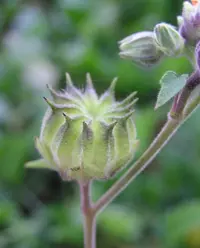
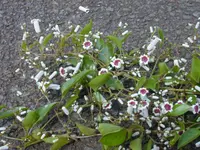
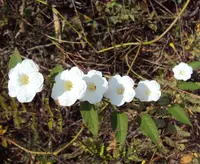
The plant has small opposite leaves and clusters of tubular, pale pink to lavender flowers, followed by small fruits. In mild climates it can grow vigorously and may become invasive.

Skunkvine is native to parts of Asia but is naturalized in many warm, humid regions, including the southeastern United States. It thrives in disturbed sites, forest edges, and along waterways.

Because of its vigorous growth and tolerance of varied soils and moisture, it is generally easy to grow, but gardeners must manage its spread. Understanding how to care for skunkvine includes planning for containment and regular pruning.

Main Plant Requirements

Care Difficulty

Moderate Care

Light Preference

Full Sun

Water Requirements

Moderate Water

Temperature Preference

Tropical / Frost Sensitive

Hardiness Zone

9–11

Soil Texture

Sandy, Loamy, Organic-rich

Soil pH

Acidic (5.5–6.5), Slightly acidic (6.5–7.0)

Soil Drainage

Moist but well-drained

Fertilization

Minimal (feed rarely)

Get Personalized Care Plan

Scan your plant to receive care tips personalized for your specific plant

Available on iOS and Android

How to Care for the skunkvine

Paederia foetida grows best with consistent bright outdoor light and some protection from harsh afternoon sun.

  • Provide 4–6 hours of direct morning sun, then bright shade or filtered light for the rest of the day to support dense growth in skunkvine.
  • Allow light partial shade, especially in hot climates; vines may grow longer but flower less with only 2–3 hours of direct sun.
  • Watch for leaf scorch, bleaching, or crispy edges as signs of excessive sun, and for stretched, pale shoots as signs of insufficient light; adjust exposure seasonally.

Paederia foetida prefers evenly moist, well-drained soil and reacts quickly to water extremes.

  • Water when the top 3–5 cm of soil feel dry, soaking the root zone deeply, then allow excess to drain away to avoid soggy conditions.
  • Reduce frequency in cool or rainy seasons and after pruning; increase only during hot, dry periods if the soil surface dries within 1–2 days.
  • Yellowing, soft leaves and a sour soil smell suggest overwatering, while dull, curling, or browning leaf edges indicate the vine is staying too dry.

This vine grows fastest in warm, frost-free conditions with moderate to high summer heat.

  • Aim for active growth in 70–90°F (21–32°C); growth slows noticeably below 60°F (16°C).
  • Avoid frost; foliage is typically damaged around 32°F (0°C) and stems may die back below 28°F (-2°C), though roots can resprout in mild regions.
  • In hot areas, plants tolerate short spikes to 95–100°F (35–38°C) if soil moisture is maintained and roots are mulched to limit heat stress.

This vine tolerates a wide humidity range but grows best with slightly moist air.

  • Aim for 50–70% humidity, similar to a mild, humid summer climate.
  • It handles brief dry indoor air but prolonged humidity below 40% can slow growth and crisp leaf edges.
  • If air is very dry, group plants, place the pot on a pebble tray with water below the base, or use a small humidifier near skunkvine.

Paederia foetida prefers loose, well-drained, moderately fertile soil that does not stay saturated.

  • Use a loamy mix built from roughly 2 parts all-purpose potting mix, 1 part compost, and 1 part perlite or coarse sand for structure.
  • Ensure the soil feels crumbly, not sticky, so roots receive enough oxygen and excess water drains within a few minutes after watering.
  • Target a slightly acidic to neutral pH around 6.0–7.0, avoiding very alkaline ground that can limit nutrient availability.
  • Avoid compacted clay, waterlogged spots, or heavy peat-only mixes; amend such soils with coarse sand, fine bark, and compost to improve drainage and aeration.

This species adapts well to container growing when given enough space and support.

  • Choose a wide, heavy pot to counterbalance vigorous climbing growth and prevent tipping in wind or when the vine is trained upward.
  • Provide a sturdy trellis or support fixed firmly into the container so the vine’s weight does not loosen the root zone.
  • Select slightly porous materials such as unglazed clay if overwatering is a risk, as they allow faster moisture loss and reduce chances of root problems.

Paederia foetida grows vigorously and benefits from light, controlled feeding in containers or poor soils.

  • Use a balanced liquid or water-soluble fertilizer (e.g., 10-10-10) at 1/2 strength every 4–6 weeks during spring–summer.
  • In the ground, incorporate compost or a slow-release granular fertilizer once in early spring if growth is weak.
  • Skip feeding in winter or dormancy, especially in cooler regions, to avoid soft, frost-prone growth.
  • Always water before and after applying fertilizer to limit root burn and improve nutrient uptake.

Pruning Paederia foetida manages its vigorous growth and keeps the vine controlled and healthy.

  • Carry out main structural pruning in late winter or early spring before strong new growth starts.
  • Remove dead, damaged, or crossing stems with clean, sharp hand pruners to reduce disease risk.
  • Shorten overly long runners to maintain desired size and encourage branching and denser foliage.
  • Thin crowded stems around supports or fences so light and air reach the inner parts of the vine.

Transplanting or repotting this vigorous vine controls spread and maintains root health, especially in containers.

  • Repot container plants every 2–3 years when roots circle the pot, drainage slows, or growth declines.
  • Schedule repotting or outdoor transplanting for spring, once frost risk has passed and soil warms.
  • Choose a container 2–5 cm wider with free-draining mix, and loosen circling roots gently before setting in.
  • Water thoroughly after moving Paederia foetida, then keep evenly moist and shaded for 3–5 days to reduce stress.

Paederia foetida plant care often includes propagation, as the vine roots and spreads readily under suitable conditions.

  • Take 10–15 cm semi-ripe stem cuttings in late spring–summer, remove lower leaves, and root in moist, well-drained mix.
  • Use simple layering by pegging a flexible stem to the soil; once rooted, sever and replant the new section.
  • Sow fresh seeds in spring in warm (70–75°F), lightly covered trays and keep evenly moist until germination.
  • Provide bright, indirect light, high humidity, and good air movement to limit rot during rooting.

Paederia foetida is frost-sensitive and benefits from basic winter protection in cooler climates.

  • In USDA zones colder than 9, grow Paederia foetida in containers and move indoors before the first frost.
  • Mulch the root zone with 5–8 cm of organic material in fall to buffer temperature swings.
  • Position indoor plants in bright light away from cold drafts, and reduce watering while growth slows.

Care Tips

Install sturdy support

Provide a strong trellis, wire mesh, or fence before vines start elongating, then loosely tie young stems with soft garden ties so the plant climbs where desired and does not smother nearby vegetation.

Use root barriers

In open ground, sink solid plastic or metal edging 30–40 cm deep around the planting area to reduce lateral root and sucker spread, making long-term management of this vigorous vine more predictable.

Timed hard cutback

In late winter or very early spring, cut back crowded or tangled vines almost to the base, then select a few strong shoots to retrain, which keeps new growth more manageable and better flowered.

Regular tip pinching

Pinch or snip soft shoot tips during the active growing season to encourage branching and denser foliage, especially if growing skunkvine on a trellis or arbor where fuller coverage is desired.

Early pest checks

Inspect the undersides of leaves weekly for mites, aphids, or caterpillars and treat small outbreaks promptly with a directed spray of water or a labeled horticultural soap to prevent large infestations that are harder to control when caring for skunkvine.

Common Pests and Diseases

Leaf spot fungi

This disease causes small brown, tan, or purplish spots on leaves that may merge into larger blotches, especially in warm, humid weather. Symptoms include premature yellowing and dropping of older foliage on dense or poorly ventilated vines.

Solution

Remove and discard heavily spotted leaves and any fallen debris around the base to reduce spore sources, and thin or prune the vine to improve airflow and speed drying after rain or watering. If spotting continues to spread in warm, wet conditions, apply a copper-based or chlorothalonil fungicide labeled for ornamental vines, following label directions and avoiding overhead watering where possible.

Powdery mildew

This disease appears as white or gray powdery patches on the upper surfaces of leaves, young stems, and sometimes flower clusters, and can cause leaf distortion and reduced vigor. Symptoms include a dull, dusty look to the foliage that worsens in shaded or crowded growth.

Solution

Increase light and airflow by selective pruning and avoid overhead watering to keep foliage drier. Remove and discard the most affected shoots, then use a horticultural oil, sulfur product, or potassium bicarbonate spray labeled for powdery mildew on ornamentals, applying in the cool part of the day to avoid leaf burn.

Spider mites

These pests are tiny sap-sucking arachnids that thrive in hot, dry weather, causing fine speckling, bronzing, and a dull, dusty appearance on leaves. This pest may leave very fine webbing between leaves and stems, and heavy infestations can cause leaf drop and reduced growth.

Solution

Rinse the vine thoroughly with a strong but gentle stream of water, including the undersides of leaves, to knock down populations and remove webbing, repeating every few days as needed. In persistent infestations, use insecticidal soap or horticultural oil, applied thoroughly to leaf undersides, and maintain slightly higher humidity and regular monitoring, especially when growing skunkvine in containers.

Scale insects

These insects appear as small, fixed bumps on stems and leaf veins, and they feed on sap, leading to yellowing, stunted shoots, and sticky honeydew that can attract sooty mold. This pest can form dense colonies along long, woody stems of vigorous vines.

Solution

Prune out and discard heavily infested stems, then gently scrape or wipe remaining scales from less affected areas with a cotton swab or soft cloth dipped in alcohol. Follow up with repeated applications of horticultural oil, making sure to coat stems and leaf bases thoroughly, and inspect regularly for crawler stages, which are more easily controlled.

Nematode damage

These microscopic roundworms attack roots, causing poor growth, leaf yellowing, and general decline, especially in sandy or previously infested soils. Symptoms include stunting and reduced vigor even when water and nutrients appear adequate above ground.

Solution

Remove and destroy severely affected plants and avoid replanting skunkvine in the same spot for several years, instead choosing a different location or using clean, fresh potting mix for container culture. In infested garden soil, incorporate organic matter to support beneficial organisms, avoid moving contaminated soil to new beds, and consider resistant or non-host cover crops in rotation to reduce nematode populations over time.

Interesting Facts

Strong sulfurous odor

When its leaves or stems are crushed, this vine releases a strong sulfur-like smell due to volatile sulfur compounds, which is the source of the common name skunkvine.

Aggressive smothering growth

In many tropical and subtropical regions it grows rapidly over shrubs and trees, forming dense, light-blocking mats that can suppress native vegetation and alter local plant communities.

Bird‑dispersed seeds

The small, dark fruits are eaten by birds, which then disperse the seeds over long distances, helping the vine spread far beyond the original planting sites.

Botan icon

Did you know?

In parts of Asia, the young leaves and shoots of this species are traditionally used as a leafy vegetable or condiment despite their strong odor, which is reduced by cooking and specific preparation methods.

FAQs about skunkvine

This species spreads very aggressively through fast-growing stems and rooting nodes, and can smother nearby plants. In suitable climates it often behaves invasively, so monitor growth closely, prune hard, and dispose of clippings so they do not re-root.

Grow Healthy Plants with Botan Care

Keep your plants happy and healthy with plant identification, disease detection, and easy care guidance.

Botan plant care app — identify plants on mobile

Explore More Plants