Encourage Dense Mats
Lightly trim back lanky stems after flowering to encourage denser groundcover and reduce gaps where weeds can establish when growing Common Bird's-foot-trefoil.

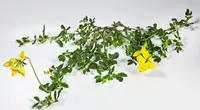
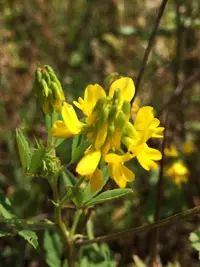
Common bird's-foot-trefoil (Lotus corniculatus) is a low-growing perennial wildflower in the pea family, often used in pastures, meadows, and erosion-control plantings. It forms dense mats or loose clumps with slender stems, small trifoliate leaves, and clusters of yellow to orange pea-like flowers. Native to Europe and parts of Asia, it is now widely naturalized across temperate regions, including North America. The plant is valued for its ability to tolerate poor soils, fix nitrogen, and compete with weeds, which makes it relatively easy to establish in the right conditions. It prefers open, sunny sites with well-drained soil, and understanding these basic needs helps gardeners care for Common Bird's-foot-trefoil effectively.

Care Difficulty
Easy Care

Light Preference
Full Sun

Water Requirements
Moderate Water

Temperature Preference
Cold Hardy

Hardiness Zone
3–9

Soil Texture
Sandy, Loamy, Clay

Soil pH
Slightly acidic (6.5–7.0), Slightly alkaline (7.0–7.5)

Soil Drainage
Well-drained

Fertilization
Minimal (feed rarely)
Scan your plant to receive care tips personalized for your specific plant
Available on iOS and Android
This sun-loving legume thrives in open, bright sites with long daily exposure.
This species prefers moderately dry to fresh soil and is sensitive to prolonged saturation.
This hardy perennial copes with a broad temperature range when established in open ground.
Humidity plays a minor role for Lotus corniculatus compared with light and soil conditions.
Lotus corniculatus prefers lean, well-drained, mineral soils and will decline in heavy, waterlogged substrates.
This species can grow in containers if the pot and medium prevent chronic wetness.
Lotus corniculatus usually needs minimal feeding, especially in fertile or wild soils.
Lotus corniculatus benefits from light, timely pruning to maintain a compact, flowering mat.
This species is more often transplanted in the garden than grown long-term in containers.
Lotus corniculatus is commonly propagated by seed and, less often, by division or cuttings.
This plant is generally cold hardy and requires little winter attention in most temperate climates.

Plant Health Check
Not sure what's wrong with your plant? Check your plant's health inside the app.
This species forms a symbiosis with Rhizobium bacteria that create nodules on its roots and convert atmospheric nitrogen into forms the plant can use, which gradually enriches poor soils.
Its leaves and stems contain low levels of naturally occurring condensed tannins that reduce the risk of frothy bloat in grazing animals compared with many clover species, so it is valued as a safer pasture plant in mixed swards.
The slender seed pods dry and twist under tension; when they split, they can eject seeds several centimeters away, helping the plant spread efficiently in grasslands and roadsides.

In parts of Europe, this plant has been used as a biological indicator of low to moderately fertile, well-drained grasslands, so its presence often signals long-established, relatively undisturbed meadow habitats with a history of light grazing or mowing.
This species is highly attractive to bees, hoverflies, and many butterflies, which visit the nectar-rich yellow flowers. It is often planted in meadows and wildlife gardens to support pollinators and increase local biodiversity.
Keep your plants happy and healthy with plant identification, disease detection, and easy care guidance.