birthwort Care (Aristolochia clematitis)

Also known as: European birthwort
birthwort

About birthwort

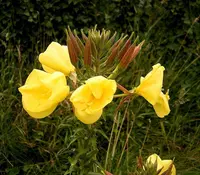
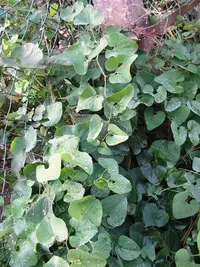
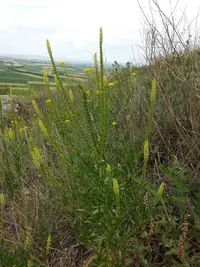
Birthwort, Aristolochia clematitis, is a hardy, herbaceous perennial traditionally found in fields, hedgerows, and disturbed ground across parts of Europe and western Asia. It has heart-shaped leaves and yellow, tubular flowers with a curved shape that often hide among the foliage.

The plant spreads by rhizomes and self-seeding, so it can become persistent once established. It prefers sun to light shade and well-drained but evenly moist soil. Due to its toxicity, care for birthwort is mainly of interest for historical or botanical collections, not for casual home gardens.

Main Plant Requirements

Care Difficulty

Moderate Care

Light Preference

Partial Shade

Water Requirements

Regular Water

Temperature Preference

Cold Hardy

Hardiness Zone

5–9

Soil Texture

Loamy, Clay, Organic-rich

Soil pH

Slightly acidic (6.5–7.0), Neutral (7.0)

Soil Drainage

Moist but well-drained

Fertilization

Minimal (feed rarely)

Get Personalized Care Plan

Scan your plant to receive care tips personalized for your specific plant

Available on iOS and Android

How to Care for the birthwort

Aristolochia clematitis prefers bright conditions with partial to full sun, adapted to open garden sites.

  • Provide 4–6 hours of direct sun daily, ideally with morning sun and light afternoon shade, especially in hotter regions.
  • Plant birthwort where it receives dappled or partial shade during the hottest midday hours to reduce leaf scorch risk.
  • In cooler climates, choose a more open, sunnier position; in warmer areas, protect from intense summer afternoon sun to prevent stress.

Aristolochia clematitis grows best in consistently moist but not waterlogged soil.

  • Water when the top 3–5 cm of soil feels slightly dry, allowing deeper soil to stay evenly moist, especially in the first growing seasons.
  • Ensure soil drains freely; prolonged puddling, yellowing leaves, or soft stems indicate overwatering and poor aeration.
  • In hot, dry weather increase watering frequency, while in cool or rainy periods reduce watering and focus on observing soil moisture and leaf firmness.

This hardy perennial tolerates a wide range of outdoor temperatures when established in the ground.

  • Active growth is strongest around 65–80°F (18–27°C), typical of late spring and early summer conditions.
  • Mature plants usually survive down to about 5–10°F (-15 to -12°C) with mulched roots, dying back above ground and resprouting in spring.
  • Short periods above 90°F (32°C) are tolerated if soil stays moist and roots are shaded; prolonged extreme heat with dry soil can cause leaf scorch and stunted growth.

Aristolochia clematitis tolerates a wide humidity range and rarely needs special humidity management outdoors.

Aristolochia clematitis prefers moist, well-drained, moderately fertile soil with a slightly alkaline reaction.

  • Use a loamy soil with plenty of organic matter, such as garden loam mixed with 30–40% compost.
  • Ensure drainage stays moderate; the soil should retain moisture but never stay waterlogged or sticky for more than a day.
  • Aim for pH around 7.0–8.0; add garden lime if the soil is naturally acidic.
  • In heavier clay, improve aeration and drainage by working in coarse sand or fine grit plus compost before planting.

This species can be grown in containers, mainly for control and observation rather than long-term display.

  • Choose a deep, heavy pot that resists tipping as the vine elongates and climbs on its support.
  • Fill the container with a loam-based mix enriched with compost so it holds moisture yet does not compact around the roots.
  • Place the pot where it can be anchored or backed against a stable structure to support any trellis or climbing frame securely.

Aristolochia clematitis is a hardy perennial that grows well in average garden soil but responds to modest feeding in poor or very light soils.

  • Use a balanced, slow-release fertilizer (for example 10-10-10) or a thin layer of compost in early spring as growth begins.
  • In fertile ground, feed once per year; in sandy or depleted soil, a light second application in midsummer is enough for caring for birthwort.
  • Apply at half the label rate, keeping granules away from direct stem contact to reduce burn risk.
  • Stop fertilizing in late summer so growth can harden before winter dormancy.

Thoughtful pruning keeps Aristolochia clematitis within bounds and maintains healthy, flowering growth.

  • Prune in late winter or very early spring, before new shoots extend.
  • Remove dead, damaged, or crossing stems first, cutting back to healthy tissue with clean, sharp hand pruners.
  • Thin congested growth to improve air flow and light penetration, which supports better flowering and reduces disease.
  • Shorten excessively long stems to control spread and maintain the desired shape along fences or supports.

This species is usually grown in the ground, so transplanting site-grown clumps is more common than container repotting.

  • Transplant in early spring or early fall when temperatures are mild and soil is workable.
  • Look for signs such as slow growth, overcrowded clumps, or roots circling the planting hole or container.
  • Lift the plant with a generous soil ball, tease apart congested roots gently, and trim any broken or rotted portions.
  • Replant at the same depth in well-prepared soil, water thoroughly, and keep evenly moist for several weeks to limit transplant shock.

Aristolochia clematitis is most often propagated by seed or by lifting and dividing mature clumps.

  • Sow fresh seed in fall in pots or seed trays outdoors; natural winter chilling supports germination in spring.
  • For indoor sowing, provide 4–8 weeks of cold stratification at about 35–40°F before moving seeds to 65–70°F light conditions.
  • Divide established clumps in early spring, ensuring each division has healthy buds and roots.
  • Replant divisions promptly, water well, and maintain moderate moisture until new growth is clearly established.

This plant is cold hardy in most temperate climates and usually needs minimal winter attention once established.

  • Expect top growth to die back to the ground after hard frosts, with survival from underground rhizomes.
  • In colder regions or exposed sites, apply a 5–8 cm mulch layer over the root zone after the first frosts.
  • Container-grown plants benefit from moving pots into a sheltered, unheated but frost-free or slightly protected spot.

Care Tips

Rhizome containment

Install a 20–30 cm deep root barrier or plant in a large, bottomless container sunk into the ground to keep the spreading rhizomes from invading nearby beds.

Targeted slug control

Protect young shoots in spring with collars, copper tape, or hand-picking at dusk, since tender growth is especially attractive to slugs and can be lost in a few nights.

Seed pod management

Remove most seed pods before they mature if you want to limit self-seeding, leaving only a few if seed collection or naturalizing in a controlled area is desired.

Support for stems

Provide low wire hoops, a short fence, or neighboring sturdy perennials for the stems to lean on, which keeps foliage off the soil and reduces rot and slug damage.

Safe handling routine

Wear gloves when dividing or cutting back the plant, wash hands afterward, and keep clippings out of compost used for edibles, as part of responsible caring for birthwort.

Common Pests and Diseases

Leaf miner larvae

This pest lives inside the leaves, creating pale, winding tunnels and blotches that distort the foliage of this vine. Symptoms include reduced photosynthesis and premature yellowing or drop of damaged leaves.

Solution

Remove and destroy affected leaves as soon as tunnels are noticed to break the life cycle. Encourage or introduce natural predators where possible, avoid overuse of broad-spectrum insecticides, and use a targeted systemic insecticide only if damage is extensive and non-chemical options fail.

Spider mites

These insects are tiny sap feeders that thrive in hot, dry conditions and can infest birthwort foliage, causing stippling, bronzing, and fine webbing on leaf undersides. Severe infestations can lead to leaf drop and weakened growth.

Solution

Rinse foliage thoroughly with a strong but controlled stream of water, including the undersides of leaves, and repeat regularly to dislodge mites. Increase humidity around the plant, isolate heavily infested specimens, and use insecticidal soap or horticultural oil according to label directions if populations persist.

Rust

This disease causes small, orange to brown pustules on the undersides of leaves and corresponding yellow spots on the upper surface. Infected leaves often yellow and fall, which can thin the plant and reduce vigor.

Solution

Remove and discard infected leaves promptly and avoid overhead watering to keep foliage dry. Improve spacing and airflow, and where rust recurs, apply a suitable fungicide labeled for ornamental vines, rotating products to reduce resistance risk as part of broader Aristolochia clematitis care.

Leaf spot

This disease presents as irregular brown or dark spots on leaves that may have pale halos and can merge into larger dead patches. Symptoms include early leaf drop when conditions stay humid or plants are crowded.

Solution

Prune and dispose of affected leaves and any dense, congested stems to improve airflow. Water at the base in the morning, keep foliage as dry as possible, and if spotting continues, use a copper-based or other appropriate fungicide according to label directions and local regulations.

Interesting Facts

Toxic aristolochic acids

This species contains aristolochic acids, compounds proven to be strongly nephrotoxic and carcinogenic in humans and livestock, which is why it is now strictly discouraged in herbal use and monitored in some regions as a public health concern.

Historic birth symbolism

In Europe it was historically planted near houses and used in folk traditions because the curved, womb-shaped flowers suggested a link to childbirth, which influenced its common name birthwort.

Ant-based seed dispersal

Its seeds bear small, oil-rich structures called elaiosomes that attract ants, which carry the seeds to their nests, eat the elaiosomes, and leave the seeds to germinate in nutrient-enriched soil.

Botan icon

Did you know?

This species has been identified as a key cause of so-called Balkan endemic nephropathy, a chronic kidney disease in rural communities where contaminated flour from fields invaded by the plant exposed people to aristolochic acids over long periods.

FAQs about birthwort

This species spreads by rhizomes and self-seeding, so it can become difficult to control in open beds. Use root barriers or containers and remove unwanted seedlings regularly to prevent it from taking over nearby planting areas.

Grow Healthy Plants with Botan Care

Keep your plants happy and healthy with plant identification, disease detection, and easy care guidance.

Botan plant care app — identify plants on mobile

Explore More Plants