sweet wormwood Care (Artemisia annua)

Also known as: sweet sagewort, sweet annie, Annual Mugwort
sweet wormwood

About sweet wormwood

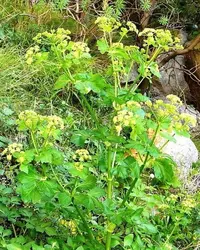
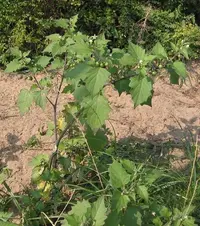
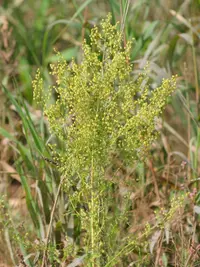
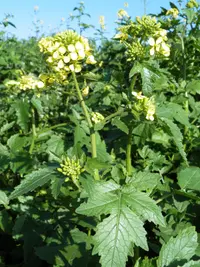
Sweet wormwood, Artemisia annua, is an aromatic annual herb in the daisy family. It forms bushy plants with finely divided, feathery green leaves and small, pale yellow flower clusters.

This species is native to parts of Asia but is now cultivated and naturalized in many temperate regions. It grows fast, tends to be adaptable, and can self-seed in suitable conditions.

Gardeners usually find it relatively easy to grow if it receives full sun, well-drained soil, and moderate moisture. Understanding how to care for sweet wormwood helps prevent weak growth and unwanted spreading in the garden.

Main Plant Requirements

Care Difficulty

Easy Care

Light Preference

Full Sun

Water Requirements

Low Water

Temperature Preference

Warm Climate

Hardiness Zone

5–9

Soil Texture

Sandy, Loamy, Rocky

Soil pH

Slightly acidic (6.5–7.0), Neutral (7.0)

Soil Drainage

Well-drained

Fertilization

Minimal (feed rarely)

Get Personalized Care Plan

Scan your plant to receive care tips personalized for your specific plant

Available on iOS and Android

How to Care for the sweet wormwood

Artemisia annua grows best in strong sun but tolerates some light shade, especially in hot climates.

  • Provide 6–8 hours of direct sun daily, ideally with morning sun and light afternoon shade in regions with very hot summers.
  • Allow light partial shade (3–4 hours direct sun) in warm zones; in cool, cloudy areas, choose an open, south-facing position for sweet wormwood.
  • Watch for pale, stretched stems as a sign of too little light, and for crisped leaf edges as a sign of intense, all-day summer sun exposure.

Artemisia annua prefers slightly dry conditions and suffers more from excess moisture than from brief drought.

  • Water only when the top 3–5 cm of soil feels completely dry, then water deeply so moisture reaches the root zone and drains away.
  • Use very well-drained soil; standing water, heavy clay, or constantly soggy spots increase root-rot risk and cause yellowing, limp foliage.
  • In cooler months or during prolonged rain, reduce watering sharply; in hot, windy spells, water when foliage droops slightly and soil is dry.

This annual herb favors warm conditions and is sensitive to hard frost.

  • Aim for active growth in 70–85°F (21–29°C); germination and early seedlings do best near 68–75°F (20–24°C).
  • Avoid exposure below 32°F (0°C); light frost can blacken foliage and repeated freezes will usually kill the plant.
  • In hot regions, plants tolerate up to about 95°F (35°C) if soil is not waterlogged and roots are mulched to limit heat stress and evaporation.

This species adapts well to typical home and outdoor humidity and rarely needs special adjustment.

  • Target 30–60% humidity, as sweet wormwood naturally grows in relatively dry, open sites.
  • Leaves curling inward, dulling, or crisping at the edges can signal combined low humidity and heat stress.
  • Increase local humidity slightly only during very hot, dry spells by grouping plants or briefly misting foliage in the morning.

Artemisia annua prefers lean, fast-draining soil that does not stay wet after watering or rain.

  • Use a sandy or sandy-loam mix with about 60–70% mineral material (coarse sand or fine grit) and 30–40% organic matter.
  • Aim for slightly acidic to neutral pH, around 6.0–7.0, which supports nutrient uptake without excess growth softness.
  • Improve drainage and aeration by blending in coarse sand, perlite, or small grit rather than heavy peat-only mixes.
  • Avoid compacted clay, waterlogged sites, or rich, soggy compost that promotes root rot and weak, floppy stems.

This species is suitable for container growing when given a stable, well-drained pot.

  • Choose a pot at least 25–30 cm deep so the plant can form a strong taproot and anchoring lateral roots.
  • Select a heavier material like terracotta or ceramic outdoors to reduce tipping in wind as the plant gains height.
  • Fill the container with a gritty mix and keep the top drainage holes clear so sudden summer storms do not leave roots submerged.

Artemisia annua grows best in moderately fertile, well-drained soil and does not need heavy feeding.

  • Use a light application of balanced NPK granular fertilizer or compost at planting to support early growth.
  • During the main growing season, feed every 6–8 weeks with a diluted (50% strength) balanced liquid fertilizer if soil is poor.
  • Avoid high-nitrogen products, which can cause weak, lush growth with fewer aromatic leaves.
  • Stop feeding in late summer; do not apply fertilizer in winter or when plants have died back.

Pruning Artemisia annua helps maintain a compact, bushy plant and supports healthy growth.

  • In late spring to early summer, pinch or trim soft tips to encourage branching and a fuller shape.
  • Remove dead, damaged, or crossing stems with clean, sharp scissors or hand pruners throughout the season.
  • Lightly shear back lanky or top-heavy growth before flowering to keep plants upright and stable.
  • After frost kills top growth, cut stems back to ground level and dispose of diseased material.

This species is most often grown as an annual in beds, so transplanting young plants is more common than long-term repotting.

  • Transplant Artemisia annua seedlings outdoors after frost when roots lightly fill starter cells but are not circling.
  • If container-grown, move to a pot 2–5 cm wider when roots emerge from drainage holes or growth stalls.
  • Handle the root ball gently, keep it intact, and water thoroughly before and after moving to reduce stress.
  • Plant into loose, well-drained soil at the same depth, then shade lightly and keep evenly moist for 3–5 days.

Artemisia annua is most commonly propagated from seed, which is small but germinates reliably under suitable conditions.

  • Sow fresh seed indoors in late winter to early spring on the surface of moist, sterile seed-starting mix.
  • Press seed in gently without covering, as light improves germination, and maintain 65–75°F with steady moisture.
  • Provide bright, indirect light and good airflow; seedlings usually emerge in 7–21 days.
  • Harden off young plants gradually before planting outdoors, once all frost risk has passed.

Artemisia annua is a frost-tender annual in most climates and usually completes its life cycle before winter.

  • Expect plants to die after hard frost; winter protection is generally unnecessary for garden-grown specimens.
  • In cold regions, save seed from mature plants before frost to re-sow next season.
  • For sweet wormwood indoor care, container plants can be moved inside before frost for short-term extension of growth.
  • Remove and compost healthy dead plants after freezing weather to clear beds and limit self-seeding if unwanted.

Care Tips

Timed succession sowing

Sow a small batch of seeds every 2–3 weeks in spring to early summer so plants mature at slightly different times, which evens out harvest windows and reduces the impact of a single weather event on the whole crop.

Early wind training

Expose young plants to gentle, steady air movement outdoors or from a fan for a few hours a day to encourage thicker stems and better anchoring, which helps them withstand summer storms without lodging.

Sturdy staking strategy

Install slim stakes or a low string grid when plants reach 20–30 cm tall so stems grow into the support rather than trying to correct floppy growth after wind damage has already occurred.

Targeted pest scouting

Inspect new growth and leaf undersides weekly for aphids and leaf miners, and remove small infestations by pinching off affected tips or hosing down foliage before resorting to insecticidal soap.

Timed harvesting technique

For those growing sweet wormwood for foliage, harvest in the cool morning just as flower buds begin to form, when leaves are turgid and aromatic compounds are typically at a higher concentration.

Common Pests and Diseases

Powdery mildew

This disease shows as white to gray, powdery patches on leaves and young stems, often in dense or humid growing conditions.

Solution

Remove heavily infected leaves, avoid overhead watering, and improve spacing and airflow around plants; for persistent cases, apply a sulfur or potassium bicarbonate fungicide according to label directions as part of Artemisia annua care.

Downy mildew

This disease produces yellow or pale leaf spots on the upper surface and a grayish, downy growth on the underside, especially in cool, moist weather.

Solution

Promptly remove and discard affected foliage, water at the base in the morning, reduce humidity, and if needed use a phosphonate or copper-based fungicide labeled for downy mildew on ornamentals or herbs, following local regulations.

Aphids

These insects cluster on tender shoot tips and undersides of leaves, sucking sap and causing curling, distortion, and sticky honeydew deposits that can attract sooty mold.

Solution

Spray plants with a strong stream of water to dislodge colonies, then use insecticidal soap or a light horticultural oil on undersides of leaves, repeating every 5–7 days until populations drop.

Leaf miners

This pest creates narrow, winding, pale tunnels inside the leaves as larvae feed between leaf surfaces, which can reduce vigor on young plants.

Solution

Pick off and destroy mined leaves at the first signs of damage, use yellow sticky traps to monitor adult activity, and if infestations continue apply a neem oil spray targeting newly hatched larvae on young foliage.

Alternaria leaf spot

This disease causes small brown spots that often enlarge into circular lesions with darker concentric rings, sometimes leading to premature leaf drop in warm, humid conditions.

Solution

Remove and discard infected leaves, avoid wetting foliage, improve air circulation, and if disease pressure remains high consider a rotation of chlorothalonil or copper-based fungicides labeled for foliar leaf spots, applied preventively to new growth.

Interesting Facts

Source of artemisinin

This species is the original natural source of artemisinin, a sesquiterpene lactone compound that became the basis of modern artemisinin combination therapies used worldwide against Plasmodium falciparum malaria.

Distinct aromatic chemistry

Its strong scent comes from a complex mixture of volatile terpenoids such as camphor and 1,8-cineole, which can deter some herbivores and may reduce fungal growth on leaf surfaces.

Short-lived annual life cycle

Unlike many other Artemisia species that are perennial, this plant completes its entire life cycle from seed to seed in a single growing season, which allows rapid colonization of disturbed sunny habitats.

Botan icon

Did you know?

Youyou Tu received the Nobel Prize in Physiology or Medicine in 2015 for the discovery of artemisinin from this species, marking one of the most prominent examples of a traditional-use plant leading to a modern, globally adopted antimalarial drug.

FAQs about sweet wormwood

Lack of blooms often comes from insufficient light, overly rich nitrogen fertilizer, or cutting stems too late in the season. Ensure full sun, avoid high-nitrogen feeding, and stop heavy pruning in midsummer to allow flower stalks to form.

Grow Healthy Plants with Botan Care

Keep your plants happy and healthy with plant identification, disease detection, and easy care guidance.

Botan plant care app — identify plants on mobile

Explore More Plants