mountain arnica Care (Arnica montana)

Also known as: Wolf's bane
mountain arnica

About mountain arnica

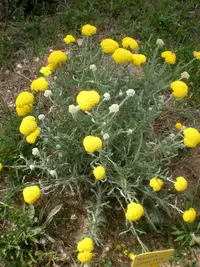
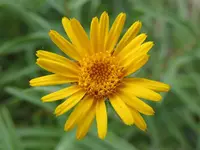
Mountain arnica (Arnica montana) is a hardy, herbaceous perennial from upland meadows and open woodlands in Europe. It forms low clumps of foliage with upright stems topped by bright yellow, daisy-like flowers. The plant has a somewhat wild, natural look and does best in cool summer climates, where it can slowly form small patches rather than dense mats. Arnica montana prefers sun to light shade, evenly moist but well-drained, slightly acidic soil, and does not tolerate heavy fertilizing or waterlogged conditions. These needs make it a bit more challenging than many common garden perennials, so planning how to care for mountain arnica before planting is helpful.

Main Plant Requirements

Care Difficulty

Moderate Care

Light Preference

Full Sun

Water Requirements

Moderate Water

Temperature Preference

Cold Hardy

Hardiness Zone

3–7

Soil Texture

Sandy, Loamy, Rocky

Soil pH

Strongly acidic (4.5–5.5), Acidic (5.5–6.5)

Soil Drainage

Well-drained

Fertilization

Minimal (feed rarely)

Get Personalized Care Plan

Scan your plant to receive care tips personalized for your specific plant

Available on iOS and Android

How to Care for the mountain arnica

This alpine perennial prefers bright, cool conditions that mimic open mountain meadows.

  • Provide 4–6 hours of direct morning sun with light shade or filtered light in the hot afternoon, especially in warmer climates.
  • Allow partial shade (up to 50% of the day) in summer; in cooler regions, mountain arnica can tolerate more direct sun without scorching.
  • Watch for pale, leggy growth as a sign of insufficient light and scorched, crispy leaf edges as a sign of excessive intense sun.

This species needs steady moisture but does poorly in soggy or compacted soil.

  • Water when the top 2–4 cm of soil feels dry, aiming for consistently moist but never waterlogged conditions during active growth.
  • Use well-draining, humus-rich soil so water drains within a few minutes; standing water or a sour smell indicates overwatering and root stress.
  • In hot, dry periods, expect faster drying and more frequent checks; in cool or rainy seasons, reduce watering to avoid yellow, limp leaves from excess moisture.

This hardy perennial prefers cool to mild conditions and tolerates significant winter cold once established.

  • Best growth occurs around 55–70°F (13–21°C), similar to a cool summer climate with moderate daytime warmth and cooler nights.
  • Arnica montana survives winter down to about -10°F to -20°F (-23°C to -29°C) in well-drained soil, especially with mulch protecting the crown.
  • Prolonged heat above 80–85°F (27–29°C) may cause stress; provide afternoon shade and extra mulch, and avoid reflected heat from walls or pavement in summer.

This species prefers moderately moist air but usually adapts to typical outdoor humidity.

  • Aim for 40–60% humidity, avoiding very hot, desiccating winds that dry foliage and soil rapidly.
  • Plants tolerate short dry-air periods if soil moisture is stable, but prolonged very low humidity can stunt new growth.
  • Watch for crisp leaf edges or curling during heat waves and increase humidity by wind protection, mulching, and evening overhead watering around, not on, the flowers.

Arnica montana needs loose, moist but well-drained soil that never stays waterlogged.

  • Use a light loamy or sandy-loam soil with 20–40% sharp sand and 20–30% well-rotted compost for structure and moisture balance.
  • Keep pH slightly acidic, roughly pH 5.5–6.5, avoiding alkaline or limy ground that reduces nutrient availability.
  • Improve drainage and aeration by working in coarse sand or fine grit, especially in heavy or compacted garden beds.
  • Avoid dense clay, peat-only mixes, or spots where water collects after rain, as persistent saturation quickly damages roots.

This species can be grown in containers if the pot is prepared to mimic cool, free-draining mountain soil.

  • Choose a deep, heavy pot that resists tipping and buffers roots from rapid temperature and moisture swings in sun or wind.
  • Fill the container with a peat-free loam-based mix cut with at least 30–40% coarse sand or grit to prevent waterlogging at the base.
  • Raise the pot on feet or bricks so drainage holes stay clear and excess water escapes quickly after rain or irrigation, reducing root rot risk.

Native Arnica montana evolved in low‑nutrient soils and needs only light feeding to stay healthy.

  • Use a low-dose, balanced NPK fertilizer (around 5-5-5) or a thin layer of mature compost in early spring.
  • Feed once at the start of active growth; a second very light application in midsummer is enough in poor soils.
  • Dilute liquid fertilizer to 1/4–1/2 strength to avoid leaf burn and excessive, weak growth.
  • Skip feeding in fall and winter when growth slows or plants are dormant.

Pruning Arnica montana is minimal and mainly supports flowering and plant health.

  • Cut back spent flower stems in late summer to encourage a neater mound and possible light rebloom.
  • Remove dead, damaged, or diseased leaves and stems whenever noticed, using clean, sharp scissors or hand pruners.
  • Thin out crowded rosettes in dense clumps to improve air flow and reduce fungal problems.
  • Avoid hard cutting into woody crown tissue; keep shaping cuts light to preserve natural form.

Transplanting Arnica montana is done infrequently, as mature plants dislike disturbance.

  • Plan moves for early spring or early fall, when temperatures are mild and soil is moist but not waterlogged.
  • Look for signs such as stunted growth, crowded clumps, or roots circling a container as cues to transplant.
  • Dig widely around the root zone, lifting a generous soil ball to limit root breakage and stress.
  • Replant at the same depth in a well-drained, slightly acidic site and water gently until growth resumes.

Arnica montana is most reliably propagated by seed or careful division under suitable conditions.

  • Sow fresh seeds in late summer or fall in a gritty, well-drained mix; many benefit from 4–6 weeks of cold stratification in a fridge.
  • Keep seed trays cool (50–60°F), evenly moist, and bright but out of direct harsh sun for steady germination.
  • Divide established clumps in early spring, separating healthy rosettes with good roots and replanting promptly.
  • Maintain moist, well-drained, slightly acidic soil after division to support re-rooting and survival.

This alpine perennial is quite cold hardy but benefits from simple winter care in many gardens.

  • Tolerates freezing conditions in the ground, especially with snow cover or consistent cold.
  • After the first hard frost, allow top growth to die back naturally, then trim away mushy foliage.
  • Apply a 3–5 cm mulch of leaf mold or fine bark around, not on top of, crowns to buffer freeze–thaw cycles.
  • If grown in containers in very cold regions, move pots to a sheltered, unheated but frost-moderated spot.

Care Tips

Marked planting zones

In mixed borders, place discreet markers where plants emerge so late-sprouting clumps are not accidentally hoed off or overplanted while dormant.

Seasonal division timing

Divide and replant clumps only right after flowering or very early in spring, when soil is cool and moist, to reduce transplant shock and keep plants vigorous.

Calcareous soil avoidance

If soil is naturally alkaline or high in free lime, grow Arnica montana in a dedicated raised bed filled with low-lime, slightly acidic mix rather than trying to amend the whole garden.

Winter crown protection

In colder areas, apply a very light, airy mulch of pine needles or fine bark over the crowns after the ground freezes to reduce freeze–thaw heaving without smothering the plants.

Flower harvest hygiene

When harvesting blooms for medicinal use, cut only fully open, healthy flower heads on dry mornings and disinfect shears between plants to reduce disease spread while caring for mountain arnica.

Common Pests and Diseases

Powdery mildew

This disease causes white, powdery patches on leaves, stems, and sometimes flower stalks, often in warm days with cool, humid nights. Symptoms include distorted growth and reduced flowering if the infection is heavy.

Solution

Remove and discard heavily infected leaves to reduce spore load, and thin surrounding vegetation or competing groundcover to improve air movement around the plants. Avoid overhead watering, water at soil level in the morning, and if needed apply a sulfur or potassium bicarbonate fungicide labeled for ornamental perennials, following all label directions as part of Arnica montana care instructions.

Leaf spot

This disease produces small brown to dark purple spots that may merge into larger blotches, usually in prolonged wet weather. Symptoms include premature yellowing and drop of older leaves, which weakens clumps over time.

Solution

Cut off and dispose of affected leaves, especially at the end of the season, to remove sources of infection. Water at the base of the plant, keep plant spacing generous so foliage dries quickly, and in severe or recurring cases use a copper-based fungicide at the first signs of spotting, according to label instructions.

Aphids

These insects cluster on young stems, undersides of leaves, and flower stalks, sucking sap and excreting sticky honeydew. This pest can cause curled, distorted new growth and may attract sooty mold on the honeydew.

Solution

Spray plants with a firm stream of water to dislodge colonies, repeating every few days as needed, and encourage natural predators such as lady beetles by avoiding broad-spectrum insecticides nearby. For persistent infestations, treat tender growth with insecticidal soap or a ready-to-use horticultural oil, coating leaf undersides thoroughly and applying in cool parts of the day.

Spider mites

These pests feed on leaf undersides, causing fine pale stippling and a dull, grayish appearance, often during hot and dry weather. Symptoms include delicate webbing between leaves and stems when populations are high.

Solution

Rinse foliage thoroughly with water, including the undersides of leaves, on a regular schedule to reduce mite numbers and dust buildup. If damage continues, apply horticultural oil or insecticidal soap directed to leaf undersides, and maintain slightly higher ambient humidity and good but not stagnant airflow around the plants.

Rust

This disease forms small yellow to orange spots on upper leaf surfaces with matching rust-colored pustules on the undersides. Symptoms include early leaf drop and gradual weakening of the plant if infections repeat over several seasons.

Solution

Remove and destroy infected leaves as soon as spots appear and keep the planting area free of fallen plant debris. Water at soil level, avoid overcrowding, and in case of recurring rust use a labeled fungicide for rust diseases on ornamentals, rotating active ingredients if treatments are needed multiple times in a season.

Interesting Facts

Alpine heathland specialist

This species is naturally restricted to nutrient-poor, acidic mountain meadows and heathlands in central and northern Europe, and it declines quickly when soils are fertilized or limed.

Rare long-lived perennial

Individual plants can live many years but spread only slowly by short rhizomes, which makes natural populations vulnerable when their habitats are disturbed or fragmented.

Chemically diverse flower heads

The flower heads contain a complex mixture of sesquiterpene lactones such as helenalin, along with flavonoids and essential oils, which have been studied extensively in pharmacognosy research.

Botan icon

Did you know?

In several European countries, wild populations of this species are legally protected and monitored, and traditional meadow management practices such as late-season mowing are maintained specifically to conserve its remaining habitats.

FAQs about mountain arnica

Poor flowering usually comes from low light, overly rich nitrogen fertilizer, or plants that are too young or crowded. Ensure strong sun, lean, well-drained soil, and divide congested clumps every few years to restore flowering.

Grow Healthy Plants with Botan Care

Keep your plants happy and healthy with plant identification, disease detection, and easy care guidance.

Botan plant care app — identify plants on mobile

Explore More Plants