Atlas Daisy Care (Anacyclus pyrethrum)

Also known as: Bertram, Pelitory of Spain, Pellitory, Roman Pellitory, Spanish Pellitory
Atlas Daisy

About Atlas Daisy

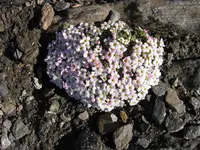
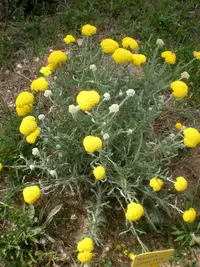
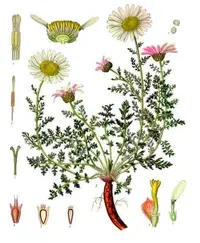
Atlas daisy, Anacyclus pyrethrum, is a compact, herbaceous perennial often grown as a low, spreading groundcover. It forms dense mounds of finely divided, fern-like foliage with white, daisy-shaped flowers and distinct red markings on the reverse of the petals.

This species is native to dry, rocky areas of North Africa and the Mediterranean, so it is naturally adapted to sun, wind, and relatively poor, well-drained soils. Its drought tolerance and modest size make it suitable for rock gardens, borders, and containers, though consistent drainage is critical.

Gardeners who care for Atlas Daisy usually find it straightforward if it receives plenty of light and is protected from heavy, persistent moisture around the roots.

Main Plant Requirements

Care Difficulty

Moderate Care

Light Preference

Full Sun

Water Requirements

Low Water

Temperature Preference

Cold Hardy

Hardiness Zone

4–9

Soil Texture

Sandy, Loamy, Rocky

Soil pH

Slightly acidic (6.5–7.0), Neutral (7.0)

Soil Drainage

Well-drained

Fertilization

Minimal (feed rarely)

Get Personalized Care Plan

Scan your plant to receive care tips personalized for your specific plant

Available on iOS and Android

How to Care for the Atlas Daisy

This sun-loving perennial thrives in open, bright positions with consistent direct light.

  • Provide 6–8 hours of direct sun daily; morning to early afternoon sun is ideal for strong, compact growth in Atlas Daisy.
  • It tolerates light partial shade, especially with 3–4 hours of direct morning sun, but flowering decreases in deeper shade and stems may stretch.
  • In hot summer climates, protect from intense late-afternoon sun with very light shade to reduce leaf scorch, especially in dry, reflective sites.

This drought-tolerant species prefers drier conditions and dislikes prolonged soil moisture.

  • Water only when the top 3–5 cm of soil are completely dry, then soak the root zone thoroughly and allow excess to drain away.
  • Use sharply draining, gritty soil or a raised bed to prevent waterlogging; Anacyclus pyrethrum is prone to root rot in compact, poorly drained ground.
  • Reduce watering in cool seasons, watching foliage for early wilting or loss of turgor as a cue, and avoid frequent light splashes that keep the surface damp.

This hardy perennial prefers cool to mild conditions but copes with a wide outdoor temperature range.

  • Optimal growth occurs around 60–75°F (16–24°C), with best flowering in cooler spring and early summer conditions.
  • Plants tolerate winter lows down to about 10–15°F (-12 to -9°C) in well-drained soil, especially with a dry, sheltered site.
  • Heat tolerance extends to about 85–90°F (29–32°C) if soil remains free-draining and nights cool; prolonged heat with high humidity can shorten flowering.

Humidity is rarely a limiting factor for Anacyclus pyrethrum, which thrives in relatively dry air.

  • Target 30–50% humidity, similar to a typical heated or air-conditioned home or a dry outdoor climate.
  • This Atlas Daisy tolerates dry air well, with leaf scorch or limp foliage appearing only under extreme, hot indoor drafts.
  • If signs of stress appear, increase humidity slightly by grouping plants together or placing a shallow pebble tray with water nearby.

Anacyclus pyrethrum prefers lean, mineral, sharply drained soil that mimics its native dry habitats.

  • Use a sandy or gritty mix such as 50–60% coarse sand or grit blended with 40–50% loam-based compost to prevent waterlogging.
  • Aim for slightly alkaline to neutral pH around 7.0–7.5; add a small amount of garden lime if your soil is strongly acidic.
  • Improve aeration by incorporating horticultural grit or perlite, ensuring roots receive oxygen even after heavy rain or watering.
  • Avoid heavy clay, peat-heavy, or compacted mixes that stay wet for more than 1 day, as this greatly increases root rot risk.

This species is suitable for sunny container growing when drainage and root zone conditions stay dry and airy.

  • Choose a wide, relatively shallow pot to accommodate its spreading, fibrous roots rather than a very deep container.
  • Use a clay or terracotta pot if possible, since its porous walls help moisture evaporate faster in wet or humid weather.
  • Raise the pot slightly on feet or bricks so drainage holes never sit directly in collected water on saucers or patios.

Anacyclus pyrethrum is a light feeder that benefits from modest nutrition in lean, well-drained soils during active growth.

  • Apply a balanced, low-strength liquid fertilizer (for example 10-10-10) at 1/2–1/4 label strength every 4–6 weeks in spring–summer.
  • Use a thin layer of compost around, not against, the crown to improve soil without making it too rich.
  • In containers, a small amount of slow-release fertilizer mixed into gritty potting soil supports Atlas Daisy without promoting lush, weak growth.
  • Stop feeding in fall and winter, when growth slows and the plant enters partial dormancy.

Anacyclus pyrethrum responds well to light, timely pruning that maintains a compact, floriferous mound.

  • Best time for pruning is after the main flowering flush, usually late spring to early summer.
  • Shear back spent flower stems by one-third to encourage fresh growth and additional blooms.
  • Remove dead, damaged, or crowded stems at the base with clean, sharp scissors or hand pruners.
  • Lightly shape the plant to keep low, spreading growth and prevent the center from becoming woody and sparse.

This species is most often grown in rock gardens or borders, so transplanting matters more than repotting.

  • Transplant in early spring or early fall, when temperatures are mild and soil is workable.
  • Look for signs such as stunted growth or roots circling and emerging from drainage holes in container-grown plants.
  • Move plants infrequently, about every 2–3 years, since mature clumps dislike frequent disturbance.
  • Reduce root stress by watering the day before, keeping the root ball intact, replanting at the same depth, and shading lightly for a few days.

Anacyclus pyrethrum is most commonly propagated from seed, with division used for established clumps.

  • Sow fresh seeds in late winter to early spring under cover, using a sharply drained, sandy mix.
  • Provide cool conditions around 55–65°F with bright light for steady germination and compact seedlings.
  • Lightly cover seeds, keep the medium just moist, and ensure good air movement to limit damping-off disease.
  • Divide older clumps in early spring, replanting divisions promptly into well-drained soil and watering gently.

This plant is generally cold hardy in temperate climates but benefits from simple winter care in wet or very cold regions.

  • Tolerates light to moderate frost when grown in sharply drained soil.
  • Apply a thin, gritty mulch around the crown in late fall to limit freeze–thaw stress while avoiding waterlogging.
  • In heavy or wet soils, raise plants in a berm or rock garden to prevent winter root rot.
  • Move containers to a cold, bright, sheltered spot, keeping the mix barely dry.

Care Tips

Encourage Compact Growth

Pinch back the longest stems just as they start to elongate in late spring to keep the plant low, dense, and more floriferous rather than letting it sprawl and gap in the center.

Improve Winter Drainage

In regions with wet winters, plant on a slight mound or add a shallow gravel-filled trench on the downslope side of the planting area to divert excess water away from the crown and prevent rot.

Use Mineral Mulch

Top-dress around the plant with a 1–2 cm layer of grit or small gravel instead of organic mulch to keep the crown dry, suppress splashing soil, and mimic the rocky habitats that favor this species.

Timed Root Division

Lift and divide older clumps in early spring just as new growth appears, replanting only the firm, healthy sections to maintain vigor and avoid woody, unproductive centers.

Monitor Summer Stress

During hot, dry spells, check foliage weekly for early signs of stress such as limp or folding leaves and trim back any scorched or collapsing stems promptly to reduce disease pressure and promote clean regrowth when growing Atlas Daisy.

Common Pests and Diseases

Powdery mildew

This disease appears in warm, dry conditions with poor air movement, forming white, powdery patches on leaves and stems that can cause yellowing and reduced vigor.

Solution

Remove the worst-affected leaves, then improve spacing and airflow around plants and avoid overhead watering late in the day; if needed, apply a sulfur or potassium bicarbonate fungicide labeled for ornamental perennials, following label rates and timing carefully.

Leaf spot

This disease causes small brown to dark purple spots on foliage that may enlarge, coalesce, and lead to premature leaf drop, especially in humid or wet conditions.

Solution

Trim and dispose of affected leaves, water at soil level to keep foliage dry, and ensure good air circulation; where outbreaks recur, use a copper-based fungicide early in the season according to label directions as part of broader Anacyclus pyrethrum care.

Aphids

These insects cluster on young stems and flower stalks, sucking sap and causing curling, distortion, and sticky honeydew that may attract sooty mold.

Solution

Spray plants with a firm stream of water to dislodge colonies, then treat remaining insects with insecticidal soap or a light horticultural oil, repeating every 5–7 days until new growth appears clean and natural predators are active.

Spider mites

This pest thrives in hot, dry conditions, leading to fine webbing on stems and undersides of leaves, with stippled, pale foliage that may dry and drop early.

Solution

Rinse plants thoroughly with water, focusing on leaf undersides, then maintain slightly higher ambient humidity and, if needed, apply horticultural oil or insecticidal soap in repeated treatments to break the life cycle.

Botrytis blight

This disease develops in cool, humid conditions, causing soft, water-soaked spots on leaves or flower heads that quickly develop gray, fuzzy mold.

Solution

Remove and discard all affected plant material, increase sun exposure and airflow, and avoid overhead watering; in persistent cases, use a labeled botrytis fungicide preventively during cool, damp weather while keeping plant debris off the soil surface.

Interesting Facts

Mediterranean steppe specialist

This species is native to dry, open habitats in the western Mediterranean, where it grows in stony, well-drained soils that experience hot summers and cool, relatively moist winters.

Contractile taproot behavior

Seedlings develop a strong taproot that can act as a contractile organ, pulling the crown slightly deeper into the soil to protect the plant from surface heat and drought.

Day-responsive flower heads

The daisy-like flower heads typically open in bright light and close or droop in low light or at night, which helps protect pollen from moisture and cold.

Botan icon

Did you know?

The species produces pyrethrin-like compounds in its roots that historically led to its confusion with true pyrethrum plants, even though it is not a major commercial source of insecticidal extracts.

FAQs about Atlas Daisy

Poor flowering usually comes from insufficient light, overly rich nitrogen fertilizer, or lack of deadheading. Old, woody clumps also flower less and benefit from division every few years to refresh growth and restore bloom quantity.

Grow Healthy Plants with Botan Care

Keep your plants happy and healthy with plant identification, disease detection, and easy care guidance.

Botan plant care app — identify plants on mobile

Explore More Plants