slimjim bean Care (Phaseolus filiformis)

Also known as: slender-stem bean
slimjim bean

About slimjim bean

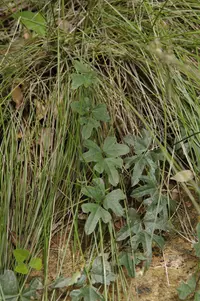
Slimjim bean, Phaseolus filiformis, is a slender, twining perennial vine in the bean family. It is native to arid and semi-arid regions of the southwestern United States and northern Mexico. Stems are thin, with narrow leaflets and small, often pinkish flowers that develop into very slender pods. The plant typically scrambles through shrubs or along the ground rather than forming a dense screen. It is adapted to poor, well-drained soils and irregular rainfall, which makes it relatively drought tolerant but sensitive to overwatering. Understanding how to care for slimjim bean starts with providing strong light, good drainage, and only modest moisture once established.

Main Plant Requirements

Care Difficulty

Moderate Care

Light Preference

Full Sun

Water Requirements

Low Water

Temperature Preference

Warm Climate

Hardiness Zone

8–11

Soil Texture

Sandy, Loamy, Rocky

Soil pH

Slightly acidic (6.5–7.0), Neutral (7.0)

Soil Drainage

Well-drained

Fertilization

Minimal (feed rarely)

Get Personalized Care Plan

Scan your plant to receive care tips personalized for your specific plant

Available on iOS and Android

How to Care for the slimjim bean

This desert bean thrives in strong sun but benefits from some protection in extreme afternoon heat.

  • Provide 6–8 hours of direct sun daily; morning sun with light afternoon shade suits most sites.
  • In very hot regions, give slimjim bean filtered light or shade after 2–3 p.m. to reduce leaf scorch and water stress.
  • If vines grow weak, pale, or produce few pods, they likely need more sun; relocate to a brighter, south- or west-facing exposure.

This species prefers evenly moist but never saturated soil, especially during active growth and pod set.

  • Before watering, let the top 3–5 cm of soil dry; then soak the root zone thoroughly and allow excess to drain away.
  • In hot, dry periods, watch for limp leaves or slow pod development as signs the plant needs a deep watering, not frequent splashes.
  • Reduce watering once nights cool and flowering slows; yellowing, soft stems or a sour soil smell often indicate overwatering in Phaseolus filiformis.

This warm-season bean performs best in stable, frost-free conditions.

  • Aim for 70–90°F (21–32°C) during active growth; germination and early growth slow noticeably below 65°F (18°C).
  • Protect plants from frost, as tissue damage occurs near 32°F (0°C); growth usually stops if days stay under 55°F (13°C).
  • In hot spells above 95°F (35°C), flowering can stall; use mulch and late-day shade to cool roots and reduce heat stress.

This desert-adapted bean prefers relatively dry air and rarely needs humidity adjustment indoors.

  • Aim for 30–50% humidity; typical indoor levels suit slimjim bean without special equipment.
  • Signs of humidity stress include leaf tip browning with soft, pale tissue rather than crisp drought scorch.
  • Increase local humidity slightly only if air drops below 25% by grouping plants or placing a shallow pebble tray nearby.

This species performs best in very well-drained, lean, sandy soil that mimics arid native habitats.

  • Use a gritty mix: roughly 50–60% coarse sand, 20–30% perlite or pumice, and 10–20% compost for minimal fertility.
  • Ensure rapid drainage; soil should drain within minutes after watering and never stay wet or soggy for more than a few hours.
  • Keep pH slightly acidic to neutral, around 6.0–7.2, which supports nutrient uptake without encouraging excess lush, weak growth.
  • Improve aeration by avoiding fine peat-heavy mixes that compact; incorporate coarse mineral particles instead to protect Phaseolus filiformis roots from rot.

This species can grow in containers if given a fast-draining, deep setup that prevents prolonged root wetness.

  • Choose a tall, relatively narrow pot so roots can run deep while limiting excess wet surface soil.
  • Use a heavier clay or ceramic container outdoors to stabilize climbing vines against wind and trellis weight.
  • Raise the pot on feet or bricks so drainage holes stay clear and excess irrigation water escapes quickly after each watering.

Phaseolus filiformis is adapted to lean soils and usually needs only light feeding in cultivation.

  • Use a balanced, dilute liquid fertilizer (such as 10-10-10 at 1/4–1/2 strength) if growth appears weak in pots or poor soils.
  • Feed every 4–6 weeks during the warm growing season only, skipping applications after flowering declines.
  • Avoid high-nitrogen formulas that encourage leafy growth over flowers and pods in slimjim bean.
  • On rich garden soil, rely on compost or not fertilizing at all to prevent excess vigor and lodging.

Phaseolus filiformis needs minimal pruning, mainly to keep vines tidy and healthy.

  • In late spring and summer, remove dead, yellowing, or damaged stems with clean, sharp scissors or hand pruners.
  • Thin crowded or tangled shoots to improve airflow and reduce the risk of foliar diseases.
  • Pinch or trim excessively long vines to control spread and to direct energy into flowering and pod set.
  • Disinfect cutting tools before and after use to limit transmission of pathogens between plants.

This species is usually grown as an annual in the ground, so transplanting is more relevant than long-term repotting.

  • Transplant young Phaseolus filiformis seedlings outdoors after frost when they have 2–3 true leaves and roots hold the soil plug.
  • Start in small pots or cells; transplant once, since frequent disturbance can slow growth and reduce vigor.
  • Shift container plants only when roots circle the pot or growth stalls, choosing the next pot size up with drainage.
  • Water thoroughly before and after moving, keep roots shaded, and transplant in the late afternoon to reduce transplant shock.

Phaseolus filiformis is most commonly propagated from seed rather than from cuttings or division.

  • Sow seeds in late spring once soil temperatures reach about 60–70°F and frost risk has passed.
  • Pre-soak seeds in lukewarm water for 6–12 hours to speed and even out germination.
  • Plant seeds 2–3 cm deep in well-drained soil or a light seed-starting mix, keeping it slightly moist, not waterlogged.
  • Provide full sun and moderate warmth; thin seedlings so each plant has space for vine development and airflow.

Phaseolus filiformis is typically grown as a warm-season annual and does not need extensive winter care.

  • Plants are frost-sensitive and usually die back after the first hard frost in temperate climates.
  • In the ground, allow dead vines to dry, then remove and compost or discard to reduce overwintering pests and diseases.
  • Container-grown plants can be discarded after seed harvest; long-term indoor overwintering is rarely practical or productive.

Care Tips

Early vine training

Install low trellises or wires as soon as seedlings form true leaves and guide the first vines by loosely tying them with soft garden tape so stems harden in the desired direction and resist wind damage later.

Deep mulching strategy

Apply a 5–8 cm layer of coarse organic mulch along the row, leaving a narrow bare strip right at the stem base to keep roots cool, suppress weeds, and reduce soil splash that can spread fungal spores onto foliage.

Targeted succession sowing

Sow small batches every 2–3 weeks at the start of warm weather instead of one large planting so flowering and pod set avoid being concentrated during short periods of extreme heat or drought stress.

Pod harvest timing

Check plants every 1–2 days and harvest pods when they are firm and well filled but before they become leathery, which keeps the plant in a productive phase and improves overall yield when growing slimjim bean.

Preventive pest scouting

Inspect the undersides of leaves and young pods weekly for spider mites, aphids, and chewing damage, and remove localized infestations early by pinching off affected tips or using a strong water spray before resorting to targeted insecticides.

Common Pests and Diseases

Spider mites

This pest thrives on slimjim bean in hot, dry conditions, causing fine stippling, bronzing, and webbing on leaves. Symptoms include slowed growth and premature leaf drop when infestations are heavy.

Solution

Rinse foliage thoroughly with a strong but controlled stream of water, including leaf undersides, and repeat every few days until mites decline. For ongoing Phaseolus filiformis care in dry climates, increase humidity around the plants, reduce heat stress, and apply insecticidal soap or a horticultural oil labeled for mites, making sure to cover both sides of the leaves.

Bean rust

This disease produces small, powdery rust-colored pustules on leaves, pods, and stems, which can merge into larger patches and cause yellowing. Severe infections may lead to early leaf drop and reduced pod set on wild beans in warm, slightly humid sites.

Solution

Remove and destroy infected leaves and crop debris to cut down on spores, and avoid overhead watering so foliage dries quickly. Space plants to improve airflow, rotate with non-legume crops, and use a sulfur or copper-based fungicide at label rates if rust appears repeatedly in the same area.

Fusarium wilt

This disease causes gradual yellowing, one-sided wilting, and eventual collapse of vines, often starting on older leaves. Symptoms include brown streaking in the lower stem and poor recovery even when soil is moist.

Solution

Uproot and dispose of severely affected plants, including roots, and avoid planting beans in the same spot for several years. Improve soil drainage, avoid overwatering and high nitrogen fertilization, and use clean seed plus well-composted (not fresh) organic matter to reduce pathogen buildup.

Bean common mosaic virus

This disease leads to mottled, distorted leaves with light and dark green patches, sometimes accompanied by puckering and stunted pods. Symptoms include reduced vigor and lower seed production, especially in stressed plants.

Solution

Remove and discard symptomatic plants to limit spread, and source seed from reputable suppliers that test for bean viruses. Control aphid vectors with reflective mulches, physical barriers, and targeted sprays of insecticidal soap, and keep the area free of volunteer beans that can harbor the virus.

Seed beetles

These insects lay eggs on developing pods or stored seeds, and the larvae tunnel inside the seeds, leaving exit holes and reduced germination. Damage is often noticed only when seeds fail to sprout or crumble when pressed.

Solution

Harvest pods promptly once dry, then freeze stored seed for 3–5 days to kill hidden larvae before long-term storage. Keep seed in airtight containers in a cool, dry place, discard heavily damaged seed, and clean up spilled seed around storage areas to reduce reinfestation.

Interesting Facts

Desert-adapted twiner

This species is a perennial vine native to the deserts of the southwestern US and northern Mexico, where it twines through shrubs to access more light instead of climbing trees.

Summer monsoon specialist

It typically sprouts and flowers in response to warm-season rains in arid regions, timing its growth to short pulses of soil moisture rather than continuous water availability.

Pollinator-focused flowers

The slender pink to magenta flowers are structured like other bean flowers but are particularly attractive to native bees in desert habitats, which act as its main pollinators.

Botan icon

Did you know?

Phaseolus filiformis is one of the few wild North American beans that helped botanists understand the evolutionary line between wild desert Phaseolus species and domesticated common beans, so it is often referenced in studies on the origin and diversification of cultivated beans.

FAQs about slimjim bean

This species is a twining vine that climbs rather than forming a dense ground mat. It wraps around nearby stems, wires, or supports. Without something to climb, it tends to sprawl along the ground and tangle.

Grow Healthy Plants with Botan Care

Keep your plants happy and healthy with plant identification, disease detection, and easy care guidance.

Botan plant care app — identify plants on mobile

Explore More Plants