Label Clump Zones
Mark planting spots with discreet labels or stones so you can distinguish established clumps from self-sown seedlings when thinning, which helps maintain strong, well-spaced plants.

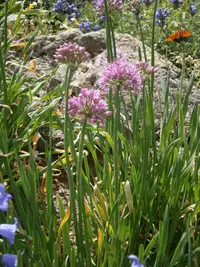
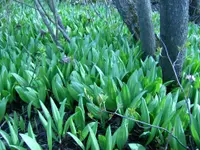
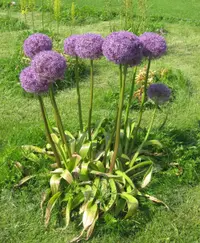
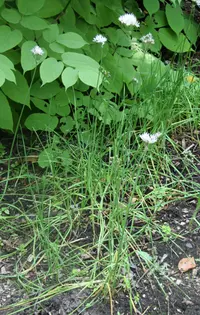
Wild garlic (Allium pyrenaicum) is a bulb-forming perennial from the onion family, grown mainly for its aromatic leaves and mild garlic scent. It typically forms low clumps of smooth green foliage and produces modest, starry flowers on slender stems.
This species occurs in parts of western Europe, usually in moist, partly shaded woodland or meadow habitats. It is generally straightforward to grow if given cool, humus-rich soil and consistent moisture, though it dislikes very dry or compacted ground. Gardeners who learn how to care for Wild garlic often value it as a useful culinary and ornamental herb.

Care Difficulty
Moderate Care

Light Preference
Full Sun

Water Requirements
Moderate Water

Temperature Preference
Cool Climate

Hardiness Zone
6–8

Soil Texture
Sandy, Loamy, Rocky

Soil pH
Slightly acidic (6.5–7.0), Neutral (7.0)

Soil Drainage
Well-drained

Fertilization
Minimal (feed rarely)
Scan your plant to receive care tips personalized for your specific plant
Available on iOS and Android
Allium pyrenaicum grows best in open, bright positions that mimic its natural woodland-edge habitat.
This species prefers evenly moist but not waterlogged soil, with slight drying between waterings.
This bulbous plant is adapted to cool to mild climates with distinct seasons.
Humidity is not a critical factor for Allium pyrenaicum, which thrives in typical indoor and outdoor air conditions.
Allium pyrenaicum prefers light, free-draining soil that prevents water from sitting around the bulbs.
This species adapts well to container growing when drainage and root depth are managed carefully.
Allium pyrenaicum needs only light feeding, as the bulbs store much of the nutrients required for growth.
Pruning Allium pyrenaicum is simple and helps maintain tidy growth and reliable flowering.
This bulbous species is usually grown in the ground, so transplanting clumps is more common than repotting individual bulbs.
Allium pyrenaicum is most often propagated by bulb division, with seed used when increasing numbers more gradually.
This species is generally cold hardy and needs little winter care in typical temperate climates.

Plant Health Check
Not sure what's wrong with your plant? Check your plant's health inside the app.
This species is naturally restricted to a small area of the central Pyrenees in France and Spain, where it grows in mountain grasslands and open habitats on calcareous soils.
Although sometimes confused with other edible Allium species, this plant is a separate, localized taxon with its own floral and leaf morphology, and it is not the common wild garlic (Allium ursinum) familiar in much of Europe.
Allium pyrenaicum was only formally described in the early 21st century after detailed taxonomic work showed that certain Pyrenean populations, previously included in related species, had consistent differences in flower structure and distribution.
Yes, this species is edible and used similarly to mild garlic or chives. Leaves, flowers, and young bulbs can be eaten raw or cooked. Always confirm identification carefully and avoid harvesting from polluted or sprayed areas.
Keep your plants happy and healthy with plant identification, disease detection, and easy care guidance.