Staggered bulb planting
Plant bulbs in small groups 1–2 weeks apart in fall so flowering is slightly staggered, which extends the display and helps you see which clumps are declining and need lifting or dividing.

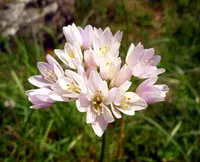
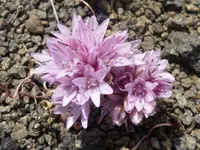
Rosy garlic (Allium roseum) is a small bulbous perennial in the onion family, grown mainly for its soft pink, star-shaped flower clusters. It typically forms clumps of narrow, grassy leaves and slender stems topped with loose, airy umbels that add a light texture to borders and rock gardens.
This species is native to Mediterranean regions, where it grows in dry, sunny habitats with well-drained soil. It is generally easy to grow and naturalizes slowly when given sun and soil that does not stay wet, which helps explain how to care for rosy garlic in typical garden settings.

Care Difficulty
Easy Care

Light Preference
Full Sun

Water Requirements
Low Water

Temperature Preference
Cold Hardy

Hardiness Zone
6–10

Soil Texture
Sandy, Loamy, Rocky

Soil pH
Slightly acidic (6.5–7.0), Slightly alkaline (7.0–7.5)

Soil Drainage
Well-drained

Fertilization
Minimal (feed rarely)
Scan your plant to receive care tips personalized for your specific plant
Available on iOS and Android
Allium roseum grows best in bright, open positions with plenty of direct light.
Allium roseum prefers infrequent, deep watering and dislikes waterlogged soil.
This bulb prefers temperate to warm conditions and tolerates notable winter cold once established.
Humidity is rarely critical for Allium roseum, which thrives in dry, airy conditions.
Allium roseum performs best in light, sharply drained soil that stays relatively dry between waterings.
This species is suitable for container growing if the pot drains rapidly and does not stay wet for long periods.
This bulb needs only light feeding in reasonably fertile soil, so use fertilizer sparingly for healthy growth of rosy garlic.
Pruning needs for Allium roseum are minimal and mainly focus on cleanliness and appearance.
This species is usually grown in the ground, with transplanting focused on dividing and spacing bulbs rather than frequent repotting.
Propagation of Allium roseum is straightforward and most often done by bulb division, with seed used for slower increase.
This bulb is generally cold hardy in much of the US and usually needs only modest winter care in open ground.

Plant Health Check
Not sure what's wrong with your plant? Check your plant's health inside the app.
The flowers form in loose, umbrella-like clusters with each floret held on a long, slender stalk, giving the inflorescence a soft, airy appearance quite different from the dense globes of many other ornamental alliums.
Crushed leaves and bulbs release a light garlic scent, but the odor is noticeably weaker than culinary garlic, which makes this species more acceptable in ornamental borders and mixed plantings.
This species is naturally distributed around the Mediterranean Basin, especially in coastal and dry, rocky habitats, where it has adapted to winter rainfall and hot, dry summers.

In parts of its native Mediterranean range, this species has escaped into disturbed sites such as roadside banks and field margins, where its ability to reproduce both by seed and by bulbs allows it to form stable, self-sustaining colonies over time.
Lack of flowers usually comes from insufficient sunlight, overcrowded bulbs, or bulbs that were planted too shallow or too deep. Nutrient-poor or very rich, nitrogen-heavy soil can also reduce flowering. Allow foliage to mature fully after bloom to recharge bulbs.
Keep your plants happy and healthy with plant identification, disease detection, and easy care guidance.