Bulb clump division
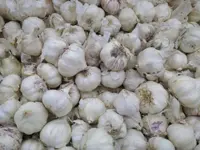
Lift and divide crowded clumps every 3–5 years in late summer after foliage dies back, replanting only the firm, healthy bulbs to maintain flowering density and reduce disease pressure.

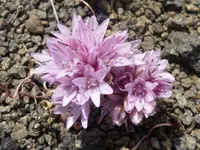
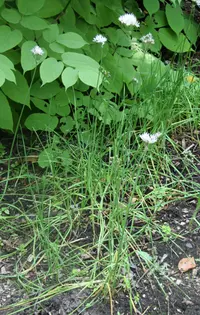
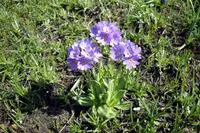
Allium parvum, often called small onion, is a compact, bulb-forming perennial in the onion family. It stays low to the ground and forms small clumps. Leaves are narrow, grass-like, and often appear with delicate, star-shaped pink to lavender flowers on short stalks. This gives the plant a neat, tidy look in rock gardens or troughs. In nature, it occurs in dry, open mountain habitats of western North America, often in rocky or gravelly soils. It generally prefers bright light, good drainage, and moderate moisture. Its tolerance of poor, lean soils makes it relatively undemanding, so many gardeners find it straightforward to care for small onion.

Care Difficulty
Moderate Care

Light Preference
Full Sun

Water Requirements
Low Water

Temperature Preference
Cold Hardy

Hardiness Zone
3–8

Soil Texture
Sandy, Loamy, Rocky

Soil pH
Slightly acidic (6.5–7.0), Neutral (7.0)

Soil Drainage
Well-drained

Fertilization
Minimal (feed rarely)
Scan your plant to receive care tips personalized for your specific plant
Available on iOS and Android
This mountain-dwelling onion prefers bright, open conditions that mimic its native rocky slopes.
This bulb prefers drier, well-drained conditions and is sensitive to excess moisture around the roots.
This species is adapted to cold, high-elevation climates with cool growing seasons and dry summers.
Humidity is rarely a concern for Allium parvum, which is adapted to dry, open habitats.
Allium parvum needs lean, mineral, sharply drained soil that dries quickly after watering.
This species can be grown successfully in containers when drainage and depth are managed carefully.
Allium parvum is a small onion adapted to lean soils and needs only light feeding in cultivation.
Allium parvum needs minimal pruning, focused on cleanliness and seed control rather than shaping.
This species is usually grown in rock gardens or in-ground beds, so management focuses on gentle transplanting rather than frequent repotting.
Allium parvum is most often propagated by bulb division, with seed used mainly for larger-scale or specialist growing.
Allium parvum is cold hardy in most temperate climates and generally needs little specific winter care.

Plant Health Check
Not sure what's wrong with your plant? Check your plant's health inside the app.
This small onion naturally occurs in dry, open habitats of western North American mountains, often between roughly 1,000–3,000 m, where it tolerates intense sun, thin soils, and late-melting snow patches.
Its pale pink to lavender flowers have darker-colored midribs on each tepal, creating a clear striped look that helps distinguish it from other small alpine alliums.
The plant forms tiny bulbs and very short, narrow leaves, an adaptation that reduces water loss and damage from cold, dry winds in its subalpine and alpine environments.

Allium parvum often flowers very soon after snowmelt, timing its brief blooming period to match the short alpine growing season and the activity peaks of early-season pollinators at high elevations.
Lack of flowers often comes from insufficient cold in winter, too much shade, or overly rich, wet soil. This alpine species needs a cool dormant period, strong light, and relatively lean, gritty substrate to form buds.
Keep your plants happy and healthy with plant identification, disease detection, and easy care guidance.