Use Pasteurized Substrate
Prepare bulk substrate by heating it to 60–70°C for 60–90 minutes to reduce competing fungi and bacteria while still leaving some beneficial microbes to support strong colonization.


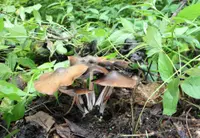
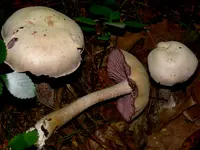
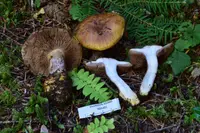
Poplar fieldcap, Cyclocybe cylindracea, is a wood-loving mushroom rather than a leafy plant. It typically grows in clusters on dead or living poplar, willow, or other hardwoods. Caps are light brown to tan, often slightly sticky when fresh, with sturdy pale stems and crowded gills underneath. In nature it occurs in temperate regions, especially in Europe and parts of North America, often appearing in warm, moist seasons. This species is generally considered an edible mushroom, but correct identification is essential before any use. For those who want to care for Poplar Fieldcap in cultivation, it favors consistently moist, woody substrates and sheltered, humid conditions rather than direct sun.

Care Difficulty
Hard Care

Light Preference
Partial Shade

Water Requirements
Keep Soil Moist

Temperature Preference
Warm Climate

Hardiness Zone
Unknown

Soil Texture
Loamy, Organic-rich

Soil pH
Slightly acidic (6.5–7.0)

Soil Drainage
Moist but well-drained

Fertilization
Minimal (feed rarely)
Scan your plant to receive care tips personalized for your specific plant
Available on iOS and Android
Cyclocybe cylindracea prefers bright, gentle light that mimics dappled woodland or riverside conditions.
Moist, evenly damp substrate is critical for reliable fruiting and mycelium health.
Stable, mild temperatures support strong mycelial growth and consistent fruiting.
This species benefits from moderately moist air when cultivated for fruiting.
For cultivation, this fungus prefers loose, organic-rich substrate with steady moisture and rapid drainage.
This species can be grown in containers when substrate depth and drainage are managed carefully.
Cyclocybe cylindracea grown for substrate-based production benefits from modest, well-timed feeding rather than heavy fertilization.
Cyclocybe cylindracea does not require conventional pruning, but limited sanitation cutting helps keep crops clean and productive.
This fungus is usually managed by renewing or relocating its substrate rather than classic repotting.
New Cyclocybe cylindracea cultures are created mainly from spawn production rather than traditional plant-style propagation.
Outdoor culture of this fungus usually tolerates cool conditions but suffers in prolonged hard freezes without some protection.

Plant Health Check
Not sure what's wrong with your plant? Check your plant's health inside the app.
This species typically fruits on dead or dying wood of poplar and related broadleaf trees, which is why it is often found in riverside poplar plantations and riparian zones.
It commonly appears in late spring to autumn in temperate climates, often fruiting in dense clusters when many other wood-decaying mushrooms are past their peak.
For many years it was classified in the genus Agrocybe, but molecular studies of DNA sequences led mycologists to move it into the genus Cyclocybe to reflect its distinct evolutionary lineage.

In several Mediterranean countries this mushroom is cultivated commercially for food and is valued for its firm texture and mild, nutty flavor, making it a regional alternative to more globally known cultivated mushrooms.
This mushroom is considered edible when correctly identified and cooked, with a mild, nutty flavor. It must never be eaten raw, and accurate identification is essential to avoid confusion with potentially harmful look‑alike species.
Keep your plants happy and healthy with plant identification, disease detection, and easy care guidance.