Hawai'i hawthorn Care (Osteomeles anthyllidifolia)

Also known as: ʻŪlei, Hawaiian rose
Hawai'i hawthorn

About Hawai'i hawthorn

Hawai'i hawthorn, Osteomeles anthyllidifolia, is a tough, small shrub or sprawling small tree native to dry and coastal habitats across the Hawaiian Islands. It often grows on rocky slopes, lava flows, and coastal cliffs, forming a dense, finely branched structure.

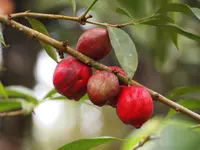
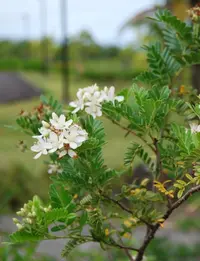
The plant carries small, leathery leaves and clusters of white flowers that develop into small, pale fruits that attract birds. Its natural tolerance of wind, salt spray, and poor, shallow soils makes it well suited to exposed landscapes.

For gardeners who want to care for Hawai'i hawthorn, its drought tolerance and slow to moderate growth make it relatively low-maintenance, provided it receives sun, good drainage, and not overly wet conditions.

Main Plant Requirements

Care Difficulty

Easy Care

Light Preference

Full Sun

Water Requirements

Low Water

Temperature Preference

Warm Climate

Hardiness Zone

10–12

Soil Texture

Sandy, Loamy, Rocky

Soil pH

Slightly acidic (6.5–7.0), Neutral (7.0)

Soil Drainage

Well-drained

Fertilization

Minimal (feed rarely)

Get Personalized Care Plan

Scan your plant to receive care tips personalized for your specific plant

Available on iOS and Android

How to Care for the Hawai'i hawthorn

This coastal shrub prefers bright, direct exposure but adapts to slightly shadier sites.

  • Provide 6–8 hours of direct sun daily; full sun promotes dense growth and more flowers on Hawai'i hawthorn.
  • Accepts light partial shade, especially with morning sun and dappled afternoon light, but dense shade causes leggy stems and sparse blooming.
  • In very hot, exposed sites, especially on dark rock or pavement, give some afternoon shade to reduce leaf scorch during summer months.

This drought-tolerant shrub prefers thorough, infrequent watering in fast-draining soil.

  • Outdoors in the ground, water deeply only when the top 5–8 cm of soil is dry; established plants often need no irrigation in areas with regular rainfall.
  • Use gritty, well-drained soil; standing water, sour smell, yellowing leaves, or soft stems indicate overwatering and root stress in Osteomeles anthyllidifolia.
  • Crisp, browning leaf edges and premature leaf drop during hot, dry periods signal underwatering; respond with a slow, deep soak rather than frequent shallow splashes.

This species is adapted to warm, coastal climates with mild temperature swings.

  • Ideal growth occurs around 65–85°F (18–29°C), typical of lowland tropical and subtropical conditions.
  • Tolerates brief dips near 40°F (4°C) but is damaged by frost; protect or avoid planting in locations that regularly fall below 32°F (0°C).
  • Handles dry heat up to about 90–95°F (32–35°C) if soil is not waterlogged; increased air movement and mulch help the root zone stay stable through summer.

This species handles relatively dry air but grows best with moderate, stable humidity.

  • Aim for 40–60% humidity, which suits both Osteomeles anthyllidifolia and other dry-tolerant coastal shrubs.
  • Tolerates brief drops to 30%, but prolonged very dry indoor air may cause crisp leaf edges and slow new growth.
  • Increase humidity only if leaves scorch by grouping plants or placing a shallow water tray nearby, without wetting the roots.

This coastal shrub prefers lean, fast-draining soil that mimics rocky or sandy habitats.

  • Use a sandy or gritty loam with 30–50% coarse material such as pumice, perlite, or sharp sand for strong drainage.
  • In containers, combine roughly 2 parts commercial potting mix with 1 part coarse sand and 1 part fine gravel to improve aeration.
  • Target slightly acidic to neutral pH, around 6.0–7.5, which supports nutrient uptake without encouraging excess softness in stems.
  • Avoid heavy clay, waterlogged areas, or dense organic mixes that stay wet for more than 1–2 days after watering.

This species is suitable for container growing, especially for patios and small outdoor spaces.

  • Choose a wide, heavy pot to anchor its spreading, woody growth and prevent tipping in strong wind.
  • Use a deep container that allows a sturdy root system to form, which increases drought tolerance between waterings.
  • Select thicker-walled ceramic or clay over thin plastic in hot climates to reduce rapid overheating and moisture swings.

This tough native shrub needs only light feeding when grown in poor or very sandy soils.

  • Use a balanced, slow-release fertilizer (around 10-10-10) or a thin layer of compost in early spring for Hawai'i hawthorn.
  • Feed once at the start of the growing season; a second light application in midsummer is enough in nutrient-poor sites.
  • Apply at half the labeled strength, keeping granules off stems and trunk to avoid burn.
  • Stop feeding in late summer so new growth can harden before cooler weather.

Pruning helps maintain structure and flowering performance in Osteomeles anthyllidifolia shrubs.

  • Carry out main pruning in late winter to early spring, before strong new growth starts.
  • Remove dead, diseased, or storm-damaged wood first, then thin crowded interior branches for better light and airflow.
  • Shorten overly long shoots to shape the shrub, keeping a natural, informal outline.
  • Use clean, sharp bypass pruners and make angled cuts just above outward-facing buds or side branches.

This species is usually grown in the ground, so focus on careful transplanting rather than frequent repotting.

  • Look for slow growth, frequent wilting, or roots circling inside the planting hole or container as signs it needs more space.
  • Transplant in late winter to early spring or in cool fall weather, avoiding hot, dry periods.
  • Move shrubs only every several years, choosing a sunny, well-drained site with similar soil conditions.
  • Dig a wide root ball, replant at the same depth, water thoroughly, and keep soil evenly moist until new growth shows.

Osteomeles anthyllidifolia is commonly propagated from semi-hardwood cuttings and seeds.

  • Take semi-hardwood cuttings in late summer, 8–12 cm long, from healthy, non-flowering shoots.
  • Remove lower leaves, dip the base in rooting hormone, and place cuttings in a moist, well-drained, gritty mix under bright, indirect light.
  • Keep humidity high and temperature around 70–80°F until roots form, then harden plants off gradually outdoors.
  • For seeds, sow fresh seed in a free-draining mix, keep lightly moist, and allow time for slow, uneven germination.

In mild, frost-free climates this shrub typically needs minimal winter care.

  • In areas with occasional light frost, add a 5–8 cm mulch layer over the root zone, keeping mulch slightly away from the stem.
  • Container plants in cooler regions can be shifted to a sheltered porch or unheated greenhouse during cold snaps.
  • Avoid heavy winter watering; keep soil barely moist but never waterlogged to reduce root rot risk.

Care Tips

Wind-shaping young plants

In windy coastal sites, stake young shrubs loosely and remove stakes gradually over 1–2 years so the wood hardens in the direction of prevailing winds and resists breakage later.

Root-zone mulching

Apply a 5–8 cm layer of coarse organic mulch in a wide ring away from the main stems to reduce soil temperature swings and protect the fine feeder roots that this species produces near the surface.

Salt-spray management

In exposed seaside locations, lightly hose foliage with fresh water every few weeks during dry periods to reduce accumulated salt and prevent marginal leaf burn.

Low-maintenance hedging

When using this shrub as a low hedge, tip-prune only the outer 5–10 cm of new growth 2–3 times per year to keep a dense form without stressing the plant with heavy shearing.

Wildlife and erosion use

On slopes, plant in staggered rows and allow some natural spreading so the woody root system knits the soil together while dense branching offers habitat, which is useful when growing Hawai'i hawthorn for restoration-style plantings.

Common Pests and Diseases

Hawaiian cotton aphid

This pest feeds on young shoots and leaf undersides, causing curling, distortion, and sticky honeydew that can lead to sooty mold on shrubs in coastal and lowland sites.

Solution

Rinse colonies off with a firm stream of water, then introduce or conserve natural predators such as lady beetles where possible; for heavier infestations, use insecticidal soap or horticultural oil, making sure to coat the leaf undersides and repeat every 7–10 days until populations drop.

Chinese rose beetle

This pest chews irregular holes and notches in leaves, sometimes leaving only the main veins on young or exposed plants, especially at night.

Solution

Hand-pick beetles in the evening using a flashlight and drop them into soapy water, reduce bright exterior lights that attract adults, and protect young plants with fine mesh or row cover at night; in severe cases, apply an appropriate contact insecticide to foliage in the late afternoon following local extension recommendations for Osteomeles anthyllidifolia care.

Black twig borer

This insect bores into small twigs and stems, causing sudden wilting, dieback, and tiny entry holes often surrounded by dark staining on branches.

Solution

Prune and destroy infested twigs at least 5–8 cm below the visible entry hole, disinfect pruning tools between cuts, and keep plants vigorous with proper watering and balanced nutrition so new, healthy shoots can replace damaged wood; avoid leaving cut branches on the ground, as they can harbor developing beetles.

Sooty mold

This disease appears as a black, soot-like coating on leaves and stems that grows on honeydew excreted by sap-feeding insects, reducing photosynthesis and giving the plant a dirty appearance.

Solution

Control underlying sap-feeding pests such as aphids or scale, then gently wash affected foliage with water and a mild, diluted soap solution to remove the mold; improve airflow and light exposure so leaves dry quickly after rain or irrigation.

Leaf spot fungus

This disease causes small brown to dark-purple spots on leaves that may enlarge, sometimes leading to premature yellowing and leaf drop on stressed plants in humid or rainy conditions.

Solution

Remove and dispose of heavily spotted leaves, avoid overhead watering, and space plants so air can move freely through the canopy; during extended wet periods, a labeled copper or other fungicide can be applied according to local guidelines if leaf loss becomes significant.

Interesting Facts

Native lava specialist

This shrub naturally colonizes young lava flows and rocky coastal slopes in Hawaiʻi, where its deep, fibrous roots anchor it in porous, nutrient-poor volcanic substrates and help stabilize loose rock and soil.

Bird-dispersed drupes

Its small white fruits are drupes that are eaten by native birds such as Hawaiian thrushes, which then disperse the seeds across harsh coastal and dry forest habitats.

Culturally valued wood

Traditional Hawaiian crafts used its very hard, fine-grained wood for making small tools and implements, reflecting its toughness and slow, dense wood formation in exposed coastal environments.

Botan icon

Did you know?

This species is one of the few shrubs in dry coastal Hawaiʻi that can flower and fruit throughout much of the year under favorable conditions, providing an unusually consistent nectar and fruit resource for native insects and birds in otherwise seasonally harsh habitats.

FAQs about Hawai'i hawthorn

This species is evergreen in frost-free, subtropical to tropical climates, retaining foliage year-round. In cooler or marginal areas, growth may slow and some leaf drop can occur, but plants usually stay leafy rather than fully deciduous.

Grow Healthy Plants with Botan Care

Keep your plants happy and healthy with plant identification, disease detection, and easy care guidance.

Botan plant care app — identify plants on mobile

Explore More Plants