Ooray Care (Davidsonia pruriens)

Also known as: Davidson's plum, Queensland Davidson's plum
Ooray

About Ooray

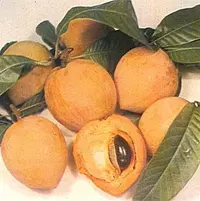
Ooray, or Davidson plum, is an evergreen rainforest tree native to coastal Queensland rainforests in Australia. It is grown mainly for its dark purple, very sour, edible fruit used in cooking and preserves.

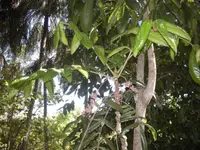
Davidsonia pruriens forms a narrow, upright crown with large, divided leaves that give it a slightly tropical, fernlike look. In suitable climates it can reach small-tree size but is often kept more compact in gardens.

This species prefers mild, frost-free conditions, consistent moisture, and rich, well-drained soil. It can tolerate partial shade but fruits best with good light.

It is not the easiest backyard fruit tree, as it dislikes drought, poor drainage, and strong dry winds. Understanding how to care for Ooray helps keep it healthy and productive.

Main Plant Requirements

Care Difficulty

Moderate Care

Light Preference

Partial Shade

Water Requirements

Keep Soil Moist

Temperature Preference

Tropical / Frost Sensitive

Hardiness Zone

11–12

Soil Texture

Loamy, Sandy, Organic-rich

Soil pH

Strongly acidic (4.5–5.5), Acidic (5.5–6.5)

Soil Drainage

Moist but well-drained

Fertilization

Minimal (feed rarely)

Get Personalized Care Plan

Scan your plant to receive care tips personalized for your specific plant

Available on iOS and Android

How to Care for the Ooray

This subtropical fruit tree prefers bright, gentle light similar to a light forest edge.

  • Provide 3–5 hours of soft morning sun with dappled or filtered shade through midday and afternoon to protect foliage.
  • Site Ooray where it receives partial shade, especially in hot climates, since harsh afternoon sun can scorch leaves and dry soil too fast.
  • In summer, increase protection from direct sun if leaf edges yellow or crisp; in cooler months, allow a bit more direct light to support flowering and fruiting.

This rainforest species needs consistently moist but not waterlogged soil.

  • For Davidsonia pruriens in the ground, water deeply when the top 3–5 cm of soil feels barely damp, aiming for thorough soaking rather than light sprinkling.
  • Improve drainage with organic matter and slightly sloping ground so water does not pool around roots, which can lead to root rot and sour smells.
  • In hot, dry periods, increase frequency if leaves droop or curl; reduce in cooler or rainy seasons and watch for yellowing, mushy roots as overwatering signs.

This species thrives in warm, frost-free, subtropical conditions.

  • Aim for 65–82°F (18–28°C) for steady growth, with best performance toward the upper half of this range in humid climates.
  • Protect from temperatures below 40°F (4°C); foliage is damaged near this point and the plant is usually killed by frost or freezes.
  • During hot spells above 90°F (32°C), provide extra shade, mulch, and soil moisture to limit heat stress and leaf scorch, especially on young plants.

This rainforest fruit tree needs consistently high humidity to grow well in cultivation.

  • Aim for 60–80% humidity, since prolonged exposure below 50% causes slow growth and leaf-edge browning.
  • In dry indoor air, use a humidifier or grouped plants near a pebble tray rather than misting, which has only short-lived effects.
  • Watch for curling leaves, crispy tips, and stalled new growth as signs Ooray is stressed by air that is too dry.

This species prefers deep, moist, well-drained soil with high organic content to support steady growth and fruiting.

  • Use a loamy mix with 40–50% composted organic matter, 30–40% garden loam, and 10–20% coarse sand or fine bark for structure.
  • Ensure fast drainage so water drains in under 1 minute from the pot or planting hole, preventing root suffocation and fungal rot.
  • Keep pH slightly acidic at 5.5–6.5; incorporate pine bark fines or acidic compost if soil tests neutral or alkaline.
  • Avoid heavy clay that compacts when wet; improve aeration by blending in coarse sand, fine gravel, or perlite before planting Davidsonia pruriens.

This tree can be grown in large containers for some years if moisture and stability are carefully managed.

  • Choose a deep, wide container to allow a strong lateral root system, which helps anchor the upright canopy in wind.
  • Select a heavier material such as ceramic or concrete so the container resists tipping as the top growth becomes denser.
  • Raise the pot slightly on feet or bricks so drainage holes stay clear and excess water exits quickly after heavy watering or rain.

Davidsonia pruriens benefits from light, steady nutrition but is sensitive to overfeeding.

  • Use a balanced slow-release fertilizer (for example 8-8-8 or 10-10-10) or well-rotted compost at the start of spring.
  • Apply fertilizer at half the label rate during the main growing season, 1–2 times per year for Ooray in fertile soil.
  • In poorer soils, supplement with a light liquid feed at 1/2 strength every 4–6 weeks in warm months.
  • Stop feeding in late fall and winter to avoid soft, frost-tender growth and nutrient waste.

Pruning Davidsonia pruriens is mainly about maintaining structure and removing weak growth.

  • Carry out light pruning in late winter or early spring before vigorous new growth starts.
  • Remove dead, diseased, crossing, or storm-damaged branches with sharp bypass pruners or a clean pruning saw.
  • Thin crowded interior shoots to improve airflow and light penetration while keeping the natural upright form.
  • Limit heading cuts; shorten only overly long branches to guide shape without triggering dense, weak regrowth.

This species is usually grown in the ground, so focus on careful transplanting of young trees.

  • Transplant in late winter or early spring when growth is slow and temperatures are mild.
  • Look for roots circling the pot, water running straight through, or stalled growth as signs a container plant needs more space.
  • Shift young trees to a container or site only 1–2 sizes larger, keeping the root ball intact and avoiding major root disturbance.
  • Water deeply after planting, shade from harsh sun for 1–2 weeks, and maintain even moisture to reduce transplant shock.

Propagation of Davidsonia pruriens is possible but slower and usually done from seed.

  • Collect ripe fruit, clean seeds, and sow them fresh in spring in a well-drained, slightly acidic seed mix.
  • Provide warm conditions around 70–80°F, consistent moisture, and bright shade to support germination.
  • Use deep trays or pots so the developing taproot is not restricted, reducing later transplant shock.
  • Stem cuttings are less reliable but may root in warm, humid conditions using semi-ripe wood and a free-draining medium.

This subtropical species has low frost tolerance and needs considered winter care in cooler regions.

  • In ground, add a 5–10 cm layer of organic mulch around the root zone in late fall, keeping it clear of the trunk.
  • In areas with light frosts, use frost cloth or breathable covers on young trees during predicted cold nights.
  • Grow container plants in large pots and move them indoors or into a frost-free greenhouse when temperatures near 32°F.

Care Tips

Mulch For Roots

Apply a 5–8 cm layer of coarse organic mulch around the root zone, keeping it 5–10 cm away from the stem, to keep the shallow roots cool, reduce moisture swings, and protect the soil structure in warm climates.

Fruit Load Management

Thin crowded fruit clusters early by removing the smallest or damaged fruits so the remaining fruit develops better size and quality and the branches are not stressed or broken by excess weight.

Wind And Shade Structure

Install shade cloth or plant near a windbreak to shield the canopy from hot, dry winds and harsh afternoon sun, which reduces leaf scorch and moisture loss in young plants.

Understory Companions

Plant low, non-competitive groundcovers beneath the canopy to cool the soil surface and reduce weed pressure while still allowing good airflow around the base.

Harvest And Hygiene

Pick fruit promptly once ripe and remove fallen fruit and leaf litter from around the base to reduce fungal disease pressure and discourage fruit-feeding pests when growing Ooray.

Common Pests and Diseases

Queensland fruit fly

This pest lays eggs in soft, ripening fruit, causing small puncture marks that lead to brown, watery, and collapsing flesh around the seed area.

Solution

Bag developing fruit with fine mesh or paper exclusion bags, collect and destroy all fallen or infested fruit, and use bait traps placed outside the canopy to reduce adult numbers; in home gardens, physical exclusion and strict hygiene are usually more effective and safer than chemical options when caring for Ooray.

Fruit-piercing moth

These insects pierce ripening fruit at night, leaving small but deep holes that ooze juice and quickly attract secondary rots and insects.

Solution

Use fine insect mesh or fruit bags over clusters, harvest fruit promptly once they reach full color, and remove nearby alternative host plants with soft night-ripening fruit; in high-pressure areas, bright light traps placed away from the tree can help draw moths away from the crop.

Scale insects

These insects attach along stems and leaf midribs, appearing as small dome-shaped bumps that excrete sticky honeydew, which often leads to black sooty mold on leaves and fruit.

Solution

Prune and discard heavily infested twigs, then wash remaining stems and leaves with a mild insecticidal soap or horticultural oil, ensuring thorough coverage of the undersides; encourage natural predators by avoiding broad-spectrum insecticides and keeping the plant well watered and unstressed.

Anthracnose

This disease causes dark, sunken lesions on young shoots, leaves, and fruit, sometimes leading to tip dieback and blemished or prematurely dropping fruit in humid weather.

Solution

Prune to open the canopy and improve airflow, remove and dispose of infected leaves and fruit, avoid overhead watering, and apply a copper-based fungicide preventively at the start of wet, warm periods if the plant has a history of recurring infections.

Phytophthora stem canker

This disease produces dark, water-soaked lesions at the base of stems or on lower trunks, sometimes with gumming or exudate, and can lead to yellowing foliage and decline in poorly drained sites.

Solution

Improve drainage around the plant, avoid soil mounding against the stem and overwatering, remove affected bark back to healthy tissue where practical, and in high-value specimens consider a phosphite (phosphorous acid) trunk spray or soil drench according to label directions to suppress further spread.

Interesting Facts

Ancient rainforest relic

This species is a relict tree from Australian subtropical rainforests, now restricted mainly to cool, high-rainfall mountain gullies and slopes in northeastern Queensland.

Naturally sour rainforest fruit

The dark purple drupes are strongly acidic, with a tart, cranberry-like flavor that makes them valued for sauces, jams, and specialty products rather than for eating fresh.

Low commercial yield

The tree fruits irregularly, is slow to establish, and produces relatively small crops, which has limited large-scale orchard adoption despite strong interest in its bushfood potential.

Botan icon

Did you know?

Davidsonia pruriens is one of only three recognized Davidsonia species, all endemic to eastern Australia, and its conservation has benefited from small-scale cultivation to reduce harvesting pressure on wild rainforest populations.

FAQs about Ooray

The dark purple fruits are edible and strongly acidic, often used in sauces, jams, and beverages rather than eaten fresh. The skin and pulp are both usable once fully ripe and clean, with no known major toxicity issues.

Grow Healthy Plants with Botan Care

Keep your plants happy and healthy with plant identification, disease detection, and easy care guidance.

Botan plant care app — identify plants on mobile

Explore More Plants