rayan Care (Manilkara hexandra)

rayan

About rayan

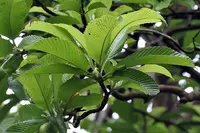
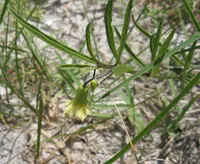
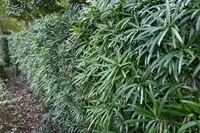
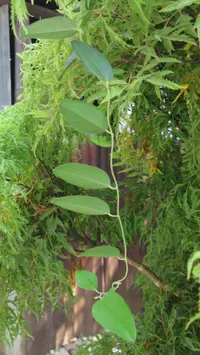
Manilkara hexandra, commonly called rayan or khirni, is a slow-growing evergreen tree from the sapodilla family. It forms a dense, rounded crown with thick, glossy leaves. Bark is usually grayish and flaky, and mature trees can become quite large in suitable climates.

This species is native to dry and semi-dry regions of South Asia, where it tolerates heat and seasonal drought. It prefers full sun, well-drained soil, and moderate moisture, which makes outdoor cultivation easier in warm climates. With its sturdy nature and relatively low maintenance needs, it can be manageable for growers who understand how to care for rayan.

Main Plant Requirements

Care Difficulty

Moderate Care

Light Preference

Full Sun

Water Requirements

Moderate Water

Temperature Preference

Tropical / Frost Sensitive

Hardiness Zone

10–12

Soil Texture

Sandy, Loamy, Organic-rich

Soil pH

Slightly acidic (6.5–7.0), Neutral (7.0)

Soil Drainage

Well-drained

Fertilization

Minimal (feed rarely)

Get Personalized Care Plan

Scan your plant to receive care tips personalized for your specific plant

Available on iOS and Android

How to Care for the rayan

Manilkara hexandra prefers strong light in warm, open sites but needs some protection from extreme afternoon sun in very hot climates.

  • Provide 6–8 hours of direct sun daily; morning sun with light afternoon shade reduces leaf scorch in young rayan trees.
  • Mature trees tolerate full sun all day, but in regions above 95°F (35°C), use nearby taller plants or structures to filter harsh late-afternoon rays.
  • In cooler seasons, maximize exposure by avoiding shade from buildings or dense trees, since prolonged low light slows growth and reduces flowering.

Manilkara hexandra is drought-tolerant once established but benefits from steady, moderate soil moisture.

  • Allow the top 5–8 cm of soil to dry between waterings; check by inserting a finger or small trowel, then apply a deep soak rather than light splashes.
  • In the first 2–3 years, watch for limp, curling, or dull leaves as a sign of underwatering, and yellowing leaves or soggy soil as signs of overwatering.
  • Plant in well-drained, sandy or loamy soil; avoid low spots where water stands for more than 24 hours, especially during heavy monsoon or summer storms.

This species thrives in consistently warm, frost-free climates and does poorly in prolonged cold.

  • Optimal growth occurs around 70–90°F (21–32°C); young trees establish best when average temperatures stay in this range during the growing season.
  • Manilkara hexandra tolerates brief drops near 40°F (4°C) but is sensitive to frost; repeated exposure below 35°F (2°C) can damage leaves and young wood.
  • Heat tolerance is high up to about 100°F (38°C) if soil moisture is maintained; in hotter spells, mulch the root zone to buffer extreme temperature swings.

Manilkara hexandra handles a wide humidity range but benefits from moderately moist air in dry climates.

  • Aim for 40–60% humidity, which is comfortable for most homes and suitable for rayan growth.
  • Leaves curling at the edges or browning tips during hot, dry periods indicate humidity stress rather than underwatering.
  • Use grouped plantings, a nearby humidifier, or a wide pebble tray with water under outdoor tubs in arid regions to raise local humidity.

Manilkara hexandra prefers well-structured, free-draining mineral soils that still retain moderate moisture.

  • Use a sandy-loam mix with 40–60% coarse sand, 20–30% loam or compost, and the rest fine gravel to balance drainage and water holding.
  • Keep pH slightly acidic to neutral, around 6.0–7.5, as strongly alkaline soil can limit nutrient availability and slow growth.
  • In heavy or compacted ground, incorporate coarse sand and fine gravel through the top 30–40 cm to improve aeration and root penetration.
  • Avoid waterlogged, clay-dominant sites or soil mixes high in peat that stay wet for long periods, since roots are sensitive to low oxygen.

This species can be grown in large, sturdy containers when given ample root volume and strong drainage.

  • Choose a deep, heavy pot that resists tipping, since the woody canopy becomes dense and increases wind leverage.
  • Use wide drainage holes covered with mesh or coarse shards so fast outflow does not wash the mix out of the container.
  • Position tall containers in sheltered spots where wind exposure is reduced, improving stability for the developing tree.

Manilkara hexandra is slow-growing and modest in nutrient demand, so light, consistent feeding is sufficient for healthy growth.

  • Use a balanced NPK granular or slow-release fertilizer, or a thin layer of well-rotted compost over the root zone.
  • Feed lightly 1–2 times during the warm growing season, avoiding heavy applications that can cause soft, weak growth.
  • Apply fertilizers at half the label strength, keeping them off the trunk and watering in thoroughly after application.
  • Stop feeding in late fall and avoid winter applications, as the tree’s growth rate slows and excess nutrients may accumulate.

Manilkara hexandra benefits from light, structured pruning to maintain a sound framework and remove weak wood.

  • Schedule main pruning in late winter or very early spring, before new growth begins.
  • Remove dead, diseased, crossing, or crowded branches first to improve airflow and reduce pest and disease pressure.
  • Use clean, sharp bypass pruners or a pruning saw, making smooth cuts just outside the branch collar.
  • Limit canopy reduction to small amounts each year to preserve the tree’s natural form and stable structure.

This species is usually grown as a field or landscape tree, so management focuses on careful transplanting rather than frequent repotting.

  • Move young trees during late winter or early spring, when temperatures are mild and active growth is about to start.
  • Transplant if growth is stunted, the root ball is densely circling in the container, or the tree becomes unstable in wind.
  • Dig a wide planting hole, preserving as much of the root ball as possible to reduce disturbance and transplant shock.
  • Water deeply after planting, maintain even soil moisture, and shade the canopy lightly for a few weeks to ease root recovery.

Propagation of Manilkara hexandra is typically done by seed and requires patience due to slow germination and growth.

  • Collect fully ripe fruits, clean seeds, and sow them in late spring in a free-draining, slightly sandy mix.
  • Provide warm conditions of 75–85°F, consistent moisture, and bright, indirect light to support germination.
  • Use bottom heat if available and keep the medium just moist, not waterlogged, to prevent fungal problems.
  • Semi-hardwood cuttings are possible but slow; use rooting hormone and high humidity to encourage root formation.

This tropical to subtropical tree is not frost hardy and needs simple, consistent measures in cooler climates.

  • In regions with mild winters above about 40°F, in-ground trees usually need only normal watering adjustments.
  • In colder areas, grow Manilkara hexandra in large containers and move them indoors or into a heated greenhouse before frost.
  • Mulch the root zone with 5–8 cm of organic material, keeping it slightly away from the trunk to buffer soil temperature.

Care Tips

Early framework training

During the first 3–4 years, select 3–5 well-spaced scaffold branches and remove competing shoots to build a strong, open canopy that can support heavy future fruit loads.


Fruit load management

Thin young fruit where clusters are dense so that remaining fruits are spaced 10–15 cm apart, which reduces limb breakage and improves individual fruit size and quality.

Wind and stake support

In windy sites, use a sturdy stake for young trees and a loose, flexible tie at 2–3 points on the trunk to prevent rocking that can damage new roots and destabilize the tree.

Mulch for root zone

Apply a 5–8 cm layer of coarse organic mulch around but not touching the trunk to keep surface roots cooler, suppress weeds, and maintain more even soil moisture during hot periods.

Preventive trunk protection

On exposed sites, wrap young trunks with a breathable tree guard or use a light-reflective paint on the lower trunk to reduce sunscald and bark cracking when growing rayan in very hot climates.

Common Pests and Diseases

Leaf webber larvae

This pest feeds on young leaves and shoots, often tying them together with silk and leaving skeletonized foliage and distorted new growth.

Solution

Prune and destroy infested shoots with webbing, then monitor for fresh damage and handpick visible larvae. For heavier infestations, use a targeted biological insecticide containing Bacillus thuringiensis (Bt) on young foliage and avoid broad-spectrum sprays that harm beneficial insects.

Scale insects

These insects attach to twigs, branches, and leaf undersides, sucking sap and causing yellowing, leaf drop, and sticky honeydew that can lead to sooty mold.

Solution

Wipe or gently scrub affected stems and leaves with a soft cloth dipped in mild soapy water, then rinse with clean water. For persistent colonies, apply a horticultural oil during mild weather, ensuring thorough coverage of bark and leaf undersides to smother the insects.

Leaf spot

This disease causes round to irregular dark brown spots on leaves, which may coalesce and lead to premature leaf drop, especially in humid conditions.

Solution

Remove and discard affected leaves and fallen debris to reduce spore levels, and avoid overhead watering so foliage dries quickly. In areas with repeated outbreaks, improve spacing and airflow around the tree and consider a copper-based fungicide at the start of warm, wet periods if local regulations allow.

Sooty mold

This disease appears as a black, soot-like coating on leaves and young stems, growing on the honeydew excreted by sap-sucking insects and reducing photosynthesis.

Solution

Address the underlying insect problem such as scale or aphids, then gently wash affected foliage with water to remove the fungal coating. Improve light and airflow around the canopy so surfaces dry faster and monitor closely for recurring honeydew and mold.

Interesting Facts

Exceptionally hard timber

The wood of this species is extremely dense and heavy, with very slow growth, which makes it valued locally for uses requiring high durability such as tool handles and heavy construction.

Salt-tolerant coastal tree

This tree often grows naturally along coastal areas and can tolerate saline conditions, which helps stabilize shorelines and support coastal ecosystems in parts of South and Southeast Asia.

Latex-producing sap

Like other members of the Sapotaceae family, it produces a white, latex-rich sap, a trait linked to herbivore defense and wound sealing in the bark and stems.

Botan icon

Did you know?

This species is one of the characteristic trees of the dry evergreen and dry deciduous forests of the Indian subcontinent, where its long-lived individuals can become important structural elements of the canopy and provide habitat and food for many birds and mammals through their dense foliage and small, fleshy fruits.

FAQs about rayan

The fruit is edible and commonly eaten fresh or used in local sweets. It has sweet, somewhat astringent pulp when fully ripe. Unripe fruits are tannic and not pleasant to eat and may cause mouth dryness.

Grow Healthy Plants with Botan Care

Keep your plants happy and healthy with plant identification, disease detection, and easy care guidance.

Botan plant care app — identify plants on mobile

Explore More Plants