Brandybush Care (Grewia flava)

Also known as: Velvet Raisin, Wild Raisin, Brandybush Grewia, Raisinbush, Raisintree, Velvet Raisinbush, Wild Currant, Wild Raisinbush
Brandybush

About Brandybush

Brandybush, Grewia flava, is a small, drought-tolerant shrub or multi-stemmed small tree from arid and semi-arid regions of southern Africa. It often forms a rounded, bushy shape with fine branches and small leaves.

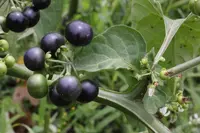
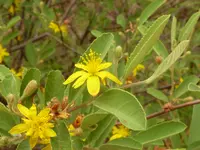
Yellow, star-shaped flowers are followed by distinctive, fleshy, often 4-lobed fruits that are eaten by wildlife and sometimes used locally as a wild fruit. Its natural habitat on dry, sandy or rocky soils makes it well suited to low-water gardens and xeriscapes.

This species prefers full sun, good drainage, and lean soils, which simplifies basic how to care for Brandybush guidelines for many warm-climate gardeners.

Main Plant Requirements

Care Difficulty

Easy Care

Light Preference

Full Sun

Water Requirements

Low Water

Temperature Preference

Warm Climate

Hardiness Zone

9–11

Soil Texture

Sandy, Loamy, Rocky

Soil pH

Slightly acidic (6.5–7.0), Neutral (7.0)

Soil Drainage

Well-drained

Fertilization

Minimal (feed rarely)

Get Personalized Care Plan

Scan your plant to receive care tips personalized for your specific plant

Available on iOS and Android

How to Care for the Brandybush

This sun-loving shrub thrives in bright, open positions typical of its native savanna habitats.

  • Provide 6–8 hours of direct sun daily; morning to early afternoon sun is ideal, with light afternoon shade in very hot summers.
  • Brandybush tolerates light or dappled shade for part of the day, but dense shade reduces flowering and leads to sparse, leggy growth.
  • In cooler seasons position it where low winter sun still reaches the plant, and avoid sites shaded by buildings or tall evergreens.

This drought-tolerant shrub prefers deep, infrequent watering once established.

  • Outdoors in the ground, water thoroughly only when the top 5–8 cm of soil are dry, allowing water to soak the full root zone, then drain away.
  • Use coarse, well-draining soil; on heavy clay, improve drainage with grit or sand to prevent prolonged saturation and root rot in Grewia flava.
  • In hot, dry periods, watch for limp, dulling leaves as a sign of underwatering; yellowing, soft leaves or cracking soil surface after rain suggest overwatering or poor drainage.

This species is adapted to warm, semi-arid climates with hot summers and mild winters.

  • Best growth occurs around 70–90°F (21–32°C), where the shrub flowers and sets fruit reliably in open, sunny positions.
  • It tolerates heat up to about 100°F (38°C) if soil is not waterlogged and the roots are mulched to reduce moisture loss.
  • The plant is sensitive to frost; brief exposure near 28–30°F (-2 to -1°C) may burn young growth, while lower temperatures can kill stems, so shelter in frost-prone sites.

This species adapts well to dry household air and usually does not need special humidity control for Brandybush.

  • Ideal humidity is around 30–50%, matching typical indoor conditions in arid and temperate regions.
  • Plants tolerate very dry air if soil moisture is stable, but prolonged heat plus drought can cause leaf edge browning.
  • If air is extremely dry and hot, shade during peak heat and deeper, infrequent watering help limit humidity stress.

This shrub prefers lean, sandy, sharply draining soil that mimics semi-arid habitats.

  • Use a gritty mix such as 50% coarse sand, 30% loam, and 20% small gravel or perlite to keep roots well aerated.
  • Aim for slightly acidic to neutral pH, roughly 6.0–7.2, since Grewia flava tolerates a broad range but dislikes very alkaline substrates.
  • Improve drainage by raising the planting area or using a mound or berm so water runs off quickly after rain or irrigation.
  • Avoid heavy clay, peat-heavy mixes, or spots where water lingers for more than a few hours, which increase risk of root rot.

This species can be grown successfully in containers outdoors in warm climates.

  • Choose a deep, heavy pot that resists tipping, since woody growth and branching can make the plant top-heavy in wind.
  • Use a very coarse, mineral-rich mix in containers so water drains within minutes and roots receive high oxygen levels.
  • Place the container on pot feet or bricks so drainage holes stay clear and excess water escapes quickly after watering or rain.

Grewia flava benefits from light, seasonal feeding but often manages on lean, well-drained soils.

  • Apply a balanced NPK fertilizer at half strength every 6–8 weeks during spring and summer for container or young landscape plants.
  • Use a slow-release granular product or well-rotted compost lightly worked into the topsoil, avoiding contact with the trunk.
  • Skip feeding in late fall and winter, when growth slows and nutrient demand drops.
  • In nutrient-poor sites, caring for Brandybush is more effective when watering after fertilizing to prevent root burn.

Pruning Grewia flava is mainly done to maintain structure and remove weak growth rather than to control size aggressively.

  • Carry out light pruning in late winter or very early spring before new growth starts.
  • Remove dead, diseased, crossing, or inward-growing branches to improve airflow and light penetration.
  • Shorten overly long or leggy shoots to shape the shrub and encourage denser branching and flowering.
  • Use clean, sharp bypass pruners and make angled cuts just above outward-facing buds.

Grewia flava is usually grown in the ground, so focus on transplanting young plants and shifting small container specimens when rootbound.

  • Transplant or pot up in late winter to early spring when plants are just starting active growth.
  • Look for roots circling the container drainage holes, slowed growth, or quick drying soil as signs a move is needed.
  • Shift to a slightly larger pot or new ground position, keeping the root ball intact and planting at the same depth as before.
  • Water thoroughly after transplanting, provide light shade for 7–10 days, and avoid heavy pruning at the same time to limit stress.

Grewia flava is commonly propagated from semi-ripe cuttings and seeds under warm, bright conditions.

  • Take semi-ripe stem cuttings in late spring to summer, 8–10 cm long, with 2–3 leaf nodes.
  • Dip the cut end in rooting hormone and place in a free-draining, sandy mix kept slightly moist at 70–80°F.
  • Sow fresh seed in spring in a well-drained seed mix; light scarification improves germination.
  • Provide bright, indirect light and steady warmth, and avoid waterlogging to reduce rot during rooting or germination.

Grewia flava is moderately frost tolerant but young or potted plants benefit from basic winter protection in colder areas.

  • In regions below about 20°F, plant in a sheltered spot near a south-facing wall if possible.
  • Apply a 5–8 cm layer of organic mulch around the root zone, keeping it away from the stem base.
  • For container plants, move pots into a frost-free garage, porch, or greenhouse during hard freezes.
  • Avoid heavy winter watering; keep soil just barely moist to prevent root damage.

Care Tips

Encourage Bushiness

Pinch back soft shoot tips in late spring to stimulate side branching and create a denser, more compact shrub that fruits more reliably.

Fruit Set Support

During flowering, avoid heavy pruning and provide consistent light exposure so pollinators can access the blooms easily, which improves fruit set and yield.

Root Zone Mulching

Apply a 3–5 cm layer of coarse organic mulch around, but not touching, the stem to buffer soil temperature, slow evaporation, and protect the shallow feeder roots.

Wind Exposure Management

In very windy sites, use a low, open windbreak or plant on the leeward side of a structure to reduce branch breakage and desiccation of young shoots.

Container Transitioning

When moving a container-grown plant outdoors for the season, increase light and wind exposure gradually over 7–10 days to prevent leaf scorch and stress while growing Brandybush.

Common Pests and Diseases

Scale insects

These insects suck sap from stems and leaves, leading to yellowing, reduced growth, and sticky honeydew on branches. This pest is often seen on older, woody parts of the shrub, especially in warm, dry conditions.

Solution

Prune and discard heavily infested twigs, then wipe or gently scrub remaining insects from stems with a cloth or soft brush dipped in diluted insecticidal soap. For larger outdoor shrubs, a horticultural oil spray applied during mild weather helps smother remaining scale while minimizing harm to beneficial insects.

Aphids

These insects cluster on new shoots and leaf undersides, causing curling, distortion, and sticky honeydew that can attract sooty mold. This pest is more common on young, actively growing Brandybush plants, especially after periods of soft, lush growth.

Solution

Dislodge aphids with a strong stream of water, then treat remaining colonies with insecticidal soap, ensuring thorough coverage of shoot tips and leaf undersides. Supporting natural predators like lady beetles and avoiding excessive nitrogen fertilization helps keep aphid numbers low over time.

Spider mites

This pest thrives in hot, dry conditions and causes fine stippling, dull foliage, and occasional fine webbing between leaves and stems. Symptoms include gradual leaf bronzing and premature leaf drop if populations build up.

Solution

Increase humidity around the plant if grown in containers and rinse foliage with a firm spray of water to remove mites and webs. Follow with targeted applications of insecticidal soap or horticultural oil on both leaf surfaces, repeating every 7–10 days until new growth appears clean.

Powdery mildew

This disease appears as white, dusty patches on leaves and young stems, which can lead to distortion and early leaf drop in dense or shaded plantings. Symptoms include reduced vigor and a general decline in ornamental quality when infection is heavy.

Solution

Improve air circulation by thinning crowded branches and avoiding overhead watering late in the day. Remove and discard heavily infected leaves, then apply a labeled fungicide such as a sulfur or potassium bicarbonate product if new growth continues to show fresh white patches.

Leaf spot

This disease causes small to medium brown or purplish spots on leaves that may merge, leading to partial yellowing and premature leaf drop. Symptoms include more noticeable damage during warm, wet periods or with overhead irrigation that keeps foliage damp.

Solution

Collect and dispose of fallen leaves, and avoid wetting the foliage by using drip or soaker irrigation. If spotting is severe on a valued specimen, apply a broad-spectrum fungicide labeled for ornamental shrubs at the first sign of new lesions, and maintain good spacing and pruning to keep the canopy dry and open for easier Grewia flava care.

Interesting Facts

Edible raisin-like fruit

The small yellow berries dry naturally on the shrub and are eaten as a sweet, raisin-like snack by people in southern Africa, as well as by many birds and mammals.

Key Kalahari food source

This shrub is native to arid savanna and Kalahari sand regions, where its fruits are an important seasonal food for wildlife such as antelope, rodents, and birds, helping them through dry periods.

Traditional fermented drink

In parts of Botswana and Namibia, the ripe fruits are traditionally used to prepare a mildly alcoholic fermented beverage, reflecting a long cultural association between local communities and this species.

Botan icon

Did you know?

Grewia flava often forms dense thickets on sandy soils, and its extensive root system helps stabilize loose Kalahari sands, contributing to dune and soil conservation in its native range.

FAQs about Brandybush

Sparse or absent flowering usually comes from insufficient light, nutrient-poor or very dry soil, or heavy pruning at the wrong time. Ensure strong sun, moderate watering, and avoid cutting young wood where next season’s flower buds form.

Grow Healthy Plants with Botan Care

Keep your plants happy and healthy with plant identification, disease detection, and easy care guidance.

Botan plant care app — identify plants on mobile

Explore More Plants