Rubus pedatifolius Care

Rubus pedatifolius

About Rubus pedatifolius

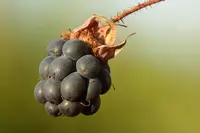
Rubus pedatifolius is a small, creeping bramble in the rose family, related to raspberries and blackberries. It typically forms low mats with slender, arching stems and divided leaves.

This species is native to parts of East Asia, where it grows in open woodland edges, slopes, and scrubby areas. It often spreads by trailing stems that root where they touch the ground.

The plant is generally hardy and tolerant of cool conditions, but it prefers well-drained soil and moderate moisture. Once established, it can be an easy groundcover if its spread is managed, and understanding how to care for Rubus pedatifolius helps prevent it from becoming too vigorous in suitable climates.

Main Plant Requirements

Care Difficulty

Moderate Care

Light Preference

Partial Sun

Water Requirements

Moderate Water

Temperature Preference

Cool Climate

Hardiness Zone

6–9

Soil Texture

Loamy, Sandy, Organic-rich

Soil pH

Acidic (5.5–6.5), Slightly acidic (6.5–7.0)

Soil Drainage

Moist but well-drained

Fertilization

Minimal (feed rarely)

Get Personalized Care Plan

Scan your plant to receive care tips personalized for your specific plant

Available on iOS and Android

How to Care for the Rubus pedatifolius

This low shrub thrives in bright conditions but benefits from some protection from harsh midday sun.

  • Provide 6–8 hours of direct sun daily, ideally with morning sun and light afternoon shade, especially in hotter regions.
  • Tolerates partial shade (around 3–4 hours of direct sun), but Rubus pedatifolius will fruit less and produce longer, weaker stems.
  • In summer, monitor for leaf scorch or crisp leaf edges from excessive afternoon sun; in dense shade, expect reduced flowering and sparse, pale growth.

This species prefers consistently moist but not waterlogged soil, especially during active growth and fruiting.

  • Before watering, check that the top 3–5 cm of soil feel slightly dry, then water deeply so moisture reaches the root zone rather than just the surface.
  • During spring and summer, expect to water more often in sandy or sloped sites; in autumn and winter, reduce watering as growth slows and rainfall usually increases.
  • Watch for yellowing, soft leaves or a sour soil smell as signs of overwatering; dry, curling leaves and slow growth suggest the root zone is staying too dry.

This bramble is generally hardy and tolerates a broad range of outdoor temperatures when established.

  • Optimal growth occurs around 60–75°F (16–24°C), with strong vegetative growth and reliable flowering in this range.
  • Dormant plants can usually tolerate short drops to about 10–15°F (-12 to -9°C), but young or newly planted shrubs benefit from mulch insulation in winter.
  • In hot spells above 90°F (32°C), provide extra mulch and soil moisture; prolonged extreme heat combined with drought can stress canes and reduce fruiting the following season.

This species copes well with typical outdoor humidity but benefits from slightly moist air in hot, dry climates.

  • Target 40–60% humidity; the plant tolerates brief dips lower if soil moisture is stable.
  • Dry air plus heat can cause marginal leaf scorch and reduced new cane growth.
  • Increase humidity in exposed sites with organic mulch over the root zone and nearby dense planting rather than misting.

Rubus pedatifolius prefers loose, moist, well‑drained soil with high organic content.

  • Use a loamy mix with 40–60% composted organic matter plus mineral soil or sand to keep the structure open.
  • Aim for slightly acidic to neutral pH, around 6.0–7.0, to support nutrient uptake and healthy cane growth.
  • Improve drainage and aeration by incorporating coarse sand or small grit in heavy or clay‑leaning ground before planting.
  • Avoid compacted, waterlogged, or very shallow soils, which increase root disease risk and weaken the plant’s perennial crown.

This species can be grown in containers if the pot provides enough depth, stability, and drainage for its running root system.

  • Choose a deep, heavy container (at least 30–40 cm tall) to anchor the spreading roots and prevent tipping as canes extend.
  • Select a thick-walled or clay pot in hot regions to reduce rapid drying of the root zone while still allowing gas exchange.
  • Position the container where trailing canes can be tied to a low support, preventing wind rock that can stress the root system.

This wild blackberry relative usually grows well in average garden soil and needs only light feeding.

  • Apply a thin layer of compost around Rubus pedatifolius in early spring to support new growth.
  • If growth is weak, use a balanced slow-release NPK fertilizer at half strength once in spring and once in early summer.
  • Avoid feeding in late summer or fall so new shoots harden before winter and are less prone to cold damage.
  • Water after applying any fertilizer to move nutrients into the root zone and prevent root burn.

Pruning helps maintain plant health and manage the spreading habit of this low, scrambling bramble.

  • In late winter or very early spring, remove dead, damaged, or diseased canes back to healthy wood on Rubus pedatifolius.
  • Thin crowded stems at ground level to improve air flow and reduce fungal problems while keeping a low, tidy shape.
  • After fruiting, cut out older, exhausted canes and leave younger, vigorous shoots to carry the next crop.
  • Use clean, sharp bypass pruners and disinfect blades between plants to limit disease spread.

This species is mainly grown in the ground, so care focuses on transplanting young plants rather than frequent repotting.

  • Transplant in early spring or fall when temperatures are mild and soil is moist but not waterlogged.
  • Move plants when growth slows, clumps become crowded, or runners escape the intended area, spacing them to allow spreading.
  • Lift with a generous root ball, keep roots shaded, and replant at the same depth into well-drained soil.
  • Water thoroughly after planting, then keep soil evenly moist for 1–2 weeks to limit transplant shock and encourage new roots.

Rubus pedatifolius is commonly propagated to expand groundcover patches or create new rows.

  • Use simple layering in spring or early summer by pegging a flexible cane to moist soil until roots form, then sever and transplant.
  • Divide small clumps in early spring, ensuring each piece has healthy shoots and a portion of the root system.
  • Sow fresh seed in fall outdoors or use cold stratification to improve germination in controlled conditions.
  • Keep young plants in consistently moist, well-drained soil with good light to establish strong root systems.

This bramble is generally cold hardy and usually needs only modest winter preparation in most temperate climates.

  • Rubus pedatifolius tolerates normal frost, but severe exposed sites benefit from extra root insulation.
  • Apply a 5–8 cm mulch of leaves, compost, or bark around the base, keeping it slightly away from stems.
  • In very cold or windy areas, site plants near a windbreak or low structure to reduce desiccation and cane damage.
  • Container-grown specimens in cold regions should be sunk into the ground or moved to an unheated, sheltered space.

Care Tips

Low trellis support

Install a low, sturdy trellis or wire along the row and loosely tie new canes as they elongate to keep fruit off the soil surface and reduce rot and slug damage when growing Rubus pedatifolius.


Mulch for cool roots

Apply a 5–8 cm layer of clean straw or shredded bark around, but not against, the crowns to keep shallow roots cool, suppress weeds, and prevent soil splash that spreads fungal spores onto foliage and fruit.

Targeted pest monitoring

From spring onward, check the undersides of leaves and young shoots weekly for aphids, spider mites, and cane borers, and remove small infestations by hand or with a strong water spray before resorting to treatments.

Cane renewal strategy

After fruiting, mark and remove the oldest, least vigorous canes at ground level during dormancy to maintain a young framework and encourage stronger, more productive new growth each year.

Bird and mammal protection

As fruits begin to color, drape fine mesh netting over a simple frame that holds the net off the plants, securing it at the base so birds and small mammals cannot reach or become entangled in the berries.

Common Pests and Diseases

Raspberry leaf spot

This disease causes small, round, light-brown to gray spots on leaves that can merge and lead to premature leaf drop. Symptoms include thinning foliage and reduced vigor, especially in dense, moist plantings.

Solution

Remove and destroy heavily spotted leaves, especially fallen material, to reduce spore sources. Provide good airflow by thinning canes, avoid overhead watering where possible, and if the problem recurs yearly, apply a labeled copper or chlorothalonil fungicide in early spring as new leaves emerge and repeat as directed during wet periods.

Raspberry anthracnose

This disease produces small, sunken, gray lesions with purple margins on young canes and may cause dieback of shoots and reduced fruiting. Symptoms include rough, scabby patches on stems and weakened, twiggy growth.

Solution

Prune out and destroy infected canes during dormancy or as soon as lesions are noticed, cutting back to healthy tissue. Maintain open, well-spaced plants, avoid excessive nitrogen that encourages soft growth, and in wet climates consider a dormant season lime-sulfur or copper spray according to label directions to protect new canes.

Raspberry cane blight

This disease enters through wounds on canes and causes dark, sunken areas, wilted side shoots, and sudden dieback above the infection point. Symptoms include brittle, easily broken canes and poor fruiting on affected stems.

Solution

Cut out and dispose of blighted canes promptly, pruning several cm below visible symptoms, and sterilize tools between cuts. Reduce wounding by careful pruning and harvesting, avoid overhead irrigation, and keep plantings vigorous but not overcrowded to lower humidity around canes, which supports better Rubus pedatifolius care instructions in wet conditions.

Raspberry fruitworm

This pest is a small beetle whose larvae feed inside flower buds and developing fruits, causing misshapen berries and reduced yields. These insects also skeletonize young leaves, giving foliage a ragged appearance.

Solution

Hand-pick adult beetles in early morning when they are sluggish and remove infested buds or fruits as soon as they are noticed. Encourage natural predators, keep the planting free of nearby wild Rubus that can harbor populations, and use targeted applications of spinosad or pyrethrin on buds just before flowering if damage is consistently high.

Raspberry aphids

This pest feeds on young shoots and leaf undersides, causing curled, distorted growth and sticky honeydew that can attract sooty mold. These insects can also transmit virus diseases between plants.

Solution

Spray colonies off with a firm stream of water, then follow with insecticidal soap or a light horticultural oil, ensuring good coverage of leaf undersides. Encourage lady beetles and lacewings, remove heavily infested shoot tips, and avoid overfertilizing with nitrogen, which promotes the soft new growth that aphids prefer.

Interesting Facts

Native Chinese montane bramble

This species is native to montane regions of central and southern China, where it typically grows on forest margins, open slopes, and thickets at mid to high elevations.

Deeply divided foliage

The leaves are characteristically pedate, meaning deeply divided into several narrow lobes that radiate from a single point, giving the plant a finely textured, almost fernlike appearance compared with many other brambles.

Sprawling, not towering

Unlike many blackberry relatives that form tall arching canes, this species usually stays relatively low and spreading, forming loose, scrambling patches rather than dense, upright thickets.

FAQs about Rubus pedatifolius

This species spreads by arching canes and rooting where stems touch the soil, forming patches over time. In suitable conditions it can become vigorous, so edging, mulching, and regular pruning help keep growth within bounds.

Grow Healthy Plants with Botan Care

Keep your plants happy and healthy with plant identification, disease detection, and easy care guidance.

Botan plant care app — identify plants on mobile

Explore More Plants