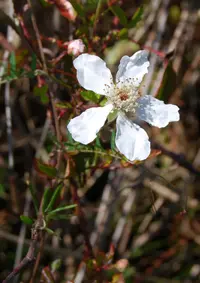
Rubus loehrii Care

Rubus loehrii

About Rubus loehrii

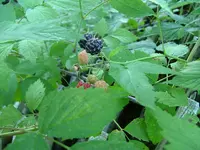
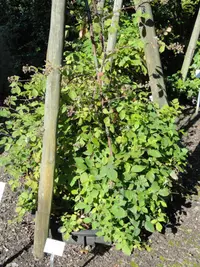
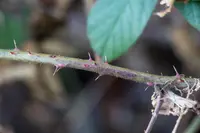
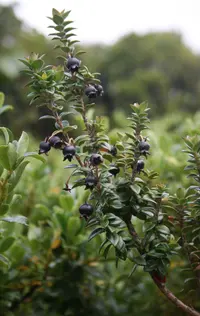
Rubus loehrii is a lesser-known wild bramble species in the rose family, related to raspberries and blackberries. It typically forms arching, thorny canes with divided leaves. This shrub is usually found in temperate regions, where it grows in woodland edges, thickets, and other semi-open habitats. Its growth habit tends to be vigorous and somewhat scrambling, so it often needs space and basic pruning to stay manageable. In cultivation, it is generally robust and not difficult to grow if given sun to light shade, moderately moist, well-drained soil, and room for its canes. Gardeners who want to care for Rubus loehrii should mainly focus on controlling spread and maintaining good light and airflow.

Main Plant Requirements

Care Difficulty

Moderate Care

Light Preference

Partial Sun

Water Requirements

Moderate Water

Temperature Preference

Warm Climate

Hardiness Zone

Unknown

Soil Texture

Loamy, Sandy, Organic-rich

Soil pH

Acidic (5.5–6.5), Slightly acidic (6.5–7.0)

Soil Drainage

Moist but well-drained

Fertilization

Minimal (feed rarely)

Get Personalized Care Plan

Scan your plant to receive care tips personalized for your specific plant

Available on iOS and Android

How to Care for the Rubus loehrii

This species performs best with strong light but benefits from some daily shade.

  • Provide 6–8 hours of direct sun daily, ideally with morning sun and light afternoon shade to reduce leaf scorch on hot days.
  • Allow for partial shade (3–4 hours sun) in hotter regions; fruiting may decrease slightly but foliage stays healthier.
  • In late spring and summer, monitor for pale, scorched leaves from intense midday sun; in fall and early spring, avoid deep shade that causes weak, overly long canes.

This shrub prefers consistently moist but not saturated soil throughout the growing season.

  • Water when the top 3–5 cm of soil feels dry, aiming for deep soaking that reaches the root zone rather than light surface sprinkling.
  • During spring and summer, increase watering during hot, dry spells; reduce in fall and keep just slightly moist in winter dormancy.
  • Use well-drained, loamy soil to prevent standing water; wilted, dull leaves signal too little moisture, while yellowing, soft stems suggest overwatering.

This bramble handles a range of outdoor temperatures but grows best in moderate conditions.

  • Optimal growth occurs around 60–75°F (16–24°C), with vigorous cane and root development during this range.
  • Dormant plants tolerate short dips near 10–15°F (-12 to -9°C); young or newly planted Rubus loehrii benefits from mulch protection in colder winters.
  • In summer, growth may slow above 85°F (29°C); provide mulch and consistent moisture to limit heat stress and cane dieback.

This species prefers moderate humidity but usually adapts to typical outdoor levels.

  • Aim for 40–60% humidity, as very dry air can slow growth and reduce leaf size.
  • Leaves curling at edges or browning tips indicate humidity stress, especially in hot, windy weather.
  • Increase humidity by mulching the root zone, grouping plants, or positioning near other vegetation to reduce moisture loss.

Rubus loehrii grows best in loose, fertile, well‑drained soil that retains some moisture.

  • Use a loamy mix with 40–60% organic matter such as compost plus native soil to support strong root growth.
  • Ensure drainage by incorporating coarse sand or fine bark so water drains within a few minutes after heavy watering.
  • Aim for slightly acidic to neutral pH, around 6.0–7.0, to support nutrient uptake and prevent micronutrient lockout.
  • Avoid compacted, waterlogged, or very heavy clay soils; improve structure first by mixing in compost and coarse particles to increase aeration.

This species can be grown in containers if the pot is large and stable enough for its spreading habit.

  • Choose a deep, heavy container to prevent tipping as canes lengthen and to anchor any support structure.
  • Allow at least 30–40 cm diameter so roots can spread, which helps maintain moisture balance between waterings.
  • Use a fast‑draining potting mix and raise the container slightly on feet or bricks so drainage holes never sit in standing water.

This wild raspberry relative usually grows well in average soil, so Rubus loehrii care focuses on light feeding rather than heavy fertilization.

  • If growth or fruiting is weak, use a balanced NPK granular or slow-release fertilizer once in early spring.
  • Apply a thin layer of well-rotted compost around the root zone to improve soil structure and nutrients.
  • During the growing season, a half-strength balanced liquid feed every 4–6 weeks is sufficient in poor soils.
  • Stop feeding in late summer to avoid soft growth that is vulnerable in winter.

Pruning Rubus loehrii helps maintain plant health, manage spread, and support flowering and fruiting.

  • Carry out main pruning in late winter to early spring before new growth starts.
  • Remove dead, diseased, and damaged canes at ground level using clean, sharp bypass pruners.
  • Thin crowded stems, keeping the strongest young canes to improve air flow and light penetration.
  • Shorten overly long canes to shape the plant and make harvesting and maintenance easier.

This species is usually grown in the ground, so management focuses on transplanting and site adjustment rather than frequent repotting.

  • Transplant in early spring or early fall when temperatures are mild and soil is workable.
  • Move plants if growth is poor, roots circle a container, or the clump becomes congested.
  • Lift with a wide root ball, keep roots shaded and moist, then replant at the same depth in well-drained soil.
  • Water thoroughly after transplanting, then keep soil evenly moist for several weeks to limit transplant shock.

Rubus loehrii is commonly propagated vegetatively to maintain desirable traits and speed establishment.

  • Use tip layering in late spring or summer by pegging flexible young shoots into moist soil until roots form.
  • Divide established clumps in early spring, replanting healthy sections with several strong buds and roots.
  • Take semi-ripe stem cuttings in summer, root in a free-draining mix under high humidity and bright, indirect light.
  • Sow seeds in fall or after cold stratification, as chilling improves germination of this temperate species.

This bramble-type shrub is generally cold hardy in temperate climates and needs only modest winter care outdoors.

  • Tolerates light to moderate frost once established, but young plants benefit from extra insulation.
  • Apply a 5–8 cm layer of organic mulch around the root zone, keeping it clear of stems.
  • In very cold regions, tie canes loosely together and use burlap screens to reduce wind and ice damage.
  • Move container-grown plants into a sheltered, unheated area to prevent root freezing and pot cracking.

Care Tips

Install sturdy support

Set up a robust trellis or two-wire fence before planting so new canes can be tied in as they grow, keeping fruiting wood well spaced and reducing disease risk from poor air circulation.

Rotate fruiting canes

Mark first-year and second-year canes with different colored ties, then remove only the spent fruiting canes after harvest to maintain a steady cycle of productive young stems.

Mulch for crown protection

Apply a 5–8 cm layer of organic mulch around but not against the crown to stabilize soil moisture, prevent weed competition, and protect shallow roots from heat and light frost.

Targeted pest scouting

Inspect developing flower clusters and young fruit weekly for aphids, cane borers, and spider mites, treating early with a hard water spray or a labeled horticultural oil before populations build.

Bundle canes for winter

In colder regions, gently gather and tie canes into loose bundles and, if possible, bend them slightly toward the ground so snow cover and row covers can better protect buds and stems when growing Rubus loehrii.

Common Pests and Diseases

Raspberry beetle

This pest attacks young flower buds and developing fruits, causing misshapen berries with dry, brown patches and small tunnels. Symptoms include low fruit quality and the presence of pale larvae inside berries near harvest.

Solution

Remove and destroy infested fruits and any old, fruited canes after harvest to reduce overwintering sites. For heavier infestations, use fine mesh insect netting around flowering canes to exclude adults and, where allowed, apply a targeted fruit and cane-safe insecticide just before flowering, following local guidelines.

Raspberry cane borer

This pest bores into young canes, causing wilting and dieback of shoot tips and visible swelling or girdling on stems. Symptoms include drooping cane tips that bend over in a shepherd’s crook shape above the damaged area.

Solution

Prune out and destroy wilted cane tips 5–8 cm below the visible damage as soon as they are noticed, before larvae move deeper into the cane. Maintain site cleanliness by removing old, weak, and dead canes each year to reduce breeding sites, and avoid planting near wild Rubus thickets that can harbor the pest.

Anthracnose

This disease causes small, sunken, gray to white spots with purple margins on canes, sometimes leading to cracking, poor vigor, and reduced fruiting. Leaves may show small gray spots and drop early under severe infection.

Solution

Cut out and dispose of heavily spotted or cracked canes during dry weather, and avoid overhead watering to keep foliage and stems as dry as possible. Improve spacing and airflow, apply a labeled caneberry fungicide at bud break and after pruning if the disease is recurrent, and remove nearby wild brambles that can act as a reservoir, which is an important part of Rubus loehrii care instructions.

Orange rust

This disease produces bright orange powdery pustules on the undersides of leaves, leading to stunted, weak canes and poor fruiting over time. Symptoms include early-season yellowing and distorted new shoots that never develop normally.

Solution

Promptly dig up and remove entire infected plants, including roots, since the fungus is systemic and does not clear with surface sprays. Avoid planting new canes in the same spot for several years, select clean nursery stock, and keep wild brambles controlled around plantings to reduce infection sources.

Botrytis fruit rot

This disease causes soft, water-soaked spots on ripening berries that quickly develop a fuzzy gray mold, especially in cool, wet conditions. Symptoms include whole clusters of berries collapsing and sticking together with moldy growth.

Solution

Harvest fruit frequently and remove overripe or damaged berries to limit fungal spread, and keep the planting well pruned so clusters dry quickly after rain or irrigation. Avoid overhead watering during flowering and fruiting, use mulch to reduce splashing, and in wet seasons consider applying a labeled Botrytis fungicide according to caneberry recommendations.

Interesting Facts

Endemic New Guinean bramble

This species is native to montane regions of New Guinea and is not naturally found outside this limited geographic range, making it of particular interest for studies on island and mountain endemism.

Member of Idaeobatus group

It belongs to the Rubus subgenus Idaeobatus, the same group that includes raspberries, and shares key floral and fruit traits used by botanists to understand evolutionary relationships within the genus.

Locally restricted habitat

The species has been documented from relatively narrow elevational and habitat bands in New Guinea, so its distribution is considered both geographically and ecologically restricted compared with widespread Rubus relatives.

FAQs about Rubus loehrii

This bramble can spread steadily by arching canes and underground shoots, especially in loose, fertile soil. In gardens, control expansion with root barriers, regular pruning of new suckers, and removing unwanted stems before they root.

Grow Healthy Plants with Botan Care

Keep your plants happy and healthy with plant identification, disease detection, and easy care guidance.

Botan plant care app — identify plants on mobile

Explore More Plants