lemon drop mangosteen Care (Garcinia intermedia)

lemon drop mangosteen

About lemon drop mangosteen

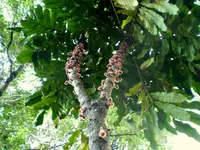
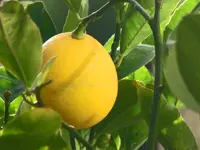
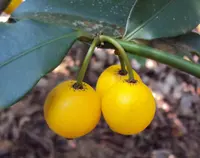
Lemon drop mangosteen (Garcinia intermedia) is a small tropical fruit tree valued for its tangy, yellow, cherry-sized fruits. It is commonly grown in warm, humid climates as a backyard or orchard tree.

The tree has glossy evergreen leaves and a rounded, compact canopy, which makes it suitable for smaller gardens and protected courtyards. Growth is moderate and usually manageable without heavy pruning.

This species is native to Central America, where it grows in lowland to mid-elevation forests. In cultivation it prefers warm temperatures, consistent moisture, and well-drained, slightly acidic soil.

For those learning how to care for lemon drop mangosteen, the main challenges are providing enough warmth, humidity, and protection from cold or prolonged drought.

Main Plant Requirements

Care Difficulty

Moderate Care

Light Preference

Partial Sun

Water Requirements

Regular Water

Temperature Preference

Tropical / Frost Sensitive

Hardiness Zone

10–12

Soil Texture

Loamy, Sandy, Organic-rich

Soil pH

Acidic (5.5–6.5), Slightly acidic (6.5–7.0)

Soil Drainage

Moist but well-drained

Fertilization

Light (every 4–6 weeks)

Get Personalized Care Plan

Scan your plant to receive care tips personalized for your specific plant

Available on iOS and Android

How to Care for the lemon drop mangosteen

Garcinia intermedia prefers bright, gentle sun similar to an understory tropical fruit tree.

  • Provide 4–6 hours of morning sun with light afternoon shade; young trees scorch in harsh western sun, especially in hot, dry climates.
  • Tolerates partial shade (down to 2–4 hours of direct light) but fruiting and canopy density decline if light stays low all year; filtered light under taller trees suits lemon drop mangosteen well.
  • In hot summers, use shade cloth or plant on the east side of a building; in cooler months, allow more direct sun to support active growth.

Watering for Garcinia intermedia aims for steady, slightly moist soil without long soggy periods.

  • Outdoors in well-drained soil, water deeply when the top 3–5 cm feels dry, letting water soak the root zone rather than giving frequent light sprinkles.
  • Use rich, fast-draining soil; standing water, foul smell, yellowing leaves, or soft stems indicate overwatering and poor drainage needing correction.
  • In hot, dry seasons, expect the soil to dry faster and watch for drooping or dull leaves as signs to water, while in cool or rainy periods extend intervals to avoid root rot.

This tropical fruit tree needs consistently warm conditions to grow and fruit well.

  • Optimal growth occurs around 70–85°F (21–29°C); growth slows noticeably below 65°F (18°C) and above 90°F (32°C).
  • Garcinia intermedia is very frost-sensitive; tissue damage can occur near 32°F (0°C), and young plants may die if exposed below 30°F (-1°C) for more than brief periods.
  • In hot regions, provide some afternoon shade and mulch to buffer roots from 95°F+ (35°C+) heat; in cooler areas, choose a warm, sheltered microclimate and protect from cold snaps.

This species prefers moderately high, stable humidity to support healthy foliage and fruiting.

  • Aim for 50–70% humidity; it tolerates brief dips lower but prolonged very dry air slows growth and may scorch leaf tips.
  • Dry, curling leaf edges and increased leaf drop indicate humidity stress in lemon drop mangosteen, especially near heating or air-conditioning vents.
  • Increase humidity with a nearby humidifier, grouped plants, or an evaporation tray, but keep foliage dry enough to avoid persistent leaf wetness.

This species grows best in loose, organic-rich, well-drained soil that stays evenly moist but not saturated.

  • Use a loamy mix based on composted bark or rich potting soil, lightened with coarse sand and perlite for structure and aeration.
  • Ensure rapid drainage so water does not pool around the roots, which are sensitive to waterlogging and low oxygen conditions.
  • Aim for slightly acidic to neutral pH around 5.5–7.0, avoiding strongly alkaline mixes that can reduce nutrient availability for Garcinia intermedia.
  • Avoid heavy clay or compacted soil; mix in coarse materials like pine bark fines or pumice to prevent compaction over time.

This tree can be grown in containers, especially in warm regions or where outdoor planting space is limited.

  • Choose a deep, heavy pot that resists tipping, as the woody canopy becomes top-heavy when taller.
  • Select containers with wide drainage outlets so fine roots do not clog them and slow water escape.
  • Use thick-walled or glazed pots if outdoor sun exposure is strong, as they reduce rapid moisture loss and root-zone temperature swings.

Lemon drop mangosteen benefits from modest, consistent nutrition rather than heavy feeding.

  • Use a balanced NPK fertilizer, such as 10-10-10, or well-rotted compost as the main nutrient source.
  • Feed every 4–6 weeks during the warm growing season, when growth is active.
  • Apply granular slow-release around the drip line, keeping it off the trunk and inner stem area.
  • Use at 1/2–3/4 the label rate for young trees to limit salt buildup and root burn.

Pruning Garcinia intermedia focuses on maintaining a healthy, open canopy and safe tree size.

  • Carry out structural pruning at the end of the cool, dry season or just before strong new growth begins.
  • Remove dead, diseased, crossing, or inward-growing branches to improve airflow and light penetration.
  • Shorten overly vigorous vertical shoots to encourage a lower, spreading framework that is easier to harvest.
  • Use clean, sharp bypass pruners or a pruning saw, making smooth cuts just outside the branch collar.

Young trees in containers or nursery bags need timely transplanting to support steady Garcinia intermedia growth.

  • Look for roots circling the pot drainage holes, frequent wilting, or slowed growth as signals to transplant.
  • Shift to a larger container or ground site in spring or early summer, once temperatures are consistently warm.
  • Plan on moving container plants to a larger pot every 2–3 years, using a free-draining, slightly acidic mix.
  • Handle the root ball gently, loosen only the outer circling roots, water thoroughly, and shade for several days to reduce stress.

Propagation of Garcinia intermedia is most reliable from fresh seed, with some use of semi-hardwood cuttings.

  • Collect ripe fruits, clean seeds, and sow them promptly, as viability drops with drying and storage.
  • Sow seeds in a warm medium at 75–85°F with bright shade and consistent, light moisture.
  • Take semi-hardwood cuttings in late spring or early summer, using a rooting hormone to support root formation.
  • Maintain high humidity, bottom warmth, and gentle shade around cuttings or seed trays until strong roots develop.

This tropical species is sensitive to frost and benefits from targeted winter protection in cooler climates.

  • Avoid exposure below 32°F; young trees may be damaged even by light frost.
  • Add 5–8 cm of organic mulch around the root zone, keeping it a few cm away from the trunk.
  • Wrap trunks and main scaffold branches with breathable horticultural fleece during cold spells.
  • Move container plants indoors or into a heated greenhouse before the first expected frost, ensuring bright light.

Care Tips

Early trunk training

Stake young plants loosely and adjust ties every 2–3 months so the trunk develops straight and strong enough to support heavy fruit loads later.

Forming a low canopy

Tip-prune the main leader at 80–100 cm height in the first 1–2 years to encourage a low, spreading framework that keeps fruit within easy reach and improves light penetration.

Mulch for shallow roots

Apply a 5–8 cm layer of coarse organic mulch in a 60–90 cm radius around the trunk, keeping it 5–8 cm away from the bark, to protect shallow feeder roots and stabilize soil moisture.

Fruit thinning practice

When branches carry very dense clusters, remove some small fruits by hand so remaining fruits size up better and the branch does not bend or snap under weight.

Dry-season protection

In regions with hot, dry winds, install simple windbreak netting or plant on the leeward side of a fence to reduce leaf scorch and water stress when growing lemon drop mangosteen.

Common Pests and Diseases

Fruit fly infestation

These insects lay eggs in ripening fruit, and larvae feed inside, causing soft, discolored, and prematurely dropping fruits with small sting marks on the skin.

Solution

Collect and destroy infested and fallen fruits daily, use fine mesh fruit bagging or exclusion netting around trees, and hang protein or pheromone-based traps to reduce adult fly numbers; in areas with heavy pressure, coordinate trapping and sanitation with nearby growers for more effective Garcinia intermedia care.

Scale insects

This pest attaches to stems and leaf undersides, sucking sap and causing yellowing leaves, stunted growth, and sticky honeydew that can lead to sooty mold.

Solution

Prune and discard heavily infested twigs, wipe or spray reachable areas with a mild insecticidal soap or horticultural oil solution, and repeat treatments every 7–10 days until new growth appears clean while also encouraging natural predators like lady beetles where possible.

Anthracnose

This disease causes dark, sunken lesions on young leaves, shoots, flowers, and fruit, often leading to leaf distortion, flower drop, and blemished or cracked fruit in warm, humid conditions.

Solution

Remove and discard infected leaves and mummified fruit, avoid overhead watering, improve air circulation through light pruning, and apply a copper-based or biofungicide spray at the start of warm, wet periods to protect new growth and developing fruit.

Leaf spot complex

Symptoms include small water-soaked spots on leaves that expand into brown or gray lesions, sometimes with yellow halos, leading to premature leaf drop on stressed trees.

Solution

Rake and dispose of fallen leaves, reduce leaf wetness by watering at the base in the morning, thin dense canopy growth to improve airflow, and use a registered preventive fungicide or biofungicide when spotting first appears, especially in rainy seasons.

Mealybugs

These insects cluster on tender shoots, leaf nodes, and roots, producing white cottony masses, causing leaf curl, reduced vigor, and honeydew that attracts ants and sooty mold.

Solution

Physically remove visible clusters with a cotton swab dipped in alcohol, wash foliage with a strong but gentle stream of water, apply insecticidal soap or horticultural oil to all plant surfaces including branch crotches, and manage ant activity so natural predators can reach and feed on the mealybugs.

Interesting Facts

Neotropical mid‑story tree

This species typically grows as a small to medium evergreen tree in the mid‑story of lowland tropical forests from southern Mexico to Colombia, often forming part of secondary forest and forest edges rather than dense, deep shade habitats.

Distinctive latex and resin

Like many members of the Clusiaceae, it produces a sticky, pale latex in its tissues, a feature that helps seal wounds and deter some herbivores and pathogens.

Nutrient‑rich edible fruit

Its yellow to orange, thin‑skinned fruits are botanically berries with a soft, acidic pulp that is edible and valued locally, contributing vitamin C and other nutrients to regional diets.

Botan icon

Did you know?

Garcinia intermedia is known to attract a wide range of wildlife, with birds, small mammals, and insects feeding on its fruits and acting as important seed dispersers, which helps this species colonize disturbed sites and regenerate secondary forests in its native range.

FAQs about lemon drop mangosteen

Yes, it adapts well to large containers if root space and drainage are sufficient. Use a deep pot, refresh the top layer of mix periodically, and repot when roots circle tightly or growth slows.

Grow Healthy Plants with Botan Care

Keep your plants happy and healthy with plant identification, disease detection, and easy care guidance.

Botan plant care app — identify plants on mobile

Explore More Plants