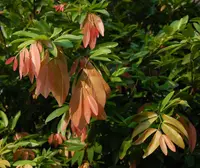
winged bean Care (Psophocarpus tetragonolobus)

Also known as: Goa Bean, Four-angled Bean
winged bean

About winged bean

Winged bean, Psophocarpus tetragonolobus, is a fast-growing tropical legume valued for its edible pods, leaves, flowers, and roots. It is typically grown as a climbing vine that needs support, with distinct four-winged pods and lush green foliage.

This species originates from humid tropical regions of South and Southeast Asia and performs best in consistently warm, frost-free climates. It is generally considered moderately easy to grow where summers are long and warm, but challenging in cool or short-season areas.

Those who want to care for winged bean should note its preference for full sun, regular moisture, and well-drained, fertile soil to support vigorous growth and pod production.

Main Plant Requirements

Care Difficulty

Moderate Care

Light Preference

Full Sun

Water Requirements

Regular Water

Temperature Preference

Tropical / Frost Sensitive

Hardiness Zone

10–12

Soil Texture

Sandy, Loamy, Organic-rich

Soil pH

Acidic (5.5–6.5), Slightly acidic (6.5–7.0)

Soil Drainage

Moist but well-drained

Fertilization

Moderate (every 2–4 weeks)

Get Personalized Care Plan

Scan your plant to receive care tips personalized for your specific plant

Available on iOS and Android

How to Care for the winged bean

This warm-season legume needs strong sun for high flowering and pod production.

  • Provide 6–8 hours of direct sun daily; in hot climates, favor morning sun with light afternoon shade to limit leaf scorch.
  • Plant winged bean where it gets full sun in spring and fall; in midsummer, use trellises or nearby crops to cast partial shade during the hottest hours.
  • Watch for pale, leggy vines and few flowers as signs of insufficient light; bronzed, crisped leaf edges suggest too much intense afternoon sun.

This species prefers evenly moist, well-drained soil that never stays waterlogged.

  • Water when the top 3–5 cm of soil feels dry, applying enough to moisten the root zone 15–20 cm deep, then allow excess to drain away.
  • Use loamy soil with good structure or raised beds so Psophocarpus tetragonolobus does not sit in standing water, which encourages root rot and yellowing leaves.
  • In hot, windy weather, monitor plants more often; wilting at midday that does not recover by evening signals underwatering, while soft, yellow, drooping foliage suggests overwatering.

This tropical vine thrives in consistently warm, frost-free conditions.

  • Ideal growing temperatures are 75–86°F (24–30°C); growth slows noticeably below 70°F (21°C) and above 95°F (35°C).
  • Protect plants from any frost; tissue damage occurs near 32°F (0°C), and prolonged exposure below 50°F (10°C) can stunt vines and reduce flowering.
  • In hot summers, 90–95°F (32–35°C) is tolerated if soil moisture is stable and roots are mulched, but flowering may drop during extreme heat spikes.

This species prefers moderately humid air but usually copes with typical outdoor conditions in warm climates.

  • Aim for ambient humidity around 50–70% in warm growing regions.
  • Dry air can slow flowering and pod set, with curled or browning leaflet edges as stress signs.
  • Increase humidity by mulching the soil surface and using windbreaks that reduce drying winds without blocking full sun.

This species performs best in deep, loose, well‑drained soil that stays evenly moist.

  • Use a loamy or sandy‑loam structure with high organic matter so roots can penetrate easily and access nutrients.
  • Mix garden soil with 30–40% compost plus coarse sand or perlite to improve both drainage and aeration.
  • Keep pH slightly acidic to neutral, around 6.0–7.0, since Psophocarpus tetragonolobus struggles in very acidic or strongly alkaline conditions.
  • Avoid compacted clay, waterlogged spots, or heavy mixes that stay soggy, which increase root rot and poor nodulation risks.

This species can be grown in containers if the pot is large and stable enough for vigorous vining growth.

  • Choose a container at least 40–45 cm deep to allow strong taproot development and adequate lateral root spread.
  • Use a heavy, wide‑based pot or secure the container so attached trellises do not tip it over in wind.
  • Select a slightly porous material, such as unglazed clay or fabric pots, to help excess moisture evaporate and prevent prolonged saturation.

This fast-growing legume benefits from moderate feeding when grown for pods or leaves.

  • Use a balanced fertilizer such as 10-10-10 or 5-5-5 at half strength, or apply well-rotted compost before planting.
  • Feed winged bean every 3–4 weeks during the warm growing season if soil is not already rich.
  • Avoid high-nitrogen products, which push foliage at the expense of flowers and pods.
  • Stop fertilizing in late summer or when growth slows, and do not feed during winter or dormancy.

Pruning Psophocarpus tetragonolobus is mainly done to manage vigor and improve production.

  • Pinch young tips in early growth to encourage branching and more flowering sites.
  • During the growing season, remove dead, diseased, or storm-damaged stems with clean, sharp pruners.
  • Thin out crowded or tangled vines to improve light penetration and air movement around pods and leaves.
  • At season’s end, cut back spent vines at the base and clear debris to reduce pest and disease carryover.

This species is usually grown as an annual vine, so focus on careful transplanting rather than frequent repotting.

  • Start seeds in small pots or cell trays and transplant outdoors once soil is warm and frost risk has passed.
  • Transplant when roots lightly fill the container but are not circling heavily, to limit shock and stalled growth.
  • Plant into loose, well-drained soil at the same depth as in the pot, spacing vines so they can climb freely.
  • Water thoroughly after transplanting, shade plants for 2–3 days in very hot sun, and keep soil evenly moist while roots establish.

New Psophocarpus tetragonolobus plants are most often raised from seed.

  • Sow fresh seed in late spring once temperatures are consistently warm, or start indoors 3–4 weeks before planting out.
  • Scarify hard seed coats lightly with sandpaper and soak 6–12 hours to improve germination.
  • Use a loose, well-drained seed-starting mix, keeping it evenly moist and around 70–85°F for fastest sprouting.
  • Provide bright light and good air flow for seedlings, then harden off outdoors for 7–10 days before planting in the garden.

This tropical vine is frost-tender and usually grown as a warm-season annual in temperate climates.

  • Plants are killed by freezing temperatures and are not suited to unprotected outdoor overwintering in cold regions.
  • In mild frost-free climates, mulch the root zone with 5–8 cm of organic material to stabilize soil temperature.
  • Container plants in cooler areas can be moved into a bright, frost-free greenhouse to extend harvest briefly, though vigor declines.

Care Tips

Sturdy vertical support

Install a rigid trellis or netting 1.8–2.4 m tall before planting so vines can be trained early, which improves airflow, reduces disease risk, and keeps pods clean and easy to harvest.

Timed flowering support

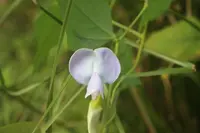
Provide a low-nitrogen, higher-potassium side dressing just before the main flowering flush and maintain even soil moisture to support pod set rather than excess leafy growth when growing winged bean.

Hand pollination aid

In areas with low bee activity, gently tap or brush open flowers with a small, soft paintbrush in the morning to improve pollination and increase pod yield.

Root-zone mulching

After soil has warmed, apply a 5–8 cm layer of clean straw or similar mulch around but not touching the stems to keep roots cool, limit weed competition, and reduce soil splash that can spread disease.

Sequential harvesting

Harvest pods regularly while still tender, every 2–3 days, to prevent the plant from diverting energy into seed maturation and to encourage continuous new flowering and pod production.

Common Pests and Diseases

Bean pod borer

This pest is a small moth larva that tunnels into young pods, causing distortion, scarring, and premature pod drop.

Solution

Handpick and destroy infested pods, remove and dispose of crop residues after harvest, use fine mesh netting to exclude adult moths where practical, and apply a targeted biological product containing Bacillus thuringiensis (Bt) to pods and foliage when young caterpillars first appear.

Pod-sucking bugs

These insects, often shield-shaped stink bugs or similar species, pierce pods and seeds, leading to shriveled, discolored beans and reduced yield.

Solution

Regularly inspect plants and hand-remove bugs, keep the area free of weeds that shelter them, encourage natural predators such as spiders and birds, and, if needed, use spot applications of insecticidal soap or a neem-based product directly on the insects while avoiding flowers.

Aphids

These insects cluster on young shoots and undersides of leaves, sucking sap and causing curling, yellowing, and sticky honeydew that can lead to sooty mold.

Solution

Dislodge colonies with a strong stream of water, prune heavily infested shoot tips, encourage lady beetles and other beneficial insects, and use insecticidal soap on the undersides of leaves, repeating weekly until populations drop.

Rust

This disease causes small orange to brown pustules on leaves, often surrounded by yellow halos, which can lead to premature leaf drop in warm, humid conditions.

Solution

Remove and destroy infected leaves, avoid overhead watering, space plants and support vines on trellises to improve airflow, and rotate plantings away from affected beds for at least 2–3 years to reduce spore carryover.

Powdery mildew

This disease appears as white, powdery patches on leaves and stems, which can lead to leaf yellowing, reduced pod set, and weaker vines, especially in crowded, shaded plantings.

Solution

Improve light and air circulation by proper spacing and trellising when growing winged bean, remove heavily affected leaves, water at soil level, and apply a sulfur or potassium bicarbonate fungicide according to label directions at the first sign of infection.

Interesting Facts

Edible from root to seed

Winged bean is one of the few legume species in which nearly every part is eaten, including pods, leaves, flowers, immature seeds, and even the thickened, tuberous roots, making it an unusually versatile food crop.

Exceptional protein content

The immature pods and dry seeds have a protein profile and level comparable to soybean, which has led researchers to consider the plant a promising tropical protein source for both human food and animal feed.

Tropical daylength sensitivity

Many traditional cultivars are strongly short-day plants, flowering only when daylength falls below about 12 hours, which restricts reliable seed production to equatorial and tropical regions unless daylength-neutral lines are used.

Botan icon

Did you know?

As a legume with strongly developed root nodules housing symbiotic nitrogen-fixing bacteria, winged bean can enrich low-fertility tropical soils by converting atmospheric nitrogen into plant-available forms, which can significantly reduce or even eliminate the need for synthetic nitrogen fertilizer in mixed or rotational cropping systems.

FAQs about winged bean

All main parts are edible: pods, seeds, leaves, flowers, and tuberous roots. Pods are usually eaten young and tender, raw or cooked. Mature seeds and roots are cooked thoroughly to improve digestibility and flavor.

Grow Healthy Plants with Botan Care

Keep your plants happy and healthy with plant identification, disease detection, and easy care guidance.

Botan plant care app — identify plants on mobile

Explore More Plants