Staggered Succession Sowing
Sow small batches every 10–14 days rather than one large sowing to spread harvests, reduce crowding, and avoid a single flush of plants all becoming over-mature at once.

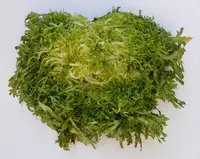
Cultivated endive (Cichorium endivia) is a cool-season leafy vegetable grown for its crisp, slightly bitter leaves. It is usually harvested as compact heads or loose rosettes. Forms range from broad, pale escarole types to finely cut frisée with frilly, delicate foliage.
The plant likely originated in the Mediterranean region and is now widely grown in temperate climates for salads and cooking. Its shallow root system and preference for cool, moderate conditions influence how to care for cultivated endive.
It prefers consistent moisture, fertile, well-drained soil, and open light but not extreme heat, which can cause strong bitterness or premature flowering.

Care Difficulty
Moderate Care

Light Preference
Full Sun

Water Requirements
Regular Water

Temperature Preference
Cool Climate

Hardiness Zone
4–9

Soil Texture
Loamy, Sandy, Organic-rich

Soil pH
Acidic (5.5–6.5), Slightly acidic (6.5–7.0)

Soil Drainage
Moist but well-drained

Fertilization
Light (every 4–6 weeks)
Scan your plant to receive care tips personalized for your specific plant
Available on iOS and Android
Cichorium endivia needs consistent sun to produce dense, flavorful heads without bitterness spikes.
Watering for Cichorium endivia aims for steady, moderate soil moisture without saturation.
Stable cool temperatures support compact growth and reduce bolting in Cichorium endivia.
Humidity has little impact on Cichorium endivia, which tolerates typical outdoor ranges in most climates.
Soil for this leafy annual should stay evenly moist, well aerated, and nutrient rich for steady growth.
This species grows reliably in containers when given enough root space and steady moisture.
Cichorium endivia benefits from light, targeted feeding to support leafy growth without making foliage coarse or bitter.
Pruning Cichorium endivia focuses on hygiene and harvesting rather than shaping a permanent plant structure.
Endive is usually grown as a short-lived crop, so transplanting young Cichorium endivia plants correctly matters more than later repotting.
Most Cichorium endivia is propagated from seed to maintain vigor and uniform heads or rosettes.
Cichorium endivia is a cool-season crop that tolerates light frosts but needs some protection in colder climates.

Plant Health Check
Not sure what's wrong with your plant? Check your plant's health inside the app.
Cichorium endivia occurs mainly as two botanical varieties, var. crispum (curly endive or frisée) and var. latifolium (escarole), which differ in leaf shape and texture but belong to the same species.
This species forms a low rosette of leaves adapted to cool-season growth, allowing it to tolerate light frosts better than many other leafy vegetables from warmer climates.
The characteristic bitter taste of cultivated endive comes from sesquiterpene lactones, a group of naturally occurring plant compounds that are especially concentrated in the leaf ribs and older leaves.

Historical records from Europe show that cultivated forms of Cichorium endivia were already being grown and selected for different leaf types in the late Middle Ages, making it one of the older leafy salad crops under systematic cultivation.
Brown, crispy leaf edges usually come from heat stress, strong sun, or uneven watering. Sudden temperature swings and high fertilizer salts can also scorch tissue. Trim damaged leaves and keep moisture, feeding, and temperature more consistent.
Keep your plants happy and healthy with plant identification, disease detection, and easy care guidance.