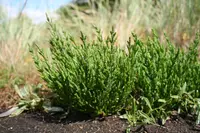
cous biscuitroot Care (Lomatium cous)

Also known as: Cous-root Desert-parsley
cous biscuitroot

About cous biscuitroot

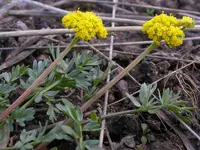
Cous biscuitroot (Lomatium cous) is a small, perennial herb in the carrot family, with finely divided, feathery leaves and umbels of small yellowish flowers. It grows from a fleshy taproot and typically forms low clumps close to the ground. This species is native to dry, open habitats in western North America, often on rocky or well-drained slopes. It adapts best to full sun, low to moderate moisture, and coarse, well-drained soils. Once established, it is drought tolerant but can be slow to germinate, which slightly increases the difficulty for those learning how to care for cous biscuitroot.

Main Plant Requirements

Care Difficulty

Moderate Care

Light Preference

Full Sun

Water Requirements

Low Water

Temperature Preference

Cold Hardy

Hardiness Zone

4–8

Soil Texture

Sandy, Loamy, Rocky

Soil pH

Slightly acidic (6.5–7.0), Neutral (7.0)

Soil Drainage

Well-drained

Fertilization

Minimal (feed rarely)

Get Personalized Care Plan

Scan your plant to receive care tips personalized for your specific plant

Available on iOS and Android

How to Care for the cous biscuitroot

This western North American native thrives in open, bright conditions that mimic dry meadows and slopes.

  • Provide 6–8 hours of direct sun daily; light afternoon shade is helpful in hotter regions to reduce leaf scorch.
  • In cooler climates, full sun all day supports compact growth and stronger flowering for cous biscuitroot.
  • Avoid dense shade; plants in less than 4 hours of sun become leggy, produce fewer umbels, and may decline over several seasons.

This drought-adapted perennial prefers dry, fast-draining conditions and is sensitive to excess moisture.

  • Water established plants only when the top 5–8 cm of soil are completely dry; in many dry summer climates this may mean no irrigation at all.
  • During the first growing season for Lomatium cous, give a deep soak after dry spells of 10–14 days, then let the soil fully dry again.
  • Watch for yellowing, soft roots, or a sour soil smell as signs of overwatering; crisp, folding leaves signal prolonged drought stress in young plants.

This hardy, cold-adapted species is suited to climates with cool winters and moderately warm, dry summers.

  • Active growth occurs best around 50–75°F (10–24°C), matching typical spring and early summer conditions in its native range.
  • Established plants tolerate winter lows near 0°F (−18°C) under well-drained soil, but prolonged freeze in saturated ground increases rot risk.
  • Summer heat up to 90–95°F (32–35°C) is usually tolerated if soil stays dry; sustained hotter periods can shorten the growing season and speed dormancy.

This species is adapted to arid habitats, so indoor humidity rarely limits cous biscuitroot health.

  • Target 25–40% humidity, similar to dry indoor air, without using humidifiers.
  • Plant stress from excess humidity appears as lingering leaf wetness, moldy soil surface, or stem rot at the crown.
  • Increase air movement with a small fan and avoid crowding plants to prevent moisture buildup around foliage.

Lomatium cous prefers lean, mineral soils that drain rapidly and never stay waterlogged.

  • Use a gritty mix such as 50–60% coarse sand or small gravel with 40–50% sandy loam to mimic native rocky slopes.
  • Ensure extremely fast drainage; water should pass through in seconds, never pooling on the surface or in the tray.
  • Maintain slightly acidic to neutral pH around 6.0–7.0; avoid strongly acidic peat-heavy mixes that stay wet.
  • Improve aeration and prevent compaction by mixing in pumice or crushed granite instead of moisture-holding compost.

This species can be grown in containers but remains challenging due to its deep, taprooted habit.

  • Choose a tall, narrow pot at least 25–30 cm deep so the taproot can extend without coiling tightly.
  • Select unglazed terracotta to speed evaporation, helping the gritty mix dry between infrequent waterings.
  • Place the container on pot feet or bricks so drainage holes stay clear and excess water escapes immediately.

Lomatium cous is a nutrient-efficient native that usually needs little or no fertilizer in average, well-drained soils.

  • If growth is very weak in poor soil, apply a light top-dressing of compost in early spring, keeping it away from the crown.
  • On very lean sites, use a low-dose balanced NPK granular fertilizer once in spring only.
  • Avoid summer feeding, and do not fertilize during dormancy or winter.
  • Use fertilizers at half the label strength to prevent soft, weak growth.

Lomatium cous needs minimal pruning, mainly to keep plants tidy and healthy.

  • Best timing is late summer to fall, after foliage naturally declines.
  • Remove dead, diseased, or damaged stems at the base with clean, sharp scissors or hand pruners.
  • Clip spent flower stalks once seeds have dropped if a neater look is desired.
  • Avoid heavy cutting into green, actively growing foliage, which can stress the plant.

This deep-rooted perennial prefers staying in one place, so transplanting should be rare and carefully planned.

  • Transplant only when absolutely necessary, such as poor drainage, declining vigor, or badly crowded clumps.
  • Aim to move plants in early spring, just as new growth begins, to reduce stress.
  • Dig deeply and wide around the taproot, keeping as much soil as possible around the root system.
  • Replant immediately into a well-drained, sandy or gravelly site, water once to settle soil, then allow it to re-establish with minimal disturbance.

Lomatium cous is mainly propagated by seeds, which require specific conditions to germinate well.

  • Sow fresh seed in fall outdoors so natural winter cold provides stratification, the chilling needed to break dormancy.
  • Use shallow trays or a prepared bed with very well-drained, gritty soil.
  • Keep the soil just slightly moist through winter and early spring, never waterlogged.
  • Avoid division or cuttings, since the strong taproot does not respond well to disturbance.

This species is naturally cold hardy in much of its native range and usually needs no special winter care.

  • Dormant foliage can be left in place over winter to shield the crown, then removed in early spring.
  • In very exposed or marginally cold sites, a light, dry mulch around but not on top of the crown can moderate soil temperature.
  • Container-grown plants, if any, benefit from moving to an unheated but sheltered spot to prevent deep pot freezing.

Care Tips

Seed stratification method

For reliable germination, mix seeds with slightly moist sand in a labeled plastic bag and cold-stratify at 35–40°F in the refrigerator for 6–8 weeks before sowing outdoors in late winter or very early spring.

Marking dormant crowns

After flowering and seed set, the foliage often dies back completely, so mark plant locations with small stakes or stones to avoid disturbing dormant crowns during summer weeding or autumn soil work.

Encouraging deeper roots

During the first 1–2 growing seasons, remove competing weeds in a 20–30 cm radius and avoid shallow cultivation so the developing taproot can grow straight and deep, which improves long-term drought resilience.

Selective seed harvesting

For sustainable use, harvest only a portion of mature seed umbels, leaving plenty on the plant to self-sow and maintain a natural stand while still providing seed for replanting or sharing.

Low-impact companion spacing

When growing cous biscuitroot in mixed native plantings, position more aggressive grasses or forbs at least 25–30 cm away to reduce root competition and keep the slow-growing taprooted plants from being crowded out.

Common Pests and Diseases

Powdery mildew

This disease causes a white, flour-like coating on leaves and young stems, especially in crowded or humid conditions. Symptoms include distorted growth and reduced vigor in affected plants.

Solution

Remove and discard heavily infected leaves to reduce spore load, and ensure plants grow in open, sunny, well-ventilated sites with good air movement. Avoid overhead watering, reduce humidity around foliage, and if needed apply a sulfur or potassium bicarbonate fungicide labeled for native perennials, following instructions carefully.

Leaf spot

This disease produces small brown to dark purple spots on foliage that may merge into larger blotches, leading to premature leaf yellowing and drop. Symptoms include weakened plants and reduced photosynthesis late in the season.

Solution

Clip and remove affected leaves and plant debris at the end of the season to limit reinfection, and maintain good spacing so foliage dries quickly after rain. In sites with repeated issues, improve soil drainage and air flow, rotate planting locations when possible, and consider a copper-based fungicide at first appearance of spots if cultural steps are not sufficient.

Aphids

These insects cluster on young stems, flower stalks, and leaf undersides, sucking sap and excreting sticky honeydew that can support sooty mold growth. This pest can cause curled leaves, stunted growth, and distorted flower umbels.

Solution

Dislodge colonies with a firm stream of water and pinch off heavily infested soft tips when practical. Encourage natural predators such as lady beetles, avoid high-nitrogen fertilization, and use insecticidal soap or a neem oil spray directed at the undersides of leaves if populations remain high while following product directions carefully for Lomatium cous care instructions.

Root and crown nematodes

These microscopic roundworms feed on roots and crown tissues, causing poor establishment, stunting, and reduced taproot development in dryland plantings. Symptoms include uneven growth in patches, reduced vigor, and sometimes mild yellowing despite adequate moisture.

Solution

Select planting sites with well-drained, coarse or sandy soils and avoid moving contaminated soil or tools between beds. Where nematodes are suspected, rotate away from susceptible Apiaceae crops for several years, solarize infested soil where climate allows, and focus on maintaining plant health through correct watering and minimal soil disturbance around established crowns.

Interesting Facts

Edible starchy roots

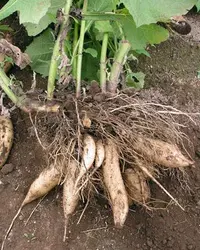
The thickened roots of this species are traditionally harvested as a food source by several Indigenous peoples of the Pacific Northwest, who value them for their starchy, turnip-like texture when cooked.

Early spring emergence

This plant often sends up its finely divided leaves and yellowish flower umbels very early in spring, allowing it to complete much of its growth before surrounding vegetation creates heavy shade.

Dry habitat adaptation

It naturally occurs in open, often rocky or well-drained sites in interior western North America, showing strong adaptation to seasonally dry soils and cold winters.

Botan icon

Did you know?

Traditional digging sticks used by Indigenous communities are sometimes designed specifically to harvest the underground parts of this plant efficiently without overly disturbing surrounding native vegetation.

FAQs about cous biscuitroot

The roots and young shoots are traditionally eaten by Indigenous peoples, usually cooked or dried and ground. Correct identification is essential, since similar umbellifer species can be toxic. Avoid harvesting from polluted sites and introduce wild foods gradually.

Grow Healthy Plants with Botan Care

Keep your plants happy and healthy with plant identification, disease detection, and easy care guidance.


Botan plant care app — identify plants on mobile

Explore More Plants