glasswort Care (Salicornia europaea)

Also known as: Common Glasswort
glasswort

About glasswort

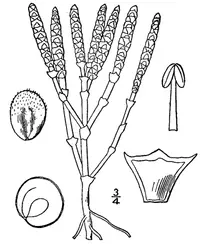
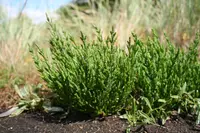
Glasswort, also known as common glasswort or marsh samphire, is a low, jointed succulent that forms dense clumps in salty coastal wetlands. Its fleshy, segmented stems turn bright red or purple in late season, giving a distinctive look.

Salicornia europaea naturally grows in salt marshes, tidal flats, and other coastal habitats where few other plants survive. It is adapted to high salinity and periodic flooding, which makes it unusual but also more demanding in cultivation.

For those learning how to care for glasswort, the key traits are its need for strong light, very moist conditions, and salty, well-drained substrate. In a garden or container, it suits growers who can mimic these coastal conditions reasonably well.

Main Plant Requirements

Care Difficulty

Hard Care

Light Preference

Full Sun

Water Requirements

Aquatic

Temperature Preference

Cool Climate

Hardiness Zone

3–9

Soil Texture

Sandy, Silty, Organic-rich

Soil pH

Neutral (7.0), Slightly alkaline (7.0–7.5)

Soil Drainage

Waterlogged tolerant

Fertilization

Minimal (feed rarely)

Get Personalized Care Plan

Scan your plant to receive care tips personalized for your specific plant

Available on iOS and Android

How to Care for the glasswort

This salt-marsh annual thrives in strong coastal light but adapts if exposure is managed carefully.

  • Provide 6–8 hours of direct sun daily; full sun suits most cool, coastal climates where glasswort naturally grows.
  • In hotter inland sites, aim for morning sun with light afternoon shade to reduce leaf scorch and moisture stress.
  • In late autumn and winter, lower sun intensity is usually acceptable, but plants in deep shade become weak, elongated, and sparse.

This halophytic plant is adapted to wet, saline conditions but still benefits from controlled moisture.

  • Keep the root zone consistently moist; soil surface should not dry out more than 1–2 cm, especially during active growth.
  • Use very free-draining, sandy or gritty substrate; puddling, sour smell, or blackened stems signal chronic overwatering and stagnation.
  • During cooler months, allow slightly slower wetting and minor surface drying; dull, shriveled shoots indicate underwatering, while limp, mushy tissue indicates excess water.

This coastal annual tolerates a broad temperature range but performs best in cool to warm conditions.

  • Aim for 60–75°F (16–24°C) during active growth for steady development and good shoot quality.
  • Mature plants often survive brief drops to 25–30°F (-4 to -1°C), but repeated hard frosts can damage or kill soft new growth.
  • Heat up to 90–95°F (32–35°C) is tolerated if soil moisture is high; prolonged extremes above this range increase stress and can stunt plants.

This coastal halophyte prefers high ambient moisture but tolerates moderate indoor humidity if roots stay consistently wet and salty.

  • Aim for 50–70% air humidity; priority is keeping the rooting zone wet with brackish or mildly salty water.
  • Dry household air is usually tolerated if the substrate never dries, but very dry air plus dry roots causes rapid stem shriveling.
  • Humidity stress appears as limp, wrinkled, reddening stems; increase moisture by using a water tray under the pot or placing it near other water-loving plants.

Salicornia europaea grows best in saline, saturated, sandy to silty media that drains freely yet never fully dries out.

  • Use a mix of 60–70% coarse sand with 30–40% fine gravel or grit; avoid peat-heavy or dense composts that hold stagnant water.
  • Keep the root zone wet with saline water while allowing excess to drain, mimicking tidal flats rather than constantly waterlogged pot bottoms.
  • Target mildly alkaline to strongly alkaline conditions around pH 7.5–8.5 by adding crushed seashells or a small amount of garden lime.
  • Avoid standard potting mixes, clayey soils, or low-salt conditions, which cause weak, elongated growth and higher rot risk.

This species is suitable for container growing when the pot setup mimics shallow, saline coastal wetlands.

  • Choose a wide, shallow container so the shallow roots can spread horizontally while allowing an even, tidal-like water level.
  • Use a pot with large drainage holes set inside a watertight tray or basin so the medium stays saturated but not anaerobic at the base.
  • Prefer sturdy, non-porous materials like plastic or glazed ceramic to slow evaporation and keep saline moisture levels more stable between waterings.

Salicornia europaea is adapted to nutrient-poor coastal habitats and usually needs no fertilizer in typical garden or container culture.

Salicornia europaea benefits from light, occasional pruning to maintain compact, harvestable growth.

  • Cut back soft, upper shoots in late spring or summer to encourage bushier plants and tender new growth.
  • Remove any dead, dry, or damaged stems with clean scissors or small snips to limit decay and disease entry.
  • Thin crowded stems lightly so light and air reach inner parts of the clump, improving overall vigor.

Glasswort is more often transplanted than repotted, as it is usually grown outdoors or in shallow trays.

  • Transplant in spring when plants resume active growth for the least stress and fastest reestablishment.
  • Look for slow growth, roots surfacing, or circling in a shallow container as signs it has outgrown its space.
  • Prepare very free-draining, sandy, saline soil and move plants with as much root ball intact as possible.
  • Water with slightly salty water after transplanting and keep roots evenly moist until new growth resumes.

Salicornia europaea is most commonly propagated from seed, which suits its annual life cycle.

  • Sow fresh seed in late winter to early spring under bright light in shallow trays with sandy, saline substrate.
  • Press seeds onto the surface or cover very lightly, as they need good light and air contact for even germination.
  • Maintain consistently moist, slightly salty water conditions at cool to mild temperatures, around 55–65°F.
  • Harden off young plants gradually to outdoor sun and wind before planting into coastal beds or saline containers.

Salicornia europaea is typically grown as an annual; in most climates it completes its life cycle and needs no special winter care.

Care Tips

Use saline irrigation

Prepare irrigation water with marine salt at roughly 10–20 g per liter to mimic brackish conditions and maintain vigor, especially if your tap water is very low in dissolved salts.

Rotate harvest zones

When cutting stems for culinary use, harvest in strips and leave uncut buffer areas so each patch has 3–4 weeks to regrow before the next cut.

Shallow container setup

Grow plants in wide, shallow trays (8–12 cm deep) with multiple drainage holes to support dense stands and prevent water stagnation around the lower stems.

Seasonal crop cycling

Treat the plant as an annual crop, sowing fresh seed every spring and clearing old, woody plants at the end of the season for cleaner, more uniform new growth.

Wind and salt spray

If grown outdoors near the coast, place containers where they receive light wind and occasional salt spray but are shielded from direct sand blasting, which can scar succulent stems and reduce yield when growing glasswort.

Common Pests and Diseases

Fusarium wilt

This disease often develops in saturated, warm saline substrates and disrupts water transport in the stems, leading to yellowing and collapse. Symptoms include reddish to brown stem discoloration and gradual wilting of whole clumps.

Solution

Improve drainage and avoid prolonged water stagnation in containers or beds, since even this halophyte is stressed by anoxic, poorly aerated media. Remove and discard affected plants, reduce organic matter that stays waterlogged, and if growing Salicornia europaea care is needed in the same spot, solarize or replace the substrate before replanting to lower Fusarium inoculum.

Alternaria leaf spot

This disease causes small brown to dark olive spots on fleshy segments, which can merge into larger lesions and lead to tissue drying and dieback, especially in dense stands. Symptoms include more severe damage in humid, poorly ventilated setups or where overhead watering keeps foliage wet for long periods.

Solution

Remove and discard heavily spotted stems to reduce spore spread, and maintain better airflow by thinning plants and spacing containers. Water at the base rather than overhead, avoid wetting foliage late in the day, and if the problem recurs, rotate growing areas or replace contaminated substrate between crops.

Botrytis blight

This disease thrives on succulent tissues kept cool and humid, causing soft, water-soaked areas that quickly turn brown and may show gray fuzzy mold on the stems. Symptoms include rapid collapse of tender tips and segments where air circulation is poor, especially in indoor or greenhouse culture.

Solution

Promptly cut away and dispose of all soft, moldy tissue, and improve ventilation around the plants by increasing spacing and using fans if indoors. Reduce high humidity episodes, avoid misting the foliage, and keep saline media moist but not saturated to limit Botrytis development.

Sap-sucking aphids

These insects sometimes colonize tender new shoots and branch tips, feeding on sap and causing local distortion, stunting, or sticky honeydew on segments. This pest tends to appear on plants grown in protected environments such as greenhouses or bright indoor windowsills rather than in exposed coastal sites.

Solution

Rinse affected shoots under a steady stream of water to dislodge aphids, or wipe stems gently with a soft cloth dipped in water with a small amount of mild soap, then rinse well with fresh water. Encourage natural predators outdoors, and if infestations persist in containers, prune the most infested tips and temporarily move plants to a more exposed, airy position to discourage re-colonization.

Interesting Facts

Extreme salt storage

This species is a true halophyte, meaning it can grow in seawater-level salinity by storing excess salt in its succulent jointed stems and then shedding older segments to avoid toxic buildup.

Annual coastal pioneer

It is an annual plant that rapidly colonizes bare, muddy, intertidal flats and salt pans, helping stabilize sediments and paving the way for later salt-marsh vegetation.

Natural seawater biofilter

Stands of this plant can significantly reduce dissolved nutrients such as nitrates in coastal waters, so it is studied as a tool for phytoremediation and for treating saline effluents from aquaculture.

Botan icon

Did you know?

In some European coastal regions, this species has been traditionally harvested as a vegetable known as samphire or glasswort, and historically its ash was used as a source of soda for early glass and soap production, which is how the group acquired the common name glasswort.

FAQs about glasswort

This species is edible and often used as a salty vegetable. Young, tender shoots are eaten raw, lightly steamed, or sautéed. Avoid heavily polluted shorelines, and always rinse harvests thoroughly to remove sand and surface contaminants.

Grow Healthy Plants with Botan Care

Keep your plants happy and healthy with plant identification, disease detection, and easy care guidance.

Botan plant care app — identify plants on mobile

Explore More Plants