


Wind acclimation
Before planting into a windy site, gradually expose young trees to outdoor breezes over 1–2 weeks to build stronger stems and reduce transplant shock.

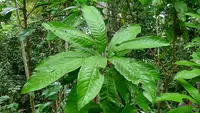
Abiurana, Pouteria torta, is a tropical fruit tree from the Brazilian Cerrado and other savanna-type habitats. It is part of the sapodilla family and can form a medium to large, upright tree in warm climates.
The plant has leathery, evergreen leaves and produces rounded yellow to brown fruits with sweet, edible pulp. Its growth habit is relatively slow but long-lived when conditions suit it.
For home growers, it is best suited to warm, frost-free regions or protected greenhouse conditions. Understanding how to care for abiurana starts with providing consistent warmth, moderate moisture, and well-drained, slightly acidic soil.

Care Difficulty
Moderate Care

Light Preference
Full Sun

Water Requirements
Regular Water

Temperature Preference
Tropical / Frost Sensitive

Hardiness Zone
10–12

Soil Texture
Sandy, Loamy, Organic-rich

Soil pH
Acidic (5.5–6.5), Slightly acidic (6.5–7.0)

Soil Drainage
Moist but well-drained

Fertilization
Minimal (feed rarely)
Scan your plant to receive care tips personalized for your specific plant
Available on iOS and Android
Pouteria torta prefers bright, warm conditions similar to its native tropical habitats.
This species prefers consistently moist but not waterlogged soil.
This tropical tree thrives in warm, stable temperatures and reacts poorly to cold snaps.
This species benefits from moderately humid air, especially when young or container-grown.
This species prefers deep, well-drained, slightly acidic to neutral soil with stable moisture.
This species can be grown in large containers when root space, drainage, and stability are carefully managed.
This species benefits from moderate feeding in cultivation, especially when grown as abiurana in containers or managed orchards.
Pruning Pouteria torta is mainly used to manage structure, remove damage, and maintain safe, balanced growth.
This species is usually grown in the ground, so guidance focuses on transplanting young Pouteria torta trees rather than long-term container culture.
Propagation of Pouteria torta is possible but slower than many ornamental shrubs, so it is most often done from seed for new plants.
This tropical tree has low frost tolerance and needs specific winter care in cooler regions, especially when young or container-grown.

Plant Health Check
Not sure what's wrong with your plant? Check your plant's health inside the app.
This species is native to the Brazilian Cerrado, a fire-influenced savanna where it grows on nutrient-poor, often acidic soils and tolerates seasonal drought far better than many tropical fruit trees.
Leaves on the same tree can vary from narrow and lance-shaped to more oblong forms, a plasticity that helps the plant adjust to different light levels within its habitat.
The tree produces yellow, fleshy fruits that are locally consumed fresh or processed, valued for their sweet pulp and role as a minor regional fruit resource in parts of Brazil.

Pouteria torta is an important food source for Cerrado wildlife, with its fruits eaten by birds and mammals that in turn disperse its seeds over long distances, helping maintain tree populations across fragmented savanna landscapes.
Growth is moderately fast under warm, frost‑free conditions, often adding 30–60 cm per year once established. In spacious ground it can eventually become a medium to large tree, often 8–15 m tall with a broad canopy.
Keep your plants happy and healthy with plant identification, disease detection, and easy care guidance.

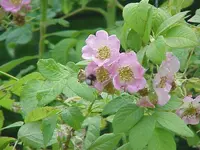
big-hip rose
Rosa macrophylla

Yellow dragonfruit
Selenicereus megalanthus
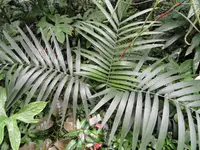
Chamaedorea pinnatifrons
Chamaedorea pinnatifrons
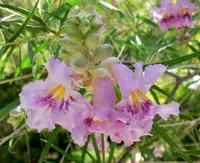
desert willow
Chilopsis linearis
Scaly Wood Mushroom
Agaricus langei
Field pumpkin
Cucurbita pepo subsp. pepo
Australian Umbrella Tree
Heptapleurum actinophyllum
Spine-leaved Monkey Orange
Strychnos pungens