Root-zone mulching
Apply a 5–8 cm layer of coarse organic mulch around the drip line, keeping it 5 cm away from the trunk, to stabilize soil moisture, cool the root zone, and reduce competition from weeds when growing creek sandpaper fig outdoors.

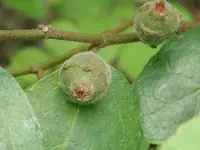
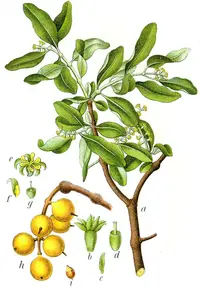
Creek sandpaper fig (Ficus coronata) is an evergreen shrub or small tree from the fig family, valued for its toughness and wildlife appeal. It has rough, sandpaper-like leaves, small figs along the branches, and a naturally dense, bushy habit when young. This species occurs along waterways and moist forests in eastern Australia, where it grows in warm, humid conditions with regular moisture. It adapts fairly well in cultivation but needs space, consistent moisture, and protection from hard frost, so it suits mild climates or large protected gardens. Understanding how to care for creek sandpaper fig starts with providing bright light, free-draining soil, and reliable water without long dry periods.

Care Difficulty
Moderate Care

Light Preference
Partial Sun

Water Requirements
Moderate Water

Temperature Preference
Warm Climate

Hardiness Zone
9–11

Soil Texture
Sandy, Loamy, Organic-rich

Soil pH
Acidic (5.5–6.5), Slightly acidic (6.5–7.0)

Soil Drainage
Moist but well-drained

Fertilization
Minimal (feed rarely)
Scan your plant to receive care tips personalized for your specific plant
Available on iOS and Android
Ficus coronata prefers bright light similar to its native creekside habitats, but with some protection from harsh midday sun.
Ficus coronata prefers consistently moist, well-drained soil, with brief drying near the surface between waterings.
This species prefers mild, frost-free conditions and tolerates warm summers if roots stay moist.
This species prefers moderately humid air but usually adapts well to typical indoor humidity.
Ficus coronata grows best in loose, well-aerated, slightly acidic to neutral soil that drains quickly but holds some moisture.
This species is suitable for container growing, especially in its early years or where space is limited.
Ficus coronata responds well to modest feeding when grown in containers or poor soil, but established landscape trees often need little input.
Ficus coronata benefits from light, structured pruning to maintain a healthy canopy and manageable size.
Container-grown or young landscape specimens of creek sandpaper fig occasionally need repotting or transplanting to support steady growth.
Ficus coronata is commonly propagated from cuttings or seed when establishing new plants for landscape or restoration use.
This species is moderately cold tolerant in mild climates, so established outdoor plants often need little winter intervention.

Plant Health Check
Not sure what's wrong with your plant? Check your plant's health inside the app.
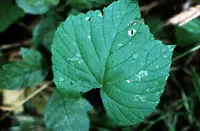
The leaves of this species have a rough, abrasive surface, which has led to their traditional use by some Australians as a natural sandpaper for smoothing tools and wood.
This fig naturally occurs along creeks, rivers, and moist gullies in eastern Australia, where its roots help stabilize banks and reduce erosion in riparian habitats.
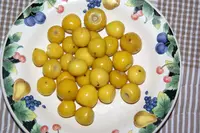
The small, rough-skinned figs are eaten by a variety of native birds and mammals, which then disperse the seeds and support the regeneration of this species along waterways.

Ficus coronata, like other figs, depends on a highly specific wasp for pollination, and this mutualism means the tree cannot produce viable seeds in the wild without the matching fig wasp species present.
Growth is moderate. In suitable outdoor conditions it often adds 30–60 cm of height per year, slower in pots. Young plants establish roots first, then extend upward and outward more quickly after the second or third year.
Keep your plants happy and healthy with plant identification, disease detection, and easy care guidance.