Mexican Mulberry Care (Morus celtidifolia)

Mexican Mulberry

About Mexican Mulberry

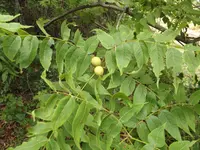
Mexican mulberry (Morus celtidifolia) is a small deciduous tree or large shrub known for its dark, blackberry-like fruits and rough-textured leaves. It has a rounded, spreading crown and can form thickets in favorable conditions.

This species is native to Mexico and parts of the southern United States, where it grows in woodlands, stream edges, and rocky slopes. It is generally tough, drought-tolerant once established, and adapts to different soils, which makes it relatively easy to grow.

Good light, moderate moisture, and well-drained soil support healthy growth and fruiting. Understanding these basic needs helps when learning how to care for Mexican Mulberry in gardens or naturalized plantings.

Main Plant Requirements

Care Difficulty

Easy Care

Light Preference

Full Sun

Water Requirements

Moderate Water

Temperature Preference

Warm Climate

Hardiness Zone

8–11

Soil Texture

Sandy, Loamy, Clay

Soil pH

Acidic (5.5–6.5), Slightly acidic (6.5–7.0)

Soil Drainage

Well-drained

Fertilization

Minimal (feed rarely)

Get Personalized Care Plan

Scan your plant to receive care tips personalized for your specific plant

Available on iOS and Android

How to Care for the Mexican Mulberry

Morus celtidifolia performs best in bright, direct sun for strong growth and good fruiting.

  • Provide 6–8 hours of direct sun daily; full sun is ideal, but light afternoon shade helps in very hot, dry regions.
  • Young or newly transplanted Mexican Mulberry benefits from filtered light during the hottest midday period to reduce leaf scorch.
  • In partial shade (around 3–4 hours sun), expect slower growth and fewer fruits; thin nearby canopy if shoots become weak or sparse.

This mulberry prefers evenly moist, well-drained soil rather than constant wetness.

  • Water when the top 3–5 cm of soil feel dry, applying a deep soak so moisture reaches the main root zone, then allow excess to drain away.
  • In spring and summer, monitor weekly during dry spells; in cooler or rainy seasons, reduce watering and rely more on natural rainfall.
  • Watch for yellowing leaves and soft stems as signs of overwatering, and crisp edges or premature leaf drop as indications of underwatering in Morus celtidifolia.

This species thrives in warm to hot climates but has some tolerance for winter cold.

  • Optimal growth occurs around 68–86°F (20–30°C), especially during the main growing season when shoots and fruit develop.
  • Established trees usually tolerate brief drops to about 15–20°F (-9 to -6°C), but young plants are more vulnerable and benefit from frost protection.
  • In hot summers above 95°F (35°C), provide mulch to cool the root zone and ensure consistent soil moisture to reduce heat stress and leaf scorch.

This species handles a wide humidity range and usually does not need special humidity management outdoors or in well-ventilated spaces.

  • Target 40–60% humidity, which is typical of most outdoor conditions in areas suitable for Mexican Mulberry.
  • Leaves that brown at the edges or curl while soil is evenly moist can indicate extended exposure to very dry air under 30%.
  • In unusually dry, hot sites, group plants near other vegetation or use mulch over the root zone to reduce evaporative stress.

Morus celtidifolia prefers moderately moist, well-aerated ground with steady drainage.

  • Use a loamy, crumbly soil structure made from roughly 40% garden loam, 40% compost, and 20% coarse material such as perlite or sharp sand.
  • Aim for slightly acidic to neutral pH around 6.0–7.2, avoiding highly alkaline or strongly acidic conditions that limit nutrient uptake.
  • Improve drainage and aeration by incorporating coarse sand, fine gravel, or perlite through the top 20–30 cm before planting.
  • Avoid compacted clay, waterlogged areas, or sites where water stands after rain, as persistent saturation encourages root rot.

This species can be grown in containers for some years, provided the pot supports its eventual size and root vigor.

  • Choose a deep, heavy container that resists tipping, as the plant becomes top-heavy when stems lengthen and fruit develops.
  • Select pot materials like thick terracotta or concrete if extra stability and slightly faster drying are needed in wet climates.
  • Raise the container on pot feet or bricks so that drainage holes stay clear and excess water exits quickly after rain or irrigation.

Morus celtidifolia is generally low‑maintenance but benefits from light feeding in poor soils or containers.

  • Use a balanced slow‑release fertilizer (e.g., 10‑10‑10) or a thin layer of compost in early spring as growth resumes.
  • Feed outdoor trees 1–2 times per growing season; container plants may need 2–3 light applications.
  • Apply fertilizer at half the label rate for young or stressed plants to avoid root burn.
  • Stop feeding in late summer and avoid winter fertilization so the tree can enter dormancy naturally.

Pruning Morus celtidifolia helps maintain size, structure, and fruiting wood without stressing the tree.

  • Carry out main pruning in late winter while the tree is dormant and leafless for best visibility.
  • Remove dead, diseased, crossing, or inward‑growing branches first using clean, sharp bypass pruners or a hand saw.
  • Thin crowded interior shoots to improve light penetration and air flow, which supports healthy growth.
  • Shorten overly long or sprawling branches to shape the canopy and keep fruit within reachable height.

This mulberry is usually grown in the ground, so focus on careful transplanting rather than frequent repotting.

  • Transplant in late winter to early spring while dormant, before new growth begins, to reduce shock.
  • Look for signs such as circling roots, water running off quickly, or slowed growth in containers before upsizing.
  • Move to a hole or container 1.5–2× wider than the root ball, using well‑drained soil at the same planting depth.
  • Water deeply after planting, then keep soil evenly moist for several weeks and shade the canopy in hot, windy conditions.

Morus celtidifolia is commonly propagated by seed, softwood cuttings, or simple layering for home use.

  • Sow fresh seeds in fall or after 60–90 days of cold stratification at 35–40°F to improve germination.
  • Take softwood cuttings in late spring to early summer, use rooting hormone, and place in a moist, free‑draining medium.
  • Maintain high humidity and bright, indirect light around cuttings, keeping the rooting mix just slightly moist.
  • For simple layering, bend a low branch to the ground, wound slightly, pin and cover with soil, then sever once rooted.

This species is generally cold hardy in mild to moderate winters and needs only basic winter care outdoors.

  • Once leafless and dormant, it tolerates light to moderate frosts but young trees are more sensitive.
  • Apply 5–8 cm of organic mulch around the root zone, keeping it slightly away from the trunk base.
  • Move container‑grown plants into a sheltered, unheated area where temperatures stay above about 25°F.

Care Tips

Early structural training

In the first 2–3 years, choose 3–5 main scaffold branches and remove competing or very low shoots to create a strong, open framework that can safely carry heavy fruit loads later.


Root-zone mulching

Maintain a 5–8 cm layer of coarse organic mulch from 15–30 cm away from the trunk out to the drip line to keep roots cool, reduce soil moisture swings, and limit weed competition.

Bird and fruit management

Install bird netting before fruits start to color and thin very dense clusters by hand so remaining berries size up better and branches are less likely to bend or break.

Storm and branch support

Before summer storms or in very heavy fruiting years, prop long, flexible branches with padded stakes or tie them loosely to sturdy supports to prevent splitting at the crotches.

Minimal ground shading

Mow or trim groundcovers and tall weeds under and just beyond the canopy so young roots receive warmth and air circulation, which makes caring for Mexican Mulberry easier in varied garden conditions.

Common Pests and Diseases

Mulberry leaf spot

This disease causes small brown to purplish spots on leaves that may merge, leading to yellowing and early leaf drop, especially in humid, warm conditions.

Solution

Remove and dispose of heavily spotted, fallen leaves to reduce spores, and avoid overhead watering so foliage dries quickly. Improve air circulation by light pruning and, if needed, apply a copper-based fungicide labeled for fruit trees at the first sign of spotting during wet periods.

Bacterial leaf blight

This disease produces water-soaked, dark lesions along leaf margins and veins, sometimes leading to scorched-looking foliage and twig dieback on young growth.

Solution

Prune out and destroy affected twigs and badly damaged leaves during dry weather, disinfecting pruning tools between cuts. Reduce plant stress by regular but not excessive watering, avoid overhead irrigation, and do not fertilize heavily with nitrogen, which encourages susceptible soft growth.

Silkworm caterpillars

These insects feed on mulberry foliage and can rapidly skeletonize or strip leaves, especially on young or low branches.

Solution

Hand-pick caterpillars from reachable branches and destroy them, and encourage natural predators such as birds by avoiding broad-spectrum insecticides. For heavier infestations, use a biological control containing Bacillus thuringiensis (Bt) directed only at foliage where caterpillars are feeding, following label directions.

Mulberry scale

This pest appears as small, hard, dome-shaped bumps on stems and branches, sucking sap and causing yellowing leaves, reduced vigor, and sooty mold from honeydew on nearby surfaces.

Solution

Prune out heavily infested twigs and dispose of them, then wash remaining stems with a firm spray of water to dislodge loose scales. During the crawler stage, apply a horticultural oil labeled for woody plants, coating branches thoroughly to smother young scale insects without harming the tree significantly.

Spider mites

These pests thrive in hot, dry conditions and cause fine stippling, dull or bronzed foliage, and delicate webbing on the undersides of leaves.

Solution

Increase humidity around the canopy by periodic hosing and rinse leaf undersides thoroughly to knock mites off the plant. For persistent outbreaks, use insecticidal soap or a light horticultural oil, applied in the early morning or evening and repeated as needed while monitoring for mite activity.

Interesting Facts

Native canyon specialist

This species naturally occurs in canyons, ravines, and along rocky stream banks from the southwestern United States through Mexico into Central America, showing a clear adaptation to seasonally dry yet flood-prone habitats.

Sandpaper-like foliage

Its leaves often feel rough or sandpapery to the touch because of small stiff hairs on the surface, a trait that helps reduce water loss and deter some herbivores.

Bird-dispersed berries

The small dark purple to almost black fruits ripen quickly and are highly attractive to birds, which eat the berries and disperse the tiny seeds over long distances in their droppings.

Botan icon

Did you know?

Genetic and morphological studies indicate that this species is closely related to other New World mulberries and has been treated under several names (including Morus microphylla in some sources), highlighting ongoing taxonomic revision within the mulberry group rather than a single, long-stable classification.

FAQs about Mexican Mulberry

This species is generally fast-growing, often adding 30–90 cm of height per year in suitable conditions. Growth is quickest in warm climates with regular moisture, good soil fertility, and enough root space.

Grow Healthy Plants with Botan Care

Keep your plants happy and healthy with plant identification, disease detection, and easy care guidance.


Botan plant care app — identify plants on mobile

Explore More Plants