Early leader selection
In the first 2–3 years, choose a single strong central stem and lightly remove competing upright shoots to build a stable main leader and reduce future storm breakage.

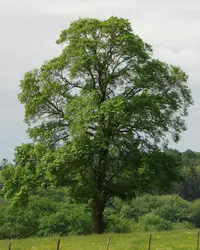
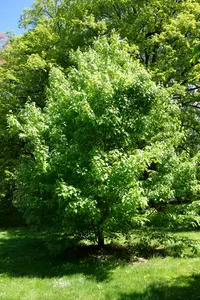
Small-leaved elm, Ulmus minor, is a deciduous tree known for its fine-textured foliage and graceful, rounded to oval crown. It is typically grown as a medium to large landscape tree rather than a houseplant.
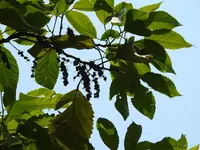
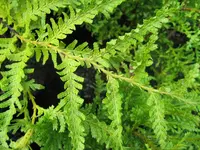
This species occurs naturally across much of Europe and parts of western Asia, often along rivers, hedgerows, and in mixed woodlands. The leaves are small, serrated, and densely arranged, giving the canopy a refined, filtered shade.
Ulmus minor adapts to a range of temperate climates and tolerates pruning, wind, and urban conditions, which can make it relatively manageable where Dutch elm disease pressure is lower. It generally prefers full sun, moderate moisture, and well-drained soil, and understanding these needs helps when planning how to care for Small-leaved Elm.

Care Difficulty
Moderate Care

Light Preference
Full Sun

Water Requirements
Moderate Water

Temperature Preference
Cold Hardy

Hardiness Zone
5–9

Soil Texture
Loamy, Clay, Silty

Soil pH
Slightly acidic (6.5–7.0), Neutral (7.0)

Soil Drainage
Moist but well-drained

Fertilization
Minimal (feed rarely)
Scan your plant to receive care tips personalized for your specific plant
Available on iOS and Android
This deciduous tree performs best in bright outdoor conditions with ample direct light.
This elm prefers evenly moist but not saturated soil, especially during its establishment phase.
This hardy elm tolerates a wide range of outdoor temperatures once established.
This species handles a wide humidity range and usually needs no special humidity management outdoors or in bright, airy spaces.
Ulmus minor prefers moderately moist, deep, loamy soil with structure that supports both drainage and stable moisture retention.
This species can be grown in containers when young, but the setup must support deep, spreading roots and a heavy canopy.
Ulmus minor benefits from light, balanced feeding but often grows acceptably in average garden soil.
Ulmus minor responds well to thoughtful structural pruning that manages size and tree health.
This elm is usually grown in the ground, so focus on careful transplanting rather than frequent repotting.
Ulmus minor is commonly propagated for hedging and restoration using both vegetative and seed methods.
This elm is cold hardy in much of its range and generally needs minimal winter care once established.

Plant Health Check
Not sure what's wrong with your plant? Check your plant's health inside the app.
Small-leaved elm often spreads by producing root suckers, creating extensive clonal stands where many stems are genetically the same individual.
This elm is strongly associated with base-rich, often calcareous soils and river terraces, which is why it commonly forms part of ancient lowland floodplain and hedgerow systems in Europe.
Its leaves are a primary host for several elm gall mites (Eriophyidae), which induce characteristic pouch and blister galls that can help botanists distinguish it from related elm species in the field.

In parts of western and central Europe, small-leaved elm has been identified as a significant reservoir of genetic diversity used in modern breeding programs aimed at improving resistance to Dutch elm disease in cultivated elms.
Container culture is possible if the pot is large, heavy, and deep, with good drainage. Expect more frequent watering and feeding, plus regular root and crown pruning to limit size and maintain structure when growing Small-leaved Elm this way.
Keep your plants happy and healthy with plant identification, disease detection, and easy care guidance.