Kawaka Care (Libocedrus plumosa)

Also known as: New Zealand Cedar
Kawaka

About Kawaka

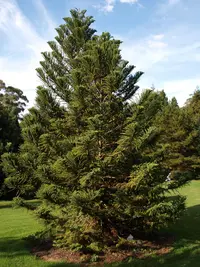
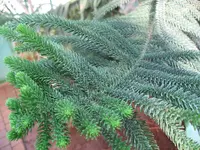
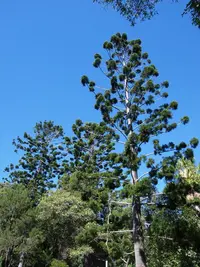
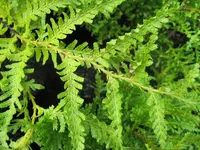
Kawaka, or Libocedrus plumosa, is a slow-growing evergreen conifer native to New Zealand forests. It forms a slender, upright tree with softly layered, feathery foliage. The flattened sprays of scale-like leaves create a fine texture, and mature trees develop a narrow, columnar crown with attractive, reddish-brown bark. In gardens, it is valued as an ornamental for cool, mild climates where soils stay evenly moist. It prefers good light with some shelter from harsh conditions. These traits make it rewarding but somewhat specialized, so it suits gardeners willing to learn how to care for Kawaka.

Main Plant Requirements

Care Difficulty

Moderate Care

Light Preference

Partial Shade

Water Requirements

Moderate Water

Temperature Preference

Cool Climate

Hardiness Zone

8–10

Soil Texture

Sandy, Loamy, Organic-rich

Soil pH

Acidic (5.5–6.5), Slightly acidic (6.5–7.0)

Soil Drainage

Moist but well-drained

Fertilization

Minimal (feed rarely)

Get Personalized Care Plan

Scan your plant to receive care tips personalized for your specific plant

Available on iOS and Android

How to Care for the Kawaka

Libocedrus plumosa grows best in cool, bright conditions with protection from harsh midday sun.

  • Provide 4–6 hours of direct morning sun with light shade or filtered light in the afternoon to prevent foliage scorch.
  • Plant Kawaka where it receives partial shade in hotter regions and can tolerate more open exposure in cool, coastal climates.
  • Watch for pale, sparse foliage as a sign of too little light, and browning or crispy tips as an indicator of excessive sun exposure.

This conifer prefers evenly moist, well-drained soil and does not tolerate prolonged drought or waterlogging.

  • Water when the top 3–5 cm of soil feel dry, allowing deeper soil to stay slightly moist rather than saturated.
  • Use free-draining soil and avoid standing water around roots, as Libocedrus plumosa is prone to root rot in heavy, compacted soils.
  • In summer dry spells, check soil every few days for dryness and watch for dull, drooping foliage as a sign it needs water; yellowing, limp growth may signal overwatering.

This species is a cool-temperate tree that handles mild frost but dislikes extreme heat or severe cold.

  • Aim for average growing-season temperatures of 50–75°F (10–24°C), with cooler nights supporting steady growth.
  • Mature trees tolerate brief drops to about 15–20°F (-9 to -6°C), but young plants benefit from protection during hard freezes.
  • In hot summers above 85°F (29°C), provide extra mulch and shade to keep roots cool and reduce heat stress and foliage browning.

This conifer prefers moderate humidity but adapts well to typical indoor and outdoor air levels.

  • Aim for 40–60% humidity, which suits Kawaka without encouraging fungal problems.
  • Tolerates short dry-air periods, but prolonged humidity below 30% can cause browning tips and increased needle drop.
  • Increase humidity with a nearby water tray or grouped plants rather than misting, which offers only brief surface moisture.

Libocedrus plumosa prefers cool, moist, well-drained soil with plenty of air around the roots.

  • Use a loamy, slightly sandy mix rich in organic matter to balance moisture retention with drainage.
  • Aim for slightly acidic to neutral pH, roughly 6.0–7.0, to support balanced nutrient uptake.
  • Combine compost, fine bark, and a smaller portion of sharp sand or perlite to improve structure and aeration.
  • Avoid compacted clay, waterlogged sites, or pure sand, which either suffocate roots or dry out too quickly.

This species can grow in containers for many years if the pot and substrate are managed carefully.

  • Choose a deep, heavy container to counteract the plant’s upright, potentially top-heavy growth and wind exposure.
  • Select a pot material with moderate moisture retention, such as thick-walled terracotta, to reduce root temperature swings.
  • Elevate the container slightly on pot feet so drainage holes stay clear and excess water exits quickly in heavy rain or watering.

Libocedrus plumosa is a slow-growing conifer that needs only modest feeding in cultivation.

  • Apply a balanced slow-release fertilizer (around 10-10-10) at half label rate once in early spring for caring for Kawaka.
  • On poor soils, top-dress with a thin layer of mature compost over the root zone, keeping it away from the trunk.
  • Avoid midsummer and late-fall feeding, which can stimulate tender growth vulnerable to cold.
  • Do not fertilize newly planted trees until after the first full growing season, and skip feeding in winter dormancy.

Libocedrus plumosa needs minimal pruning, mainly to maintain structure and remove problem growth.

  • Best time is late winter to early spring before new growth starts.
  • Remove dead, diseased, crossing, or wind-damaged branches back to a healthy lateral or the trunk.
  • Make clean cuts with sharp bypass pruners or loppers, avoiding stubs that can invite decay.
  • Limit shaping to light tip reduction to preserve the natural, feathery habit and avoid heavy thinning.

This species is usually grown in the ground, with transplanting more relevant than container repotting.

  • Transplant young trees in late winter or early spring while still dormant for best establishment.
  • Look for signs like circling roots in the nursery pot or stalled top growth as cues to upsize the container before planting out.
  • Move into a hole 2–3x wider than the root ball, keeping the root flare at soil level and backfilling with native soil.
  • Water deeply after planting, mulch 5–8 cm around (not touching the trunk), and shade temporarily to reduce transplant shock.

Libocedrus plumosa is typically propagated by semi-hardwood cuttings or seed, but success can be slow and variable.

  • Take semi-hardwood cuttings in late summer, 8–12 cm long, and remove lower foliage.
  • Dip bases in a rooting hormone, then insert into a free-draining medium such as 1:1 perlite and coarse sand under high humidity.
  • Provide bright, indirect light and gentle bottom heat around 68–72°F to encourage rooting over several months.
  • Sow fresh seed in autumn in a cold frame, allowing natural winter chilling to break dormancy and promote spring germination.

Established Libocedrus plumosa is moderately cold hardy and usually needs little winter care in mild climates.

  • Mulch the root zone with 5–8 cm of bark or wood chips in late fall, keeping mulch clear of the trunk.
  • In colder areas, wrap young trunks with breathable tree wrap to reduce frost cracking and sunscald.
  • Move container-grown plants to a sheltered, unheated but frost-protected spot, and water sparingly to keep soil just slightly moist.

Care Tips

Shelter From Wind

Plant in a position with protection from strong, drying winds or use temporary windbreak netting for young trees, as constant wind stress can distort the naturally layered foliage and cause dieback on exposed sides.

Formative Leader Training

In the first 3–5 years, select a single strong central leader and remove competing upright shoots in late winter so the tree develops the characteristic narrow, columnar form and resists splitting under snow or storm load.

Mulch Root Zone

Maintain a 5–8 cm layer of coarse bark or woodchip mulch over the root zone, keeping it a few cm away from the trunk, to stabilize soil moisture, keep roots cool, and reduce weed competition that can stress young Kawaka.

Avoid Soil Compaction

Keep foot traffic, vehicles, and heavy pots away from the dripline to prevent soil compaction over the shallow feeder roots, which can reduce oxygen availability and slow long‑term growth.

Gradual Climate Acclimation

When moving container plants from nursery or protected conditions to a more exposed site, increase light, wind, and cold exposure gradually over 2–3 weeks to reduce transplant shock and support more reliable success when growing Kawaka.

Common Pests and Diseases

Cypress aphids

These insects feed on sap from young twigs, causing yellowing, stunting, and dieback of branch tips, especially on stressed trees. This pest can also produce sticky honeydew that may encourage sooty mold growth on foliage.

Solution

Prune and destroy heavily infested twig tips, then improve tree vigor through proper watering and mulching. For active infestations, use a strong water spray to dislodge aphids and, if needed, apply a targeted insecticidal soap or horticultural oil to thoroughly coat affected shoots while avoiding spraying in high heat or direct midday sun.

Cypress leaf scale

This pest appears as small, flattened, pale scales on foliage and twigs, drawing sap and causing dull, yellowed, or thinning foliage. Heavy infestations can reduce vigor and make the tree more vulnerable to other stresses.

Solution

Cut out and dispose of heavily infested branch sections to reduce population hotspots. Encourage natural predators, then treat remaining affected areas with horticultural oil during the appropriate season, ensuring full coverage of twigs and foliage while monitoring the plant closely for reinfestation.

Kawaka needle blight

This disease causes browning and drop of older inner foliage, often progressing from the lower canopy upward under cool, damp conditions. Symptoms include scattered dead sprays of leaves that give the crown a thinned, patchy appearance.

Solution

Remove and dispose of affected interior twigs to reduce inoculum, and avoid overhead watering that keeps foliage wet for long periods. Improve air circulation around the tree, and in severe or recurrent cases consult local extension guidance on suitable fungicide options for Libocedrus plumosa care in your area.

Coryneum canker

This disease produces sunken, discolored lesions on branches, leading to girdling, dieback of shoots, and clusters of dead foliage beyond the canker. Symptoms include resin exudation and distorted growth on affected limbs.

Solution

Prune out infected branches several inches below visible symptoms during dry weather, disinfecting tools between cuts. Maintain tree vigor with correct watering and avoid mechanical injury to bark, since wounds favor infection and further spread.

Interesting Facts

New Zealand endemic conifer

This species is naturally restricted to New Zealand, occurring on both the North and South Islands, mainly in lowland to montane rainforests where the climate is mild and very moist.

Distinctive layered foliage

Its branchlets are flattened into fan-like sprays, with tiny scale leaves that overlap tightly, giving the crown a soft, feathery texture that is quite different from many other New Zealand conifers.

Important forest canopy tree

In suitable conditions it can form part of the main forest canopy, providing shelter and structural diversity that supports epiphytic plants and invertebrates in temperate rainforest ecosystems.

Botan icon

Did you know?

Fossil evidence indicates that close relatives of this species have been present in New Zealand since at least the Miocene, making it part of a very long-lived conifer lineage that has persisted through major climatic and geological changes on the islands.

FAQs about Kawaka

This conifer is relatively slow to moderate growing, usually adding about 20–40 cm of height per year in suitable conditions. Growth is slower in poor, dry, or exposed sites and faster in sheltered, moist, fertile locations.

Grow Healthy Plants with Botan Care

Keep your plants happy and healthy with plant identification, disease detection, and easy care guidance.

Botan plant care app — identify plants on mobile

Explore More Plants