Western Larch Care (Larix occidentalis)

Also known as: western tamarack, Montana larch
Western Larch

About Western Larch

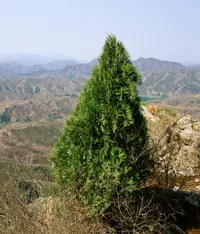
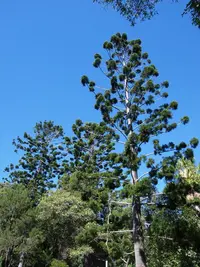
Western larch, Larix occidentalis, is a cold-hardy, deciduous conifer native to the northwestern United States and southwestern Canada. It naturally grows in cool mountain forests with long winters and short summers.

This tree develops a tall, straight trunk with airy, open branches and soft, bright green needles that turn golden yellow and drop in autumn. Cones are small and abundant, giving extra texture in winter once the needles have fallen.

Larix occidentalis prefers full sun, cool to cold winters, and well-drained, slightly acidic soils, so it is not suited to hot, dry, or very compacted sites. Gardeners who care for Western Larch should consider its eventual large size and need for space and light.

Main Plant Requirements

Care Difficulty

Moderate Care

Light Preference

Full Sun

Water Requirements

Moderate Water

Temperature Preference

Cold Hardy

Hardiness Zone

4–6

Soil Texture

Sandy, Loamy, Rocky

Soil pH

Strongly acidic (4.5–5.5), Acidic (5.5–6.5)

Soil Drainage

Well-drained

Fertilization

Minimal (feed rarely)

Get Personalized Care Plan

Scan your plant to receive care tips personalized for your specific plant

Available on iOS and Android

How to Care for the Western Larch

This deciduous conifer needs strong outdoor light to form dense, healthy foliage.

  • Provide full sun for 6–10 hours daily; Western Larch performs best on open sites with unobstructed exposure.
  • Allow light partial shade only in very hot, low-humidity areas, favoring morning sun and brief late-afternoon shade to reduce needle scorch risk.
  • Avoid long-term shade, which leads to sparse, elongated shoots and weak branches; ensure young trees are not overshadowed by buildings or larger trees.

This species prefers consistently moist but not saturated soil, especially while establishing.

  • Before watering, allow the top 2–5 cm of soil to dry, then water deeply so moisture reaches the full root zone rather than just the surface.
  • In the first 2–3 years, monitor closely during warm, dry weather; drooping, dull needles signal thirst, while yellowing needles with soft, waterlogged soil suggest overwatering.
  • Use well-drained, loamy or sandy soil; avoid standing water or compacted clay, which can promote root rot in Larix occidentalis.

This cold-hardy conifer thrives in cool to cold climates with distinct seasonal changes.

  • Optimal growing temperatures are about 55–75°F (13–24°C) during the active season, with cool nights supporting sturdy growth.
  • Mature trees tolerate winter lows down to about -40°F (-40°C) when hardened off, but young saplings need protection from sudden extreme cold and drying winds.
  • Heat tolerance is moderate; sustained temperatures above 90°F (32°C) combined with drought can cause needle scorch, so ensure soil moisture and some late-day shade in hot regions.

This species is adapted to cool, relatively dry mountain air, so indoor humidity management is usually unnecessary.

Larix occidentalis needs deep, well-drained, mineral-based soil that stays evenly moist but never waterlogged.

  • Use a coarse loam or sandy loam with 20–30% sharp sand or fine grit to mimic its native mountain soils.
  • Incorporate 10–20% well-decomposed compost to supply nutrients without making the mix heavy or waterlogged.
  • Aim for slightly acidic to neutral pH, around 5.5–7.0, and avoid strongly alkaline or saline conditions.
  • Prevent compaction by avoiding high-clay mixes and periodically loosening the top layer without disturbing main roots.

This conifer can be grown in containers for a limited time, mainly as a young tree or bonsai.

  • Choose a deep, heavy container that resists tipping, as the tree becomes top-heavy when stems elongate.
  • Select a pot material that insulates roots from rapid temperature swings, such as thick-walled ceramic or wood.
  • Use an extra-fast-draining mix and elevate the pot slightly so drainage holes never sit in collected runoff water.

This hardy conifer usually needs minimal feeding in the ground but benefits from light nutrition in poor soils or containers.

  • Use a balanced slow-release fertilizer (for example 10-10-10) or well-aged compost in early spring as new growth begins.
  • Apply once per year for established trees; container-grown Western Larch may receive a second light feed in midsummer.
  • Reduce or stop feeding from late summer onward to allow wood to harden before winter dormancy.
  • Use fertilizer at 1/2–3/4 label strength and water thoroughly afterward to avoid root burn.

Pruning Larix occidentalis is mainly structural and corrective, not heavy or frequent.

  • Schedule light pruning in late winter to very early spring while the tree is dormant and before bud break.
  • Remove dead, diseased, or storm-damaged branches first, cutting back to healthy wood with clean, sharp bypass pruners or a saw.
  • Thin crossing or crowded branches near the interior canopy to improve airflow and maintain a strong, open structure.
  • Limit tip shortening to minor adjustments, preserving the natural conical shape and avoiding large, flush cuts on the trunk.

Transplanting is more relevant than repotting, since this conifer is usually grown in the landscape rather than as a long-term container plant.

  • Move young trees when roots circle the container, growth slows, or the plant becomes top-heavy, typically every 2–3 years in nursery stages.
  • Plan transplanting for early spring or early fall, when soil is workable and temperatures are mild, to reduce stress on Larix occidentalis.
  • Dig a wide planting hole, keep as much of the root ball intact as possible, and set the tree at the same soil depth as before.
  • Water deeply after planting, apply a 5–8 cm mulch ring away from the trunk, and keep soil evenly moist while new roots establish.

Propagation of this species is usually done from seed and is slow, so it is more common in forestry and nursery settings than at home.

  • Collect ripe cones in late summer to early fall, then dry and extract seeds for sowing.
  • Provide cold stratification at 32–41°F for 60–90 days by mixing seeds with moist sand in a refrigerator to break dormancy.
  • Sow stratified seeds in a well-drained, slightly acidic mix, keep evenly moist, and maintain cool, bright conditions for gradual germination.
  • Use softwood cuttings only in specialized setups with mist and rooting hormones, as success rates are often low.

This deciduous conifer is very cold hardy and usually needs little special winter care once established in the ground.

  • Tolerates severe frost; shedding needles in fall is normal dormancy, not damage.
  • Apply a 5–8 cm mulch layer over the root zone in late fall, keeping it a few cm away from the trunk to moderate soil temperature.
  • For young or container plants, shield the root ball from extreme freeze–thaw by heeling pots into soil or moving them to an unheated but sheltered area.

Care Tips

Snow load management

In areas with heavy, wet snow, gently knock accumulation off young branches with a soft broom to prevent bending or breakage, especially during the first 5–7 years while the framework is still developing.


Windfirm root training

On exposed sites, reduce staking gradually over 2–3 seasons and allow moderate movement of the trunk so the tree develops a stronger root plate and better wind resistance.

Undercanopy weed control

Maintain a 60–90 cm grass‑free mulch ring around the base to reduce competition for moisture and nutrients, but keep mulch pulled back 5–8 cm from the trunk to avoid bark rot.

Targeted form training

Inspect the leader and top whorl each late winter, removing competing upright shoots and lightly shortening any that rival the main leader so the tree maintains a single, stable central trunk.

Wildlife browsing protection

In areas with deer, use a 1.5–1.8 m tall mesh guard or fencing around young trees for at least the first 5–8 years to prevent repeated browsing that can permanently distort structure when growing Western Larch.

Common Pests and Diseases

Larch casebearer

This pest is a small moth whose larvae mine inside the needles, causing them to brown and drop prematurely, which can weaken young trees severely.

Solution

Prune out and destroy heavily infested twigs in late winter to reduce overwintering larvae, and, where practical, use a targeted insecticide containing spinosad or Bacillus thuringiensis kurstaki timed to larval emergence in spring; encourage natural predators and avoid stressing the tree with drought to improve resistance.

Larch needle cast

This disease is caused by fungi such as Meria laricis and Rhabdocline species that infect needles, leading to yellowing, browning, and early needle drop, often starting in the lower crown and moving upward.

Solution

Collect and destroy fallen needles to reduce fungal spores, improve spacing and airflow around trees, and, in high‑value plantings, apply a labeled copper or chlorothalonil fungicide just before budbreak and repeat according to product directions if wet spring weather persists.

Larch needle blight

This disease, often due to Mycosphaerella and related fungi, causes small dark spots on needles that expand into brown bands, followed by partial needle loss and a thin, sparse crown over time.

Solution

Rake and remove infected needles, thin nearby vegetation to increase light and air movement, and use preventive fungicide sprays in early spring on ornamental or young trees that have a history of infection, following local extension guidance for timing and product choice.

Larch aphids

These insects feed on sap of young shoots and needles, causing distorted growth, reduced vigor, and sticky honeydew that can support sooty mold on stems and foliage.

Solution

Spray infested branches with a strong stream of water to dislodge aphids, preserve or introduce natural enemies such as lady beetles, and, if populations remain high on young or stressed trees, apply a horticultural soap or lightweight horticultural oil, coating needles and stems thoroughly.

Bark beetles

These insects bore into the bark and phloem, creating galleries that disrupt water and nutrient flow; symptoms include pitch tubes, boring dust, fading needles, and branch dieback, especially in drought‑stressed trees.

Solution

Focus on prevention by maintaining tree vigor with adequate water during dry periods and avoiding mechanical damage, remove and properly dispose of heavily infested trees or logs to reduce beetle breeding sites, and consult local forestry or extension services about any regionally recommended pheromone traps or protective trunk sprays when managing or growing Western Larch in high‑risk areas.

Interesting Facts

Deciduous but coniferous

Western larch is one of the few conifers that is fully deciduous, dropping all its soft needles each autumn after they turn golden yellow, then flushing a fresh set in spring.

Fire-adapted thick bark

Mature western larch develop very thick, corky bark that insulates living tissues from moderate forest fires, allowing many older trees to survive repeated burns in its native inland Northwest forests.

Exceptional timber quality

The wood of western larch is dense, strong, and relatively rot-resistant, so it is widely used in construction, utility poles, and high-stress structural applications where dimensional stability is important.

Botan icon

Did you know?

Western larch can become one of the tallest and longest-lived trees in the inland Pacific Northwest, with some individuals documented at over 50 m tall and more than 700 years old in undisturbed mountain forests.

FAQs about Western Larch

This conifer is deciduous, not evergreen. Soft needles turn golden-yellow in autumn and then drop for winter, leaving bare branches. New needles emerge in spring, so winter leaf loss is normal and not usually a health problem.

Grow Healthy Plants with Botan Care

Keep your plants happy and healthy with plant identification, disease detection, and easy care guidance.

Botan plant care app — identify plants on mobile

Explore More Plants