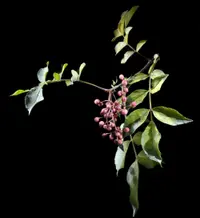
Oriental arborvitae Care (Platycladus orientalis)

Also known as: Chinese arborvitae, biota, Oriental thuja, Chinese thuja
Oriental arborvitae

About Oriental arborvitae

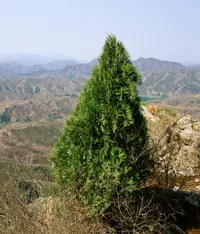
Oriental arborvitae (Platycladus orientalis) is a compact evergreen conifer, often grown as a hedge, windbreak, or specimen in gardens and landscapes. It forms dense, upright foliage with flattened sprays of aromatic, scale-like leaves that stay green year-round.

This species is native to northern China and parts of East Asia but is widely cultivated in temperate regions. It adapts well to pruning and is often used for formal shapes and small-scale topiary.

Gardeners value it for its hardiness, moderate growth rate, and tolerance of urban conditions, once established. To care for Oriental arborvitae, provide sun, moderately moist but well-drained soil, and protection from extreme drought or waterlogging.

Main Plant Requirements

Care Difficulty

Easy Care

Light Preference

Full Sun

Water Requirements

Moderate Water

Temperature Preference

Cold Hardy

Hardiness Zone

5–9

Soil Texture

Sandy, Loamy, Clay

Soil pH

Slightly acidic (6.5–7.0), Slightly alkaline (7.0–7.5)

Soil Drainage

Well-drained

Fertilization

Minimal (feed rarely)

Get Personalized Care Plan

Scan your plant to receive care tips personalized for your specific plant

Available on iOS and Android

How to Care for the Oriental arborvitae

This sun-loving conifer performs best with consistent, direct light in most climates.

  • Provide 6–8 hours of direct sun daily; morning sun plus light afternoon shade suits young or newly planted trees in hot summers.
  • Established Oriental arborvitae tolerate light or dappled shade, but dense shade leads to sparse, elongated growth and thinning foliage.
  • In regions with intense summer sun, protect from harsh late-afternoon exposure to reduce foliage scorch and winter desiccation, especially in windy sites.

This species prefers evenly moist but well-drained soil, especially during its establishment period.

  • Water when the top 3–5 cm of soil feels dry, applying a deep soak at the root zone rather than frequent light sprinkling.
  • During the first 1–2 growing seasons for Platycladus orientalis, monitor closely in summer droughts and after hot, windy days, then reduce frequency once roots are established.
  • Watch for stress signs: overwatering causes yellowing, limp foliage and soggy soil; underwatering causes browning tips, brittle branchlets, and dry, pulling soil.

This hardy conifer tolerates a wide temperature range but grows best in moderate conditions.

  • Optimal active growth occurs around 60–75°F (16–24°C), with steady moisture and protection from extreme drying winds.
  • Mature plants typically tolerate winter lows near -20°F (-29°C) when hardened, but young specimens benefit from mulch around the root zone.
  • In hot climates, plants handle 90–95°F (32–35°C) if soil stays slightly moist; prolonged heat with dry soil causes browning and increased pest stress.

This conifer tolerates a broad humidity range and rarely needs special humidity management outdoors.

  • Performs reliably in 30–60% humidity, matching typical outdoor air in most temperate regions.
  • Handles dry air well once established, so extra misting or trays are not usually necessary.
  • Watch for browning or crisping of inner foliage tips during prolonged hot, very dry winds, and prioritize deep soil watering over humidity boosts.

Soil preparation for this species focuses on drainage and structure rather than fertility.

  • Use a mineral-based, well-drained mix such as sandy or loamy soil with 20–30% coarse sand or fine gravel to prevent waterlogging.
  • Aim for slightly acidic to slightly alkaline pH (6.0–7.5), which suits Platycladus orientalis root function and nutrient uptake.
  • Incorporate modest amounts of compost or well-rotted bark to add structure, but avoid heavy peat-rich mixes that hold excess water.
  • Avoid compacted clay and poorly drained low spots; if needed, plant on a raised mound or berm to improve aeration around the root zone.

This species is suitable for container growing, especially as a patio or entryway specimen.

  • Choose a tall, heavy container to counter the plant’s narrow, upright, top-heavy form and reduce tipping in strong wind.
  • Select a pot that is wider than the root mass to allow lateral root spread, which improves stability and drought resilience.
  • Use a container mix amended with coarse sand or fine gravel so water drains quickly through the drainage holes after deep irrigation.

This conifer grows steadily with modest feeding and does not need heavy fertilization for healthy foliage.

  • Use a slow-release balanced NPK fertilizer, such as 10-10-10, once in early spring for young or container-grown Oriental arborvitae.
  • Apply a light top-dressing of compost around the drip line to support soil structure and microbial life.
  • During the growing season, avoid more than 1 light application, and always follow label rates without exceeding them.
  • Stop feeding in late summer so new growth can harden before winter, and do not fertilize in winter dormancy.

Pruning Platycladus orientalis focuses on health and light shaping rather than heavy cutting.

  • Schedule light pruning in late winter or very early spring before new growth starts.
  • Remove dead, diseased, rubbing, or storm-damaged branches first using clean, sharp bypass pruners or loppers.
  • Trim only green outer shoots, avoiding cuts back into old brown wood, to maintain a dense, natural form.
  • Make small, selective cuts along branch tips to refine shape and control size without stressing the plant.

This species is usually grown in the ground, so transplanting is more common than container repotting.

  • Plan moves for late fall or early spring when growth is slow and temperatures are mild.
  • Look for signs such as roots circling the pot, water running off quickly, or slowed growth in container plants.
  • Dig a wide planting hole, keep the root ball intact, and set the plant at the same soil depth as before.
  • Water thoroughly after planting, then maintain even soil moisture and apply a 5–8 cm mulch ring to reduce root stress.

New plants are most often produced from semi-hardwood cuttings, with seeds used mainly for larger-scale growing.

  • Take semi-hardwood cuttings in late summer, 8–12 cm long, from healthy, non-flowering shoots.
  • Remove lower foliage, dip the base in rooting hormone, and insert into a free-draining mix under high humidity and bright, indirect light.
  • Maintain consistent moisture but not saturation, and keep temperatures around 65–75°F for rooting.
  • Sow fresh seeds outdoors in fall or cold-stratify them indoors, since many need winter chilling to germinate well.

This conifer is generally cold hardy and needs only minimal winter care in most temperate climates.

  • In regions with severe freezes, apply a 5–8 cm mulch layer over the root zone, keeping it slightly away from the trunk.
  • Water well before the ground freezes so roots enter winter fully hydrated.
  • Shelter young or container plants from drying winter winds using windbreaks or by placing them in a protected spot.
  • Move pots in very cold areas into an unheated garage, cold frame, or against a sheltered wall to buffer roots from extreme lows.

Care Tips

Wind protection planning

In open or windy sites, install a permeable windbreak such as slatted fencing or a hedge of tougher shrubs on the windward side to reduce desiccation and prevent young trees from leaning or snapping.

Snow load management

In regions with heavy, wet snow, loosely tie the outer branches together with soft garden twine in late fall to keep the narrow crown from splaying and to reduce branch breakage, then remove the ties in early spring.

Living screen spacing

For hedging, stagger plants in a double row with 45–60 cm between plants and 60–75 cm between rows to create a denser, faster-closing screen than a single straight line.

Root flare check

When planting or refreshing mulch, expose the root flare so the first major roots sit at or just above soil level, which reduces the risk of trunk rot and improves long-term stability.

Scale insect scouting

From late spring onward, inspect inner branchlets every 4–6 weeks for tiny bumps or sticky residue, and if present, treat early with horticultural oil according to label directions to keep caring for Oriental arborvitae effective and prevent dieback from scale infestations.

Common Pests and Diseases

Bagworms

This pest feeds on foliage and builds spindle-shaped bags from leaves and silk that hang from branchlets. Symptoms include thinning, browning tips, and defoliation, often starting on the lower or inner branches.

Solution

Hand-pick and destroy bags during fall–early spring before larvae emerge, then prune out heavily infested twigs. For larger trees, use a targeted Bacillus thuringiensis (Bt) or spinosad spray just as the tiny caterpillars hatch and before bags reach 1–2 cm, making sure to coat the outer foliage thoroughly.

Spider mites

These insects are tiny sap feeders that cause fine stippling and dull, grayish or bronzed foliage, especially during hot, dry weather. Symptoms include very fine webbing on inner branchlets and premature browning or shedding of scale-like leaves.

Solution

Spray foliage forcefully with water, including inner branches, 2–3 times per week to knock mites off and raise humidity. If populations stay high, apply a horticultural oil or insecticidal soap to all leaf surfaces in the early morning, repeating every 7–10 days as needed while monitoring for predators such as lady beetles.

Juniper blight

This disease causes scattered branch tips to turn dull green, then reddish brown, often with a sharp boundary between healthy and dead tissue. Symptoms include dead, brittle twig tips and small dark fruiting bodies on infected stems and scale leaves in humid weather.

Solution

Prune out infected shoots several inches back into healthy tissue during dry weather and discard them away from conifers, then thin dense areas to improve airflow. Avoid overhead watering, keep the base free of fallen debris, and consider a preventive fungicide labeled for conifer blights if the plant has a history of repeat infections, especially in plantings of multiple trees.

Cercospora needle blight

This disease leads to inner foliage yellowing and browning, while outer branch tips stay green, giving a thinned, see-through look. Symptoms include premature shedding of older foliage and sometimes small dark spots or bands on affected scale leaves.

Solution

Rake and remove fallen foliage around the plant and lightly thin crowded branches to reduce humidity within the canopy. In landscapes with recurring problems, apply a labeled foliar fungicide in late spring and again in early summer, making sure to coat inner foliage where infection often begins, as part of broader Platycladus orientalis care instructions for humid regions.

Juniper scale

These insects are small, round, hard-shelled scale insects that attach to stems and needle bases and suck sap. Symptoms include overall loss of vigor, sparse foliage, and dull, yellowed or grayish branches with fine white to gray scale bumps.

Solution

Prune and discard heavily infested twigs, then inspect remaining branches closely. For active crawler stages in late spring, use insecticidal soap or horticultural oil directed at stems and undersides of foliage, repeating in 7–14 days, and avoid over-fertilizing, which can increase susceptibility.

Interesting Facts

Fan-like spray foliage

This species forms flattened, vertical sprays of scale-like leaves, a distinctive branching pattern that makes it easy to distinguish from true Thuja species, which usually have more horizontal sprays.

High drought tolerance

Once established, this conifer tolerates relatively dry conditions and poor, alkaline soils, which has led to its widespread use in arid and urban landscapes across northern China and other temperate regions.

Ancient ornamental history

Archaeological and historical records show it has been cultivated around temples, palaces, and graveyards in China for many centuries, making Platycladus orientalis one of the oldest continuously grown ornamental conifers.

Botan icon

Did you know?

Genetic and fossil evidence indicate that this species is the only living member of its genus, making it a relict conifer that preserves a unique evolutionary lineage within the cypress family (Cupressaceae).

FAQs about Oriental arborvitae

Growth is generally slow to moderate. In average conditions, expect about 15–30 cm of new height per year, with faster growth in deep, well-drained soil and slower growth in compacted or very dry sites.

Grow Healthy Plants with Botan Care

Keep your plants happy and healthy with plant identification, disease detection, and easy care guidance.

Botan plant care app — identify plants on mobile

Explore More Plants