Wind‑hardening young trees
Stake only the first 1–2 years and allow some trunk movement in the wind so the tree develops strong taper and anchoring roots, then remove stakes completely to avoid girdling.

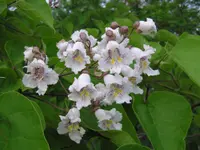
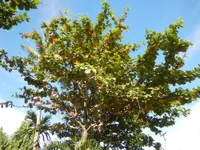
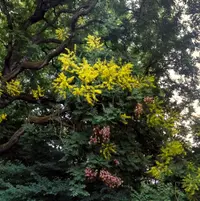
Southern catalpa (Catalpa bignonioides) is a fast-growing deciduous tree known for its large heart-shaped leaves and showy white, trumpet-shaped flowers in late spring or early summer. It often develops a broad, irregular crown and long hanging seed pods that give the tree a distinctive look year-round.
This species is native to the southeastern United States but is widely planted as an ornamental shade tree in many temperate regions. It tolerates urban conditions, variable soils, and some drought, which generally makes it straightforward to care for southern catalpa in typical garden settings.
The tree grows best in full sun and moderately moist, well-drained soil, but can adapt to less-than-ideal conditions if given space for its roots and canopy.

Care Difficulty
Easy Care

Light Preference
Full Sun

Water Requirements
Moderate Water

Temperature Preference
Cold Hardy

Hardiness Zone
5–9

Soil Texture
Sandy, Loamy, Clay

Soil pH
Slightly acidic (6.5–7.0), Slightly alkaline (7.0–7.5)

Soil Drainage
Moist but well-drained

Fertilization
Minimal (feed rarely)
Scan your plant to receive care tips personalized for your specific plant
Available on iOS and Android
This species develops best as a sun-loving landscape tree with access to long, bright days.
This tree prefers evenly moist, deep soil but copes better with brief dryness than standing water.
This hardy deciduous tree tolerates a wide climate range but grows best in moderate warmth.
This species tolerates a wide humidity range and usually does not need special air moisture management outdoors.
This tree prefers moderately fertile, moist but well-drained soil with a loose structure for stable root development.
This large, fast-growing tree is generally unsuitable for long-term container cultivation.
Catalpa bignonioides usually grows well in average soil but benefits from light feeding on poor or exhausted sites.
Pruning Catalpa bignonioides focuses on safety, structure, and clearance rather than tight size control.
Southern catalpa is typically grown in-ground, so focus on careful transplanting of young trees rather than long-term container culture.
Catalpa bignonioides is most commonly propagated from seeds, with cuttings used when specific traits must be preserved.
This tree is generally cold hardy in much of its range and needs minimal winter care once established in the landscape.

Plant Health Check
Not sure what's wrong with your plant? Check your plant's health inside the app.
The cigar-like seed pods are a key food source for caterpillars of the catalpa sphinx moth (Ceratomia catalpae), creating a well-known host–herbivore relationship in the southeastern United States.
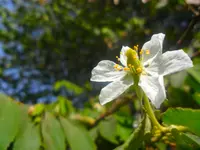
Its large white flowers have yellow and purple markings that act as nectar guides, visually directing pollinating insects toward the nectar and reproductive structures.
This tree commonly thrives on disturbed sites and in urban conditions, tolerating compacted, alkaline, and nutrient-poor soils better than many other ornamental hardwoods.

Southern catalpa was historically planted near farm ponds and fishing spots in the southeastern United States so that catalpa sphinx caterpillars could be harvested and used as prized live bait for freshwater fish.
Lack of flowers usually comes from too much shade, juvenile age, or heavy nitrogen fertilization. Late frosts can damage buds, and hard pruning removes flower wood. Stable sun exposure and moderate feeding help restore blooming over several seasons.
Keep your plants happy and healthy with plant identification, disease detection, and easy care guidance.