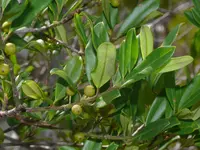
European spindletree Care (Euonymus europaeus)

Also known as: Spindle, spindletree, Spindleberry, Skewer wood, Common spindle tree
European spindletree

About European spindletree

European spindletree, Euonymus europaeus, is a deciduous shrub or small tree valued for its bright autumn color and unusual fruit. It typically has a rounded, branching habit with smooth green stems that become more textured with age.

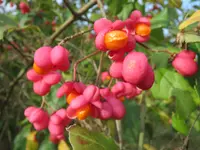
In fall, the leaves turn yellow to red, and the pink, four-lobed seed capsules split to reveal orange seeds, giving strong seasonal interest. The plant is native to much of Europe and parts of western Asia, usually growing in hedgerows and woodland edges.

It is generally hardy and tolerant of cold, wind, and pruning, which makes it relatively easy to establish in gardens. Those learning how to care for European spindletree should know it prefers sun to light shade and moderately moist, well-drained soil.

Main Plant Requirements

Care Difficulty

Moderate Care

Light Preference

Full Sun

Water Requirements

Moderate Water

Temperature Preference

Cold Hardy

Hardiness Zone

3–7

Soil Texture

Sandy, Loamy, Clay

Soil pH

Slightly acidic (6.5–7.0), Slightly alkaline (7.0–7.5)

Soil Drainage

Well-drained

Fertilization

Minimal (feed rarely)

Get Personalized Care Plan

Scan your plant to receive care tips personalized for your specific plant

Available on iOS and Android

How to Care for the European spindletree

This shrub thrives outdoors in sites with strong light and good air movement.

  • Provide 6–8 hours of direct sun daily; morning sun with light afternoon shade reduces leaf scorch in hot summers.
  • Tolerates partial shade with 3–4 hours of sun, but European spindletree develops best color and fruiting in more direct light.
  • In hot climates, protect from intense afternoon sun and reflected heat; in cooler regions, choose open, unshaded spots to maximize low winter light.

This species prefers evenly moist, well-drained soil once established in the landscape.

  • Water when the top 3–5 cm of soil are dry, then soak the root zone deeply so moisture reaches 15–20 cm down.
  • During the first 1–2 growing seasons, monitor closely in dry spells; in mature shrubs, focus on extended droughts or very sandy soils.
  • Ensure sharp drainage to prevent root rot; yellowing, soft leaves suggest overwatering, while leaf edge browning and premature drop indicate underwatering.

This hardy deciduous shrub tolerates a wide temperature range in temperate climates.

  • Optimal growing temperatures are about 60–75°F (16–24°C) in spring and early summer, with cooler nights promoting sturdy growth.
  • The plant is cold hardy to about -20°F (-29°C) once established, but young plants benefit from mulch around the root zone in severe winters.
  • Heat tolerance is moderate; in prolonged periods above 90°F (32°C), provide soil moisture and light afternoon shade to limit stress and leaf scorch.

This species handles a wide humidity range and rarely needs special humidity management outdoors.

  • Tolerates 30–70% humidity, so typical outdoor air in most regions is acceptable.
  • Dry air plus strong sun may cause marginal leaf browning and slight leaf curl on young plants.
  • In very dry, hot sites, group shrubs or use a nearby mulch layer to slightly buffer rapid moisture loss around foliage.

Euonymus europaeus prefers moderately fertile, well-structured soil that drains freely yet holds some moisture.

  • Use a loamy or sandy-loam soil with plenty of fine mineral particles and some organic matter for stable structure.
  • Aim for pH 6.0–7.5; mildly acidic to neutral conditions support balanced nutrient availability.
  • Blend in 20–30% compost and, on heavy soils, 10–20% sharp sand or fine gravel to improve drainage and aeration.
  • Avoid compacted clay, sites that stay waterlogged after rain, or pure sand that dries out extremely fast.

This shrub can be grown in containers, though it suits medium to large, stable pots.

  • Choose a deep, heavy container that resists tipping as the woody framework becomes taller and more rigid.
  • Select a pot just 5–10 cm wider than the rootball to limit excessive substrate that stays wet after watering.
  • Use a thick, mineral-rich mix so the weight of the substrate helps anchor the plant against wind movement.

This deciduous shrub or small tree benefits from modest feeding but often grows acceptably in average garden soil without extra fertilizer.

  • Apply a balanced slow-release fertilizer (for example 10-10-10) once in early spring as new growth starts.
  • On poorer soils, supplement with a thin layer of garden compost around the root zone each spring.
  • Use fertilizers at 1/2 label strength for container plants to avoid salt buildup and root burn.
  • Stop feeding European spindletree by late summer so new growth hardens before winter.

Pruning Euonymus europaeus is mainly used to maintain structure, encourage healthy growth, and manage size.

  • Carry out main pruning in late winter or very early spring before bud break.
  • Remove dead, damaged, crossing, or inward-growing branches first to improve airflow and light penetration.
  • Shorten overly long shoots to shape the crown, keeping a natural outline rather than tight clipping.
  • Use clean, sharp bypass pruners or loppers and make cuts just above outward-facing buds or branch junctions.

This species is usually grown in the ground, so focus on careful transplanting rather than frequent repotting.

  • Transplant young plants in early spring or early fall when soil is moist and temperatures are mild.
  • Look for signs such as slow growth, roots circling the pot, or the plant becoming unstable before upsizing containers.
  • Move to a hole or pot just 1–2 sizes larger, using well-drained soil and planting at the same depth as before.
  • Water thoroughly after planting, then keep soil evenly moist for several weeks to limit transplant shock and support root establishment.

Propagation of Euonymus europaeus is commonly done from cuttings or seeds, with cuttings giving more predictable results.

  • Take semi-ripe stem cuttings in mid to late summer, about 10–15 cm long, from non-flowering shoots.
  • Remove lower leaves, dip the base in rooting hormone, and place in a free-draining mix under high humidity and bright shade.
  • Sow cleaned seeds in fall and expose them to natural winter cold (stratification) to break dormancy.
  • Keep seed trays or cuttings just moist, not wet, and maintain good air movement to reduce fungal problems while roots form.

This hardy shrub tolerates typical outdoor winters in much of the US and usually needs only minimal attention.

  • Established in-ground plants withstand frost and freezing temperatures in suitable USDA zones without special covers.
  • Apply a 5–8 cm mulch layer over the root zone in late fall, keeping it slightly away from the trunk.
  • Move container-grown plants into a sheltered spot, such as an unheated garage or against a protected wall, to avoid root freeze.
  • Avoid late-season nitrogen-rich feeding so new shoots mature and are less prone to winter damage.

Care Tips

Encourage Berry Display

Lightly thin crowded inner branches in late winter so more light reaches the interior, which increases flowering and improves the density and visibility of the pink and orange fruits.

Monitor Suckering Spread

Check 1–2 times a year for root suckers emerging around the base and remove them with a sharp spade to prevent unwanted thickets and keep the shrub within its planned footprint.

Support Young Stems

Stake young or newly transplanted shrubs in windy sites using 2–3 sturdy stakes and soft ties for the first 1–2 years to reduce wind rock and help roots anchor evenly.

Targeted Pest Scouting

Inspect leaves and stems every few weeks in spring and early summer for scale insects and aphids, and treat early with horticultural oil or insecticidal soap before populations build and cause significant stress.

Dormant Season Mulching

Apply a 5–8 cm layer of composted bark or leaf mold around, but not touching, the base in late fall to buffer soil temperature, reduce heaving in freeze–thaw cycles, and support root health when growing European spindletree.

Common Pests and Diseases

Euonymus scale

This pest forms dense white or brown crust-like spots on stems and leaves, often leading to yellowing and dieback of twigs. Heavy infestations can weaken the plant and cause branch death.

Solution

Prune out and dispose of heavily infested branches, then wash remaining stems and leaves with a strong spray of water to knock off crawlers. Follow with repeated treatments of horticultural oil targeting the crawler stage, and avoid over-fertilizing, which encourages soft, vulnerable growth.

Aphids

These insects cluster on young shoots and undersides of leaves, sucking sap and causing leaf curling, distortion, and sticky honeydew deposits. Sooty mold may grow on the honeydew, making foliage look blackened.

Solution

Spray infested shoots with a firm jet of water to dislodge colonies, then treat remaining clusters with insecticidal soap or horticultural oil, ensuring thorough coverage of leaf undersides. Encourage natural predators such as lady beetles by avoiding broad-spectrum insecticides in the surrounding garden when growing European spindletree.

Powdery mildew

This disease causes a white, powdery coating on leaves, young stems, and sometimes fruit, often leading to distorted new growth. Symptoms include reduced vigor and premature leaf drop under prolonged infection.

Solution

Improve air circulation by thinning crowded branches and avoiding overhead watering that keeps foliage damp for long periods. Remove heavily affected leaves and apply a labeled fungicide such as a sulfur or potassium bicarbonate product at the first sign of infection, repeating as needed according to the label.

Anthracnose

This disease produces irregular tan to dark brown leaf spots and blotches, often with a defined margin, and can also affect young twigs. In severe seasons, symptoms include early leaf drop and thinning of the canopy.

Solution

Collect and discard fallen leaves to reduce fungal spores, and prune out infected twigs during dry weather. If the problem recurs yearly, apply a preventive fungicide in spring when new leaves emerge, and maintain good plant vigor through proper watering and balanced fertilization.

Caterpillar defoliation

These insects chew holes or entire sections from leaves, sometimes skeletonizing foliage or stripping branches in localized areas. Damage is usually most noticeable in late spring or early summer flushes of growth.

Solution

Handpick visible caterpillars from low and mid-level branches and destroy them, checking regularly during peak feeding periods. For heavier infestations, use a biological control such as Bacillus thuringiensis (Bt) targeted to young caterpillars, and encourage birds and predatory insects by maintaining diverse planting nearby.

Interesting Facts

Brightly toxic fruits

The shrub produces pink capsules that open to reveal bright orange seeds, which are highly toxic to humans and livestock but consumed by some birds that then disperse the seeds.

Traditional spindle wood

Its hard, fine-grained wood was historically used in Europe to make spindles for spinning wool, as well as knitting needles and toothpicks, which is why it is commonly called European spindletree.

Indicator of ancient woodland

In parts of Europe, stable populations of this species often occur in long-established hedgerows and wood margins, so its presence can indicate remnants of ancient semi-natural woodland.

Botan icon

Did you know?

In some regions of central and western Europe, this species can act as an alternate host for the black bean aphid (Aphis fabae), allowing aphid populations to overwinter on its stems and then move onto crops such as beans and sugar beet in spring.

FAQs about European spindletree

All parts, especially the fruits and seeds, contain toxic compounds. Ingestion can cause vomiting, diarrhea, abdominal pain, and serious heart or nervous system effects. Keep children and pets away and seek medical help if eaten.

Grow Healthy Plants with Botan Care

Keep your plants happy and healthy with plant identification, disease detection, and easy care guidance.

Botan plant care app — identify plants on mobile

Explore More Plants