desert peach Care (Prunus andersonii)

Also known as: Prickly Peach
desert peach

About desert peach

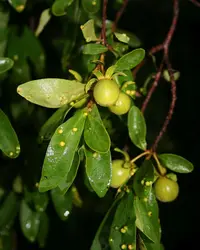
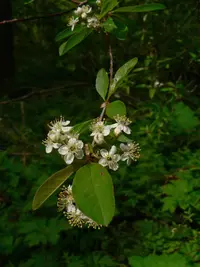
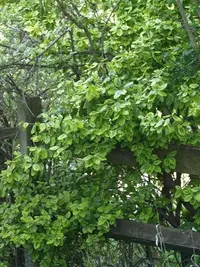
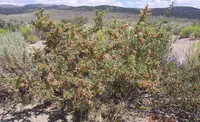
Desert peach, Prunus andersonii, is a deciduous shrub native to arid regions of the western United States, especially Nevada and eastern California. It forms dense, twiggy thickets and typically stays low, with small gray-green leaves and showy pink spring blossoms.

The plant is adapted to dry, rocky slopes and sandy washes, where it tolerates intense sun, poor soils, and drought once established. These traits make it tough but slow-growing, and it dislikes heavy or waterlogged ground.

Because it is specialized for desert conditions, it can be challenging outside similar climates. Those who want to learn how to care for desert peach should focus on providing strong light, sharp drainage, and minimal summer watering.

Main Plant Requirements

Care Difficulty

Moderate Care

Light Preference

Full Sun

Water Requirements

Low Water

Temperature Preference

Cold Hardy

Hardiness Zone

4–8

Soil Texture

Sandy, Loamy, Rocky

Soil pH

Slightly acidic (6.5–7.0), Neutral (7.0)

Soil Drainage

Well-drained

Fertilization

Minimal (feed rarely)

Get Personalized Care Plan

Scan your plant to receive care tips personalized for your specific plant

Available on iOS and Android

How to Care for the desert peach

This shrub from arid regions thrives in strong, direct sun when established outdoors.

  • Provide 6–10 hours of full sun daily; open, south- or west-facing exposures are ideal for flowering and dense growth.
  • Young plants benefit from light afternoon shade in very hot climates to reduce leaf scorch and transplant stress.
  • Desert peach tolerates some bright, open shade for a few hours, but prolonged low light leads to weak, leggy shoots and fewer blooms.

This drought-adapted shrub prefers deep, infrequent watering once established.

  • In the ground, water only when the top 5–8 cm of soil are completely dry; soak deeply, then let the soil dry out again.
  • During the first 1–2 growing seasons, increase frequency slightly in hot, rainless periods, then reduce once roots are established.
  • Ensure fast-draining, gritty soil; yellowing, soft leaves and dieback suggest overwatering, while shriveling new shoots indicate prolonged drought stress.

This species is adapted to continental desert climates with hot summers and cold winters.

  • Active growth and flowering are best at 65–85°F (18–29°C) during spring and early summer, with low humidity conditions.
  • Mature plants tolerate winter lows around 0°F (−18°C) once hardened, making them suitable for many cold-winter regions.
  • Summer heat up to 100–105°F (38–41°C) is tolerated if soil drains well; sudden hard frosts after warm spells can damage tender new growth on Prunus andersonii.

This species is highly adapted to arid climates and typically does not require managed humidity.

Prunus andersonii thrives in very well-drained, mineral soils that mimic desert or scrub habitats.

  • Use sandy or gravelly soil with low to moderate organic matter to prevent water retention around the roots.
  • Ensure sharp drainage by blending coarse sand or fine gravel into a lean, loamy base, avoiding dense, water-holding mixes.
  • Aim for slightly acidic to neutral pH around 6.0–7.5; do not amend heavily with peat or rich compost.
  • Avoid compacted clay or sites where water lingers after rain, as poor aeration quickly leads to root decline.

This shrub can be grown in containers only short term or in specialized collections, as it is better suited to open ground.

  • Select a deep, heavy container that anchors the plant and accommodates its developing woody root system without tipping.
  • Fill the pot with a lean, sandy-gravel mix so water drains through within minutes rather than pooling near the base.
  • Position the container in full sun with excellent air flow, since shaded or sheltered placements increase moisture stress and root issues.

Prunus andersonii is adapted to very poor, dry soils and usually needs little or no fertilizer in home landscapes.

  • In extremely depleted soils, apply a light topdressing of coarse compost in early spring, keeping it away from the trunk base.
  • If using fertilizer, choose a low-dose, balanced NPK product and apply at 1/2 strength once in early spring only.
  • Avoid summer and fall feeding to prevent soft growth that is vulnerable to winter injury and drought stress.
  • Do not fertilize newly planted or stressed shrubs until they show clear signs of recovery and new growth.

Prunus andersonii benefits from light, targeted pruning to maintain health and natural form.

  • Time pruning for late winter to very early spring, before buds swell, so cuts heal as growth resumes.
  • Remove dead, damaged, or crossing branches first, cutting back to healthy wood with clean, sharp bypass pruners.
  • Thin congested interior shoots to improve airflow and light penetration, which supports flowering and reduces disease risk.
  • Limit shaping cuts to minor tip trims so the shrub keeps its natural desert outline and drought-adapted structure.

This desert shrub is rarely kept long term in containers; focus on careful outdoor transplanting instead of frequent repotting.

  • Transplant young plants in late fall or very early spring, when soil is workable and air temperatures are cool.
  • Look for signs such as roots circling the container, slow growth, or quick drying soil as indicators a nursery plant needs a larger hole.
  • Prepare a wide, shallow planting hole in well-drained, gritty soil and keep the root flare at soil level.
  • Water deeply right after planting, then taper watering to encourage deep rooting and reduce long-term transplant stress.

Prunus andersonii is most often propagated from seed, which suits its adaptation to harsh desert habitats.

  • Collect ripe fruits in late summer to early fall, remove the flesh, and clean the stones thoroughly.
  • Provide cold stratification at 34–41°F for 60–90 days in barely moist medium to break seed dormancy.
  • Sow stratified seeds in deep containers with very well-drained, sandy substrate and keep slightly moist, not wet.
  • Position seedlings in full sun with good airflow and transplant outdoors only after they form sturdy, woody stems.

This species is naturally cold hardy in its native range and generally needs minimal winter care in the ground.

  • Mature plants tolerate substantial frost once established, provided soil drains very well and does not stay saturated.
  • Apply a light gravel or coarse organic mulch around, not against, the base to moderate soil temperature and limit heaving.
  • For container plants, move pots to an unheated but sheltered location and ensure drainage holes remain open through winter.

Care Tips

Rodent and Deer Protection

Install low hardware cloth cages or a staked wire cylinder around young shrubs to protect the bark and buds from rabbits and deer, especially in winter and early spring when other forage is scarce.

Cold-Season Root Care

In very cold, exposed sites, apply a light, coarse gravel or decomposed granite mulch in a 5–8 cm band over the root zone to buffer rapid freeze–thaw cycles without trapping excess moisture against the crown.

Low-Input Weed Control

Keep a 45–60 cm weed-free zone around the plant using shallow hand hoeing or a coarse, inorganic mulch so that grasses and aggressive annuals do not outcompete roots for limited desert moisture.

Flower and Fruit Monitoring

Observe bloom and fruit set each year; a sudden drop in flowering or fruiting often indicates stress from browsing, root disturbance, or unusually dry winters rather than a nutrient deficiency.

Site-Adaptive Training

In windy or high-traffic areas, selectively shorten the longest, most exposed shoots after flowering to encourage a lower, more compact form that resists breakage and makes caring for desert peach easier over time.

Common Pests and Diseases

Peach twig borer

This pest tunnels into young shoots and small fruiting structures, causing tip dieback and flagged, wilted shoots on stressed shrubs. Symptoms include hollowed stems with frass (sawdust-like droppings) and occasional damage to any developing fruits or seed structures.

Solution

Prune out and destroy infested shoot tips as soon as wilting or flagging appears, cutting several cm below visible damage. Encourage natural predators, avoid unnecessary nitrogen fertilization, and, if populations are high, time a targeted treatment with a biological insecticide containing Bacillus thuringiensis (Bt) to coincide with young larval activity in late spring.

Peach twig canker

This disease causes sunken, discolored cankers on twigs and small branches, often following mechanical damage or borer injury. Symptoms include oozing gum, rough bark patches, and progressive dieback of affected stems on Prunus andersonii in harsh desert conditions.

Solution

Prune out cankered twigs during dry weather, cutting at least 10–15 cm below visible symptoms and disinfecting tools between cuts with 70% alcohol. Improve plant vigor by avoiding overwatering, maintaining good air circulation around the shrub, and removing nearby dead Prunus wood that can harbor the pathogen.

Shot hole disease

This disease creates small purple or brown leaf spots that dry out and fall away, leaving clean round holes that resemble insect feeding. Symptoms include premature leaf drop on stressed plants after cool, wet spring periods or overhead irrigation.

Solution

Remove and dispose of heavily spotted or fallen leaves to reduce the source of infection. Reduce leaf wetness by using drip irrigation, watering early in the day, and improving spacing and airflow; in recurrent severe cases, apply a copper-based fungicide as a preventive spray during leaf-out, following local label directions for stone fruits.

Scale insects

These insects attach to stems and sometimes leaves as small, domed or flat bumps, sucking sap and weakening desert peach shrubs. Symptoms include sticky honeydew, sooty mold growth, and gradual decline, especially in plants already stressed by drought or heat.

Solution

Gently scrub small infestations from stems with a soft brush and soapy water, then rinse. For larger populations, use a horticultural oil spray during the dormant season or early spring to smother overwintering scales, and avoid excessive fertilizer that promotes tender, susceptible growth.

Interesting Facts

Desert peach shrublands

This species often forms low, dense shrub thickets in the Great Basin and eastern Sierra Nevada foothills, where it can dominate large patches of arid slopes and alluvial fans.

Early spring flowering

It typically flowers very early in spring, often before leaf-out, providing one of the first significant nectar and pollen sources for native bees in high-desert habitats.

Drought and cold adapted

The plant is adapted to both dry soils and cold winters, tolerating high desert conditions with low precipitation and substantial temperature swings across seasons.

Botan icon

Did you know?

Desert peach is considered an important wildlife plant in its native range, with its dense, thorny branches offering protective cover for small birds and mammals and its small, bitter fruits used as food by various native animals.

FAQs about desert peach

Lack of flowers usually comes from too much water, rich fertilizer, or shade. This shrub blooms best after cool winters, full sun, and lean, well-drained soil. Avoid heavy pruning of young wood that would carry buds.

Grow Healthy Plants with Botan Care

Keep your plants happy and healthy with plant identification, disease detection, and easy care guidance.

Botan plant care app — identify plants on mobile

Explore More Plants