Renewal pruning cycle
Every 3–4 years, remove about one-third of the oldest stems at ground level in late winter to keep the shrub compact and encourage strong new flowering shoots.

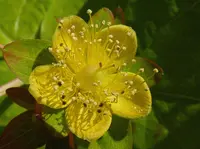
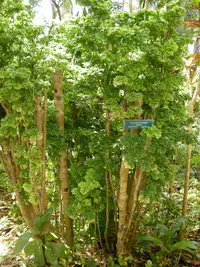
Tall tutsan, Hypericum × inodorum, is a compact deciduous shrub valued for its bright summer flowers and long-lasting ornamental berries. It typically forms a rounded, bushy shape with dense, glossy foliage.
In gardens it is used for borders, low hedges, and wildlife-friendly plantings, since its flowers attract pollinators. Tall tutsan is generally easy to grow, adapting well to many garden soils and coping with light pruning.
It thrives in sun to light shade with moderately moist, well-drained soil. Understanding how to care for tall tutsan helps it stay dense, floriferous, and healthy over many years.

Care Difficulty
Easy Care

Light Preference
Full Sun

Water Requirements
Moderate Water

Temperature Preference
Cold Hardy

Hardiness Zone
6–9

Soil Texture
Sandy, Loamy, Clay

Soil pH
Acidic (5.5–6.5), Slightly acidic (6.5–7.0)

Soil Drainage
Moist but well-drained

Fertilization
Minimal (feed rarely)
Scan your plant to receive care tips personalized for your specific plant
Available on iOS and Android
Hypericum × inodorum grows best in bright outdoor conditions with some protection from harsh midday sun.
Hypericum × inodorum prefers evenly moist, well-drained soil that is allowed to dry slightly between waterings.
This shrub is generally hardy outdoors and tolerates a wide range of garden temperatures when established.
This shrub handles typical outdoor humidity well and rarely needs special adjustment.
This species prefers freely draining, moderately fertile soil that does not stay waterlogged.
This shrub is suitable for container growing when the pot and substrate are chosen for stability and drainage.
Hypericum × inodorum benefits from light feeding but performs well in reasonably fertile garden soil.
Pruning supports compact growth and consistent flowering on Hypericum × inodorum.
This shrub is most often grown in the ground, so focus on thoughtful planting and occasional transplanting rather than frequent repotting.
Gardeners commonly renew plantings of tall tutsan through vegetative methods rather than seed.
In most temperate regions this shrub is reliably hardy and needs only modest winter care.

Plant Health Check
Not sure what's wrong with your plant? Check your plant's health inside the app.
This ornamental shrub is a complex hybrid derived mainly from Hypericum androsaemum and related species, bred specifically in Europe for its decorative fruit rather than for wild habitat performance.
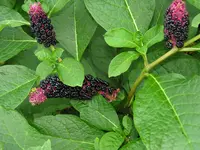
Although its yellow flowers are often only lightly scented or effectively scentless, the plant sets showy berries in red, pink, or near-black tones that are widely used in the cut-flower trade as a filler in bouquets.
Plants often flower from early summer into fall, while earlier flowers have already developed into colored berries, so the shrub can display flowers and fruit at the same time, extending its decorative value in mixed borders and hedges.

Some modern ornamental selections of this hybrid, such as compact berry-heavy cultivars, were developed specifically for commercial floristry, where stems are harvested primarily for their dense, colored fruit clusters rather than for the flowers themselves.
Lack of flowers usually comes from pruning at the wrong time, excessive shade, or nutrient imbalance with high nitrogen. Prune lightly right after flowering, ensure enough light, and use a balanced fertilizer to support bud formation.
Keep your plants happy and healthy with plant identification, disease detection, and easy care guidance.