dahoon Care (Ilex cassine)

Also known as: dahoon holly, Cassine, Cassena Holly
dahoon

About dahoon

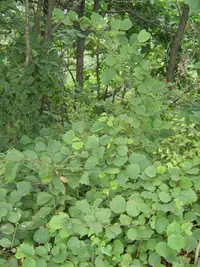
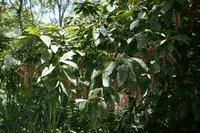
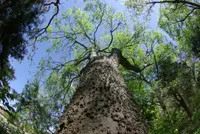
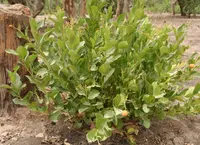
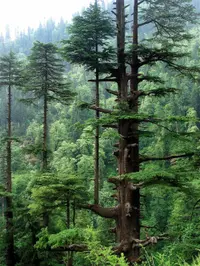
Dahoon (Ilex cassine) is an evergreen holly shrub or small tree native to wetlands and coastal areas of the southeastern United States. It often grows with a single trunk and a rounded, upright crown.

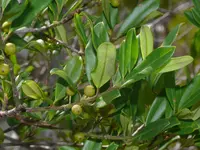
The plant has glossy, narrow leaves and produces small white flowers followed by bright red berries that attract birds. It tolerates wet soils, salt spray, and seasonal flooding, which makes it adaptable in many landscapes.

In gardens, dahoon suits naturalistic plantings, screens, and wildlife-friendly sites. It prefers sun to light shade and consistently moist, acidic soil, and these traits guide how to care for dahoon.

Main Plant Requirements

Care Difficulty

Moderate Care

Light Preference

Full Sun

Water Requirements

Regular Water

Temperature Preference

Warm Climate

Hardiness Zone

7–10

Soil Texture

Sandy, Loamy, Organic-rich

Soil pH

Strongly acidic (4.5–5.5), Acidic (5.5–6.5)

Soil Drainage

Moist but well-drained

Fertilization

Minimal (feed rarely)

Get Personalized Care Plan

Scan your plant to receive care tips personalized for your specific plant

Available on iOS and Android

How to Care for the dahoon

Ilex cassine prefers consistent light that mimics its native coastal and wetland habitats.

  • Provide 4–6 hours of sun daily, with morning sun and light afternoon shade ideal, or bright dappled light under taller trees.
  • Tolerates partial shade, but dense shade reduces flowering and berry production; choose at least bright, open shade for best performance.
  • In hot summers, protect from intense late-afternoon sun to avoid leaf scorch, especially in dry or exposed sites; adjust placement if leaves yellow or crisp.

This holly is naturally adapted to moist sites, so soil moisture management is critical for healthy growth.

  • Maintain evenly moist soil, allowing only the top 2–3 cm to dry between rains or irrigations, especially during the first 1–2 growing seasons.
  • Use deep, slow watering to wet the root zone 15–30 cm down, then allow slight drying; avoid constantly saturated, stagnant soil to prevent root rot.
  • Reduce supplemental watering in cool, rainy seasons; increase during hot, dry spells if leaves droop, curl, or brown at the edges, which signal drought stress.

This species is a warm-temperate to subtropical holly with good heat tolerance and moderate cold hardiness.

  • Best growth occurs around 65–85°F (18–29°C); young plants establish fastest when extreme heat or cold is avoided during the first year.
  • Mature plants typically tolerate drops to about 10–15°F (-12 to -9°C), though brief dips below can damage new growth, flowers, and berries.
  • Handles summer highs up to 95°F (35°C) if soil stays moist; mulch roots and avoid reflected heat from pavement to reduce stress and leaf scorch.

Ilex cassine prefers consistently moist air but usually adapts to typical outdoor humidity in much of its range.

  • Aim for 40–60% humidity in garden or patio settings, as dahoon naturally grows in moderately humid to wet habitats.
  • Leaves curling inward or browning at the edges can indicate humidity stress combined with dry soil or wind exposure.
  • Increase local humidity by mulching the root zone, grouping plants near other shrubs, or positioning it away from drying reflected heat.

Ilex cassine grows best in consistently moist, slightly acidic, well-aerated soil that does not stay waterlogged.

  • Use a loamy or sandy-loam structure with high organic matter, such as garden loam mixed with composted bark or leaf mold.
  • Aim for slightly acidic pH around 5.0–6.5, avoiding strongly alkaline soils that can cause nutrient lockout and leaf chlorosis.
  • Improve drainage and aeration by incorporating coarse sand or fine pine bark, especially in heavier clay-based locations.
  • Avoid compacted or poorly drained spots; standing water around the roots for more than 24 hours greatly increases the risk of root rot.

This species can be grown in containers, especially when young or maintained as a smaller specimen shrub.

  • Choose a deep, heavy container that resists tipping, since the plant develops a tall, woody framework and can become top-heavy in wind.
  • Select a potting mix that drains freely but holds moisture, such as shrub or tree mix amended with pine bark and a small portion of coarse sand.
  • Place the container where runoff can drain away quickly, preventing standing water around the base that would keep the lowest drainage holes submerged.

Ilex cassine benefits from modest, carefully timed feeding to support steady growth and berry production.

  • Use a slow-release, balanced NPK shrub or tree fertilizer, or a thin layer of compost over the root zone.
  • Apply once in early spring and again in mid-summer for young or container plants; mature in-ground trees often need less.
  • Dilute liquid feeds to 1/2 strength if used, ensuring the soil is moist beforehand to avoid root burn.
  • Reduce or stop feeding in late fall and winter when growth slows, focusing instead on watering and mulch management.

Pruning Ilex cassine keeps the canopy healthy and maintains a strong, attractive structure.

  • Carry out structural pruning in late winter to early spring before new growth begins.
  • Remove dead, diseased, crossing, or inward-growing branches with clean, sharp bypass pruners or loppers.
  • Thin crowded interior shoots to improve light penetration and airflow, which lowers disease risk.
  • Shorten overly long shoots selectively to guide height and width without shearing the plant into harsh shapes.

Dahoon is usually grown in the ground, so transplanting young trees correctly is more important than frequent repotting.

  • Look for circling roots, a pot-bound root ball, or slowed growth as signs a container-grown plant needs more space.
  • Plan transplanting or upsizing for late winter to early spring, aiming for 2–3 year intervals for container specimens.
  • Move the plant with an intact root ball, keep roots shaded and moist, and replant at the same soil depth as before.
  • Water thoroughly after planting, apply 5–8 cm of mulch around (not touching) the trunk, and keep soil evenly moist to limit transplant shock.

Ilex cassine is commonly propagated from semi-hardwood cuttings or seed, though both methods require patience.

  • Take semi-hardwood cuttings in late summer, 8–12 cm long, and remove lower leaves before treating with rooting hormone.
  • Insert cuttings in a well-drained, sterile medium and maintain high humidity and bottom warmth around 70–75°F.
  • Harvest ripe berries in fall, clean the seeds, and provide cold stratification to improve germination.
  • Sow seeds in a free-draining mix, keep evenly moist, and expect slow, staggered germination over many months.

Ilex cassine is generally cold hardy in mild to warm climates and usually needs minimal winter care.

  • In regions near its hardiness limit, add 5–8 cm of organic mulch over the root zone for insulation.
  • Water during dry winter spells so the root ball does not dry out, especially in windy sites.
  • Move container-grown plants into a sheltered, frost-free but bright area if prolonged freezes are expected.

Care Tips

Salt tolerance management

In coastal sites, periodically leach soil by deep watering after storm events to wash excess salt below the root zone and reduce long‑term salt stress on roots and foliage.

Wildlife-friendly spacing

When planting multiple shrubs or trees, space them 1.8–3 m apart to form a dense canopy that supports birds while still allowing airflow that reduces fungal disease pressure.

Selective canopy lifting

On landscape specimens, remove only the lowest crossing or shaded interior branches over several years to slowly lift the canopy without shocking the tree or exposing inner bark to sudden full sun.

Fruit set optimization

Ensure at least 1 male plant is sited within 6–9 m of every 4–6 female plants and avoid heavy pruning in late spring so that flowers remain for good berry production.

Wind and storm anchoring

In windy or hurricane‑prone areas, stake young trees for only the first 6–12 months and gradually remove ties so roots develop strong anchorage rather than relying on permanent supports when growing dahoon.

Common Pests and Diseases

Tea scale

This pest is a common armored scale on dahoon holly, causing yellow stippling on leaves, thinning foliage, and sooty mold growth from associated honeydew. Symptoms include leaves that look pale or speckled and small, flattened, shell-like bumps on the undersides of leaves and young stems.

Solution

Prune out and dispose of heavily infested twigs, then rinse foliage thoroughly with a strong stream of water to knock off crawlers and expose adults. For ongoing Ilex cassine care, use horticultural oil or insecticidal soap directed to leaf undersides during the crawler stage, and reduce plant stress with proper watering and mulching to increase natural resistance and support beneficial insects.

Southern red mite

These insects feed on the undersides of leaves, causing bronzing, stippling, and in heavy infestations partial defoliation. This pest is more severe in cooler seasons and on plants grown in shade or under stress.

Solution

Rinse foliage thoroughly with water, especially leaf undersides, to remove mites and dust, and repeat several times at weekly intervals. If needed, apply horticultural oil or insecticidal soap in cool weather, improve light and airflow, and avoid excessive nitrogen fertilizer, which can increase mite problems.

Holly leaf miner

These insects create winding, pale tunnels inside leaves as larvae feed between leaf surfaces. Symptoms include distorted, blistered, or serpentine mines and premature leaf drop on heavily affected branches.

Solution

Hand-remove and destroy mined leaves as soon as they are noticed to reduce the next generation of adults. For established ornamental plantings, focus on good overall plant vigor with regular watering and mulching, and if infestations are severe, consult local extension recommendations for timing a systemic insect treatment when adults are active.

Tar spot

This disease causes raised, black, tar-like spots on the upper surfaces of leaves, often surrounded by a yellow halo. Symptoms include cosmetic spotting and premature shedding of some leaves, but usually little long-term damage to established plants.

Solution

Rake and discard fallen leaves in autumn to remove the main source of spores and reduce infections the following year. Improve air circulation by thinning crowded branches and avoid overhead irrigation where possible, especially late in the day, to keep foliage drier.

Leaf spot

This disease group, often caused by fungi such as Cercospora and Phyllosticta, leads to small brown, tan, or purple spots that may merge into larger blotches, sometimes with yellowing and early leaf drop. Symptoms include scattered spotting on older leaves first, especially in humid or shaded conditions.

Solution

Remove and dispose of heavily spotted leaves from the plant and ground to lower inoculum, and avoid wetting foliage during irrigation. Improve sun exposure and airflow where possible, and in severe, recurring cases consider a labeled ornamental fungicide applied according to local extension guidance, focusing on new growth in spring.

Interesting Facts

Coastal wetland specialist

This species is naturally adapted to wet, acidic soils and is common in coastal swamps, marsh edges, and wet pine flatwoods throughout the southeastern United States.

Food source for birds

Its bright red drupes are an important late-fall and winter food source for many bird species, including robins and cedar waxwings, which help spread the seeds.

Dioecious holly shrub

Plants are either male or female, so only female individuals produce fruit, and only when a compatible male plant is nearby to provide pollen.

Botan icon

Did you know?

Ilex cassine is one of the holly species historically used by Indigenous peoples of the southeastern United States to prepare the ceremonial black drink, a caffeinated beverage made by roasting and boiling the leaves and twigs.

FAQs about dahoon

Growth is moderate. In suitable outdoor conditions, this shrub or small tree usually adds about 20–30 cm of height per year, sometimes more when young, with growth slowing as it approaches its mature size.

Grow Healthy Plants with Botan Care

Keep your plants happy and healthy with plant identification, disease detection, and easy care guidance.

Botan plant care app — identify plants on mobile

Explore More Plants